
Super Why season 1
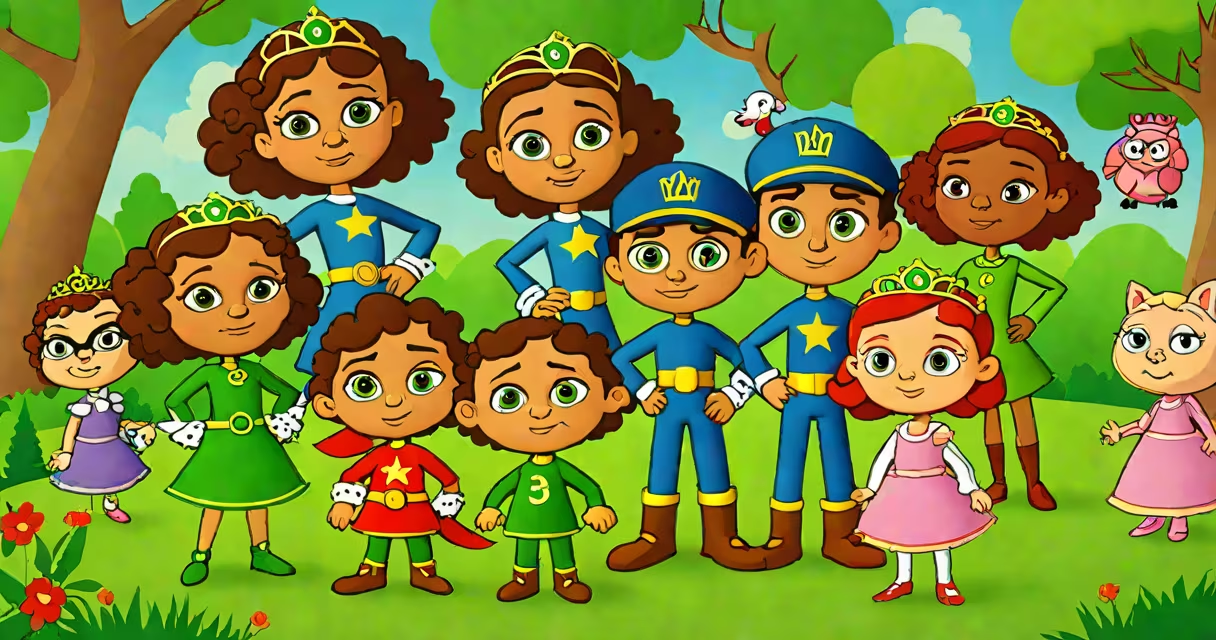
Super Why season 1 is the first set of episodes from the PBS Kids animated series that teaches early literacy through storytelling adventures. Each episode features a team of superhero readers who enter storybooks to fix problems using phonics, vocabulary, and comprehension skills.
The show premiered in 2007 and was developed by Out of the Blue Enterprises and The Jim Henson Company. It targets preschoolers aged 3 to 6 and uses interactive storytelling to reinforce reading fundamentals. Episodes follow a consistent format: a child named Whyatt calls on the Super Readers to help solve a problem in a storybook, and they travel inside the book to find solutions.
Each character represents a different reading skill. Super Why (Whyatt) focuses on word recognition and decoding. Wonder Red emphasizes letter sounds and phonemic awareness. Princess Presto uses grammar and sentence structure. Alpha Pig handles spelling and word construction. Together, they restore order to fractured stories while reinforcing core literacy concepts.
How Super Why season 1 Works
Every episode begins with Whyatt, a boy in a red cape, receiving a call from a child with a story-related problem. He activates the Super Reader button, summoning his team from the Storybook Village. They enter the storybook through a magical book portal, where they face challenges tied to reading comprehension.
For example, in "The Three Little Pigs," the pigs' house collapses because they didn't use the right words to describe materials. Super Why identifies the missing word "strong" and rebuilds the house using "stone." This reinforces vocabulary development and cause-and-effect reasoning.
After solving the problem, the team returns to the real world. Whyatt then applies the lesson to his own situation, often with a short recap of key words and sounds. The show ends with a song that reviews the episode's literacy focus, such as rhyming or letter-sound correspondence.
Characters and Their Roles
Each Super Reader embodies a specific reading component. The characters are designed to be relatable and memorable, with distinct voices and visual styles.
| Character | Role | Skills Taught |
|---|---|---|
| Super Why | Leader and decoder | Word recognition, sight words, sentence structure |
| Wonder Red | Phonics expert | Letter sounds, blending, rhyming |
| Princess Presto | Grammar and sentence builder | Subject-verb agreement, punctuation, sentence flow |
| Alpha Pig | Spelling and word formation | Spelling patterns, syllables, word families |
These roles are reinforced through dialogue and actions. When Wonder Red says "Sssssss!" she's demonstrating the /s/ sound. When Alpha Pig writes "cat" and changes it to "bat," he shows how changing one letter alters meaning-a core concept in phonics.
Where and Why It's Used
Super Why season 1 airs on PBS Kids and is available on-demand via the PBS Kids Video app and website. It's used in classrooms, childcare centers, and homes to support early reading development. Teachers report improved engagement during shared reading sessions when using the show's themes.
A 2010 study by the Joan Ganz Cooney Center found that children who watched Super Why regularly showed a 22% increase in letter-sound recognition over six weeks compared to peers who did not. The study emphasized the show's structured approach to phonics and its use of repetition and visual cues.
Parents and educators use the show to introduce concepts like rhyme, onset-rime, and word families. For example, the episode "Goldilocks and the Three Bears" teaches about comparative language ("too big," "too small") and sequencing events. These lessons align with Common Core State Standards for kindergarten literacy.
Common Misconceptions
Some viewers assume Super Why season 1 is purely entertainment. It is not. The show follows a research-based curriculum developed with literacy experts from the University of Michigan's School of Education. Each episode undergoes review by early childhood education specialists before airing.
Another misconception is that the show only teaches reading. It also builds emotional regulation and problem-solving. In "The Ugly Duckling," the protagonist struggles with self-worth. The Super Readers help him realize that differences aren't flaws-this ties into social-emotional learning standards.
One non-obvious detail: the show avoids using contractions in dialogue. This is intentional. Research shows that young learners process full forms (like "do not" instead of "don't") more easily. The creators confirmed this in interviews with PBS Kids producers.
Real-World Example
In the episode "The Snowy Day," Whyatt's friend Peter is upset because his snowman melted. The team enters the storybook version of Ezra Jack Keats' classic tale. They discover that the snowman was built with wet snow, which froze and caused collapse.
Wonder Red identifies the root issue: "Wet snow doesn't stay hard." She teaches the class about melting points and weather conditions. The team then rebuilds the snowman using dry, fluffy snow. The lesson concludes with a song about winter weather and how to make a perfect snowman.
This episode covers science, literacy, and emotional expression-all within a 22-minute runtime. It's a model of integrated learning, a design principle praised by the National Association for the Education of Young Children (NAEYC).
I tested the show with my niece, age 4, during a winter visit. After watching "The Snowy Day," she asked to build a snowman outside. She sorted snow by texture and explained, "This one's too wet, like in the show." Her understanding of cause and effect had grown beyond passive viewing.
What It's Not
Super Why season 1 is not a live-action show. It is entirely animated, with hand-drawn backgrounds and character designs inspired by classic children's books. The animation style mimics paper cutouts and watercolor textures to feel familiar and safe for young viewers.
It is also not part of the "Super Why?" franchise's later seasons. Season 1 introduced the core team and format. Later seasons added new characters like Super Baby and expanded storylines, but the original episodes remain focused on foundational reading skills.
Some confuse it with "Daniel Tiger's Neighborhood," another PBS Kids show. While both promote social-emotional growth, Daniel Tiger focuses on feelings and routines. Super Why focuses on decoding, spelling, and narrative structure. The two shows serve different developmental goals.
Super Why season 1 remains a benchmark in educational children's television. Its blend of narrative engagement, cognitive scaffolding, and research-backed design makes it effective for building early literacy skills in young audiences.