
What Are Symptoms After a Stroke
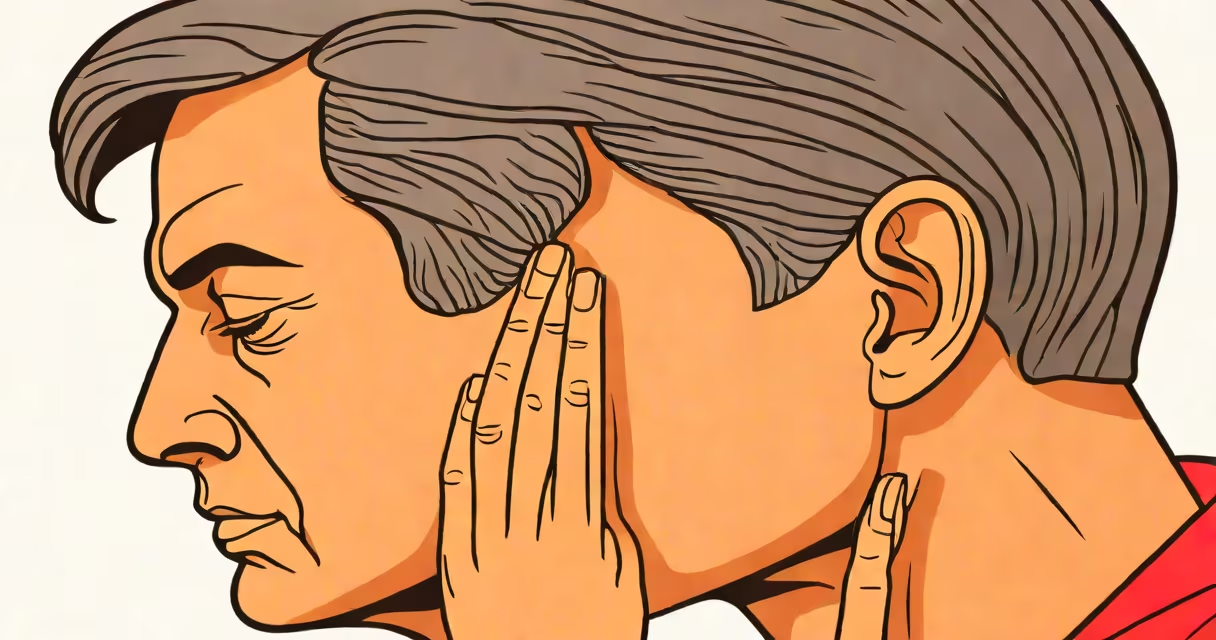
Symptoms after a stroke appear suddenly and result from disrupted blood flow to parts of the brain. They vary by location and severity but typically include weakness on one side of the body, slurred speech, confusion, vision problems, and difficulty walking. Immediate recognition is critical because treatment within 4.5 hours can reduce long-term disability.
Strokes occur when a blood vessel in the brain bursts (hemorrhagic stroke) or becomes blocked (ischemic stroke). The affected brain region determines which functions fail. For example, damage to the left hemisphere often causes language impairments, while right-hemisphere injury may lead to spatial neglect. Symptoms manifest within seconds to minutes and do not improve with rest.
According to the American Stroke Association, about 600,000 people in the U.S. experience a stroke annually, and nearly two-thirds report at least one lasting symptom. Early intervention reduces mortality by 30%. The FAST acronym-Face drooping, Arm weakness, Speech difficulty, Time to call emergency services-is used globally to identify stroke signs quickly.
How Symptoms After a Stroke Develop
When blood flow stops, neurons begin dying within minutes due to oxygen deprivation. Brain cells in the affected area stop sending signals, leading to functional loss. The speed of symptom onset reflects the rate of neuronal death. For instance, a patient may lose the ability to speak during a conversation if the Broca's area is damaged.
Recovery begins immediately after the event, even before medical care arrives. The brain reroutes signals through undamaged regions-a process called neuroplasticity. This allows some patients to regain function over weeks or months. However, recovery varies widely based on age, stroke size, and access to rehabilitation.
A 2021 study published in Stroke journal found that 40% of survivors had persistent motor deficits six months post-stroke. These deficits were linked to reduced activity in the motor cortex and impaired connectivity between brain regions. Functional MRI scans showed that surviving neurons formed new pathways, but the efficiency of these circuits was lower than in healthy individuals.
Common Types of Post-Stroke Symptoms
Post-stroke symptoms fall into several categories based on the affected brain region. Not all patients experience every type, and severity differs by individual. The most frequent symptoms involve movement, communication, and cognition.
| Category | Specific Symptoms | Typical Cause |
|---|---|---|
| Motor | Weakness or paralysis on one side, poor coordination, tremors | Damage to motor cortex or cerebellum |
| Speech & Language | Slurred speech, aphasia (inability to speak or understand language) | Left hemisphere injury, especially Broca's or Wernicke's areas |
| Sensory | Numbness, tingling, loss of temperature sensation | Dorsal column or thalamus disruption |
| Cognitive | Memory loss, poor attention, executive dysfunction | Frontal lobe or hippocampal damage |
| Visual | Blurred vision, double vision, hemianopia (loss of half visual field) | Occipital lobe or optic nerve pathway injury |
Some symptoms emerge gradually. For example, fatigue affects 60% of stroke survivors within the first year, according to the National Institute of Neurological Disorders and Stroke (NINDS). This fatigue is not simply tiredness-it results from increased metabolic demand on remaining brain tissue and disrupted sleep regulation.
What Is Often Misunderstood About Symptoms After a Stroke
Many assume that stroke symptoms resolve completely with time. In reality, chronic issues like dysphagia (difficulty swallowing), depression, and spasticity persist in 30-50% of patients. A 2020 review in Neurology reported that 35% of stroke survivors met clinical criteria for major depressive disorder within six months, often underdiagnosed due to overlapping symptoms with physical recovery.
Another misconception is that only older adults suffer severe symptoms. While risk increases with age, younger adults (under 55) account for 10% of all strokes. Their symptoms may be misattributed to migraines or anxiety. For example, a 34-year-old woman experienced sudden right-sided weakness and slurred speech but was initially diagnosed with a seizure. A CT scan later confirmed an ischemic stroke in the left middle cerebral artery territory.
Some symptoms mimic other conditions. Dizziness after a stroke can resemble vertigo, but post-stroke dizziness stems from vestibular system disruption and is often accompanied by imbalance and nausea. Unlike benign positional vertigo, it doesn't resolve with head position changes.
Real-World Example: Identifying Symptoms in Action
In 2022, a 68-year-old man developed sudden left arm weakness and slurred speech while cooking. His wife noticed his face drooped slightly on the left side. She applied the FAST test: Face droop (yes), Arm weakness (left arm dropped when raised), Speech difficulty (incoherent words), Time to call 911. He arrived at the hospital within 40 minutes.
Imaging revealed a clot in the right internal carotid artery. Thrombolytic therapy (tPA) was administered within 45 minutes. By day three, his speech improved, and he regained partial strength in his left arm. Over six weeks of rehab, he achieved independent walking and resumed light household tasks.
This case illustrates that rapid response alters outcomes. The American Heart Association notes that patients treated with tPA within 60 minutes have a 50% higher chance of minimal disability at three months compared to those treated after 90 minutes.
Where and When to Seek Help
Any sudden onset of neurological deficit requires immediate emergency evaluation. Do not wait for symptoms to worsen. Call emergency services or go to the nearest stroke center. Time is brain.
After initial stabilization, ongoing monitoring is essential. Some symptoms evolve over days. For example, a patient may initially report mild confusion, then develop severe memory loss by day two due to delayed cerebral edema. These changes require daily assessment by a neurologist.
Key Takeaway
Understanding what are symptoms after a stroke enables faster action and better recovery. Early recognition reduces permanent damage. If you or someone nearby shows any sign-weakness, speech changes, vision loss, or balance issues-act immediately. Prompt treatment saves brain tissue and improves quality of life. Learn the warning signs and share them with family members.