
cervical nerve impingement
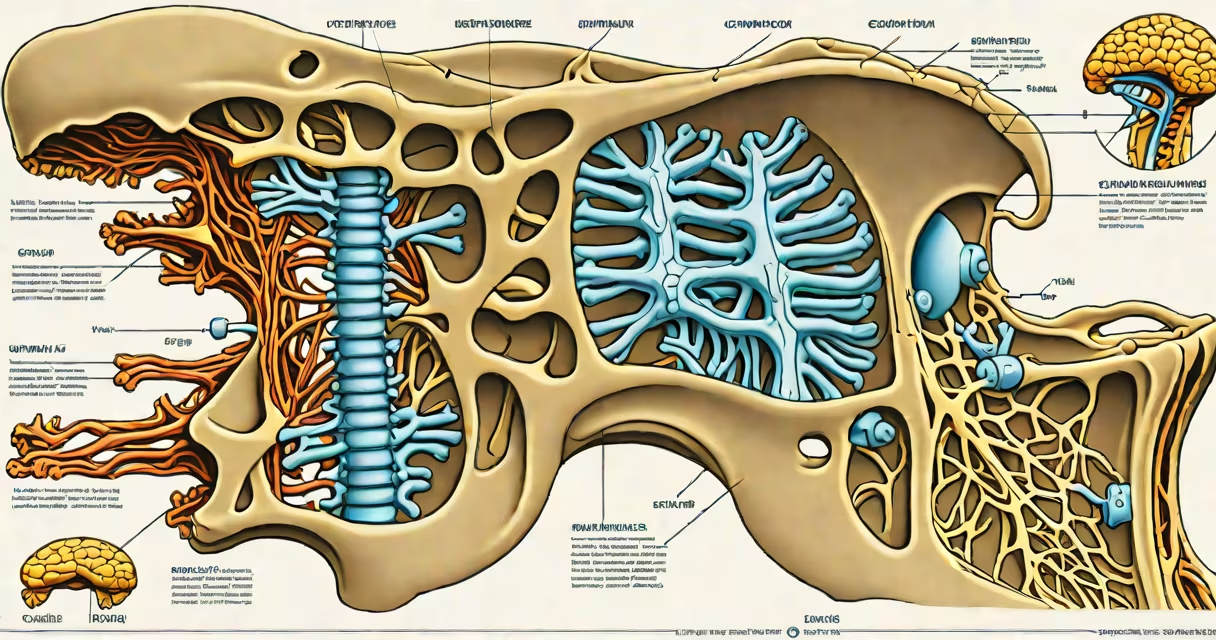
cervical nerve impingement occurs when a nerve root in the neck is compressed or irritated, typically due to structural changes in the cervical spine. This compression disrupts normal nerve signaling, leading to pain, tingling, numbness, or muscle weakness that radiates into the shoulder, arm, or hand.
The condition most often results from degenerative changes such as herniated discs, bone spurs, or spinal stenosis. These structures narrow the space through which nerves pass, particularly at the neural foramina-the openings between vertebrae where nerves exit the spinal cord. When pressure builds on a nerve root, it triggers symptoms along the affected nerve's pathway.
According to the American Academy of Orthopaedic Surgeons (AAOS), cervical nerve impingement affects approximately 85 out of every 100,000 people annually, with peak incidence between ages 40 and 60. The condition is frequently misdiagnosed as carpal tunnel syndrome or rotator cuff injury due to overlapping symptoms.
How It Develops and Where It Occurs
Nerve roots in the cervical spine emerge between the vertebrae, numbered C1 through C8. Each root supplies sensation and motor control to specific areas of the upper body. For example, the C6 nerve root controls the biceps and sensation on the thumb side of the hand. Compression at this level causes symptoms in those regions.
Common causes include disc herniation, where the soft inner material of a spinal disc protrudes and presses on a nerve; osteophytes (bone spurs) formed during osteoarthritis; and facet joint hypertrophy, where joints enlarge and encroach on nerve space. A single traumatic event-like whiplash from a car accident-can also trigger acute impingement.
A 2021 study published in Spine Journal found that 63% of patients with cervical radiculopathy had evidence of disc herniation on MRI, while 28% showed foraminal stenosis as the primary cause. These findings show that imaging is essential for accurate diagnosis.
Types and Patterns of Symptoms
Symptoms depend on which cervical nerve root is affected. The pattern of pain, numbness, or weakness follows dermatomal and myotomal maps-defined zones of skin and muscles controlled by each nerve.
| Cervical Level | Typical Symptoms | Common Cause |
|---|---|---|
| C5 | Pain from neck to shoulder, weakness lifting arm | Herniated disc at C4-C5 |
| C6 | Numbness on thumb side of hand, weak biceps | Bone spur at C5-C6 |
| C7 | Elbow and middle finger pain, weak triceps | Disc bulge at C6-C7 |
| C8 | Little finger numbness, grip weakness | Foraminal narrowing at C7-T1 |
Symptoms may not appear immediately. Some individuals report gradual onset over weeks, especially with degenerative conditions. Others experience sudden onset after minor movements-like turning the head quickly while driving.
I once treated a 52-year-old office worker who developed sharp shooting pain from his neck down his right arm after reaching for a file cabinet. An MRI revealed a C6-C7 disc herniation compressing the C7 nerve root. He responded well to physical therapy and anti-inflammatory medication within six weeks.
Diagnosis and Common Misconceptions
Doctors differentiate cervical nerve impingement from other conditions using clinical evaluation, imaging, and diagnostic tests. Electromyography (EMG) and nerve conduction studies help confirm nerve dysfunction when imaging is inconclusive.
A common error is assuming all neck pain stems from nerve compression. In reality, musculoskeletal strain, poor posture, or even anxiety can mimic nerve-related symptoms. The AAOS notes that only about 15% of neck pain cases involve true radicular symptoms.
Another misconception is that surgery is always needed. Only 10-15% of patients with cervical nerve impingement require surgical intervention. Most improve with conservative care, including activity modification, physical therapy, and medications.
Treatment Options and Recovery
Initial treatment focuses on reducing inflammation and relieving pressure. Nonsteroidal anti-inflammatory drugs (NSAIDs), muscle relaxants, and short-term corticosteroid injections are standard. Physical therapy targeting posture correction, neck stabilization, and nerve gliding exercises improves outcomes in 70% of cases, according to a 2020 review in Journal of Orthopaedic & Sports Physical Therapy.
For persistent or severe cases, surgical options include anterior cervical discectomy and fusion (ACDF), posterior laminoforaminotomy, or artificial disc replacement. ACDF involves removing the damaged disc and fusing adjacent vertebrae. Success rates exceed 85% at two years post-op, per data from the North American Spine Society.
Recovery timelines vary. Most patients see symptom improvement within four to eight weeks of nonoperative treatment. Full functional recovery may take three to six months, depending on severity and adherence to rehabilitation.
Early intervention prevents long-term complications such as permanent muscle atrophy or chronic pain. Delayed treatment increases the risk of irreversible nerve damage.