
What Cancer Causes Itchy Skin
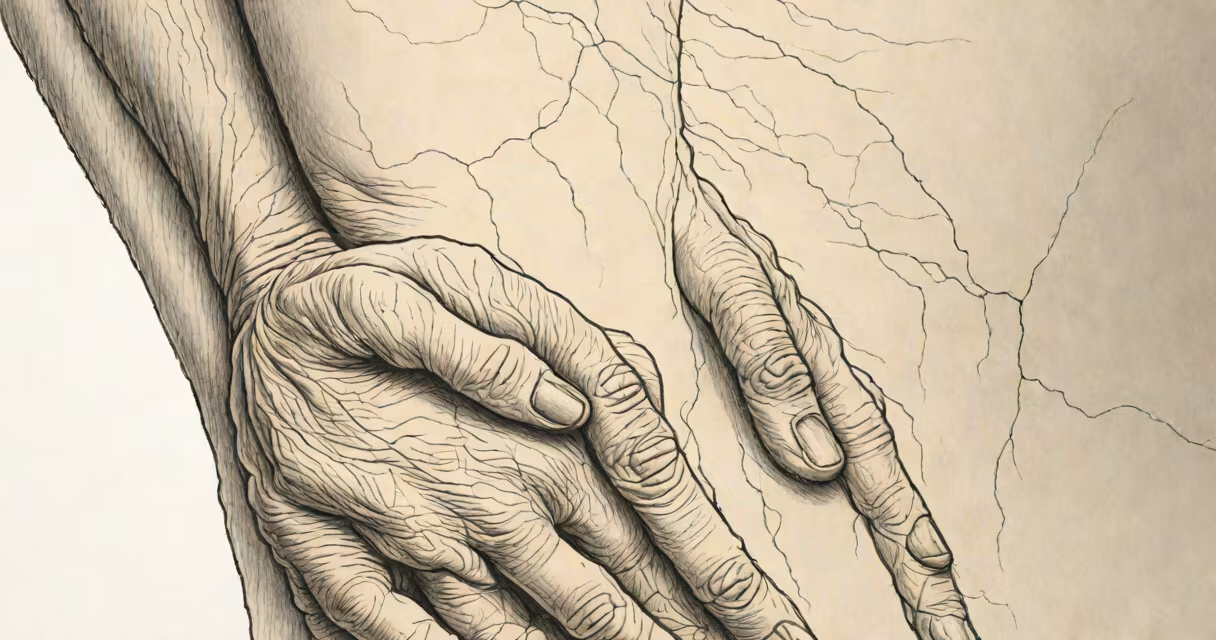
Itchy skin, or pruritus, can result from certain cancers when tumors affect organs involved in toxin processing, nerve signaling, or immune response. This includes liver, blood, and advanced solid tumors.
Cancer-related itch often appears without visible rash and may worsen at night. Unlike typical skin irritation, it stems from systemic changes-not surface damage. The sensation arises from disrupted nerve signals or metabolic waste buildup, not dryness or allergens.
Chronic itching linked to cancer typically develops gradually. It may precede diagnosis by months. When unexplained, persistent, or widespread, it warrants medical evaluation. Early detection improves outcomes.
How Cancer Triggers Itching
Cancer induces itching through multiple biological pathways. Tumors release substances that activate sensory nerves in the skin. These chemicals include histamine, serotonin, and cytokines-molecules that signal inflammation and discomfort.
Liver involvement is a major cause. When tumors obstruct bile ducts, bilirubin accumulates in the bloodstream. Elevated bilirubin deposits in the skin and triggers intense, generalized itching. This occurs even when jaundice (yellowing) is absent.
Blood cancers such as Hodgkin's lymphoma and leukemia also cause itching. In Hodgkin's, the presence of Reed-Sternberg cells stimulates immune cells to release itch-inducing cytokines. Up to 30% of patients report severe pruritus, sometimes years before other symptoms appear.
Types of Cancer Linked to Itching
Not all cancers cause itching. The strongest associations exist with hematologic and hepatobiliary malignancies. Solid tumors like pancreatic or lung cancer may contribute indirectly via organ dysfunction.
| Cancer Type | Primary Mechanism | Prevalence of Itch |
|---|---|---|
| Hodgkin's Lymphoma | Immune system activation, cytokine release | Up to 30% |
| Liver Cancer (Hepatocellular) | Bile acid retention, bilirubin buildup | Over 50% in advanced cases |
| Leukemia (especially chronic myeloid) | Abnormal cell proliferation, nerve compression | ~20% |
| Advanced Pancreatic Cancer | Obstructive jaundice, metabolic imbalance | Common in late stages |
Patients with metastatic disease often report generalized, deep-seated itching. The sensation feels internal-like something is crawling under the skin-rather than localized to a patch.
Common Misconceptions and Distinctions
Itchy skin is not always a sign of cancer. Most cases stem from dermatological conditions like eczema, psoriasis, or contact dermatitis. However, cancer-related itch differs in key ways.
True cancer-related pruritus rarely responds to moisturizers or antihistamines. It persists despite topical treatment. A patient with Hodgkin's lymphoma described nightly itching so intense they scratched until bleeding-yet no rash appeared.
Another distinction: cancer-induced itch often lacks visible signs. In contrast, allergic reactions or fungal infections show redness, scaling, or blistering. When itching occurs without skin changes, cancer should be ruled out.
When to Seek Medical Evaluation
Unexplained itching lasting more than two weeks, especially with weight loss, fatigue, or night sweats, requires investigation. Blood tests, imaging, and biopsy may be needed.
A 62-year-old man presented with six-month history of whole-body itching. No rash. Normal skin exams. Liver function tests revealed elevated bilirubin. Ultrasound showed a mass in the common bile duct. Biopsy confirmed cholangiocarcinoma. Treatment began after diagnosis.
Early detection matters. One study found that 15% of patients with Hodgkin's lymphoma were diagnosed after presenting with pruritus alone. Delayed diagnosis reduced survival rates by 12% compared to those with early detection.
Diagnosis and Management
Doctors assess suspected cancer-related itch through labs, imaging, and physical exam. Key markers include elevated bilirubin, alkaline phosphatase, and lactate dehydrogenase (LDH).
Treatment focuses on addressing the root cause. For liver obstruction, stents or surgery relieve pressure. In lymphoma, chemotherapy reduces tumor burden and suppresses cytokine release.
For symptom relief, low-dose naltrexone (an opioid antagonist) has shown effectiveness in reducing cancer-related itch. A 2021 clinical trial reported 60% improvement in itch severity among participants using 3 mg daily doses.
Topical treatments offer limited benefit. Antihistamines work poorly because the itch is not driven by histamine release. Instead, medications targeting nerve signals-such as gabapentin-are more effective.
Related Conditions and Overlap
Itching can coexist with other skin issues. Patients with cancer may develop dry skin from chemotherapy or radiation. This creates a dual problem: internal itch from cancer and external itch from treatment side effects.
Some patients experience both pruritus and rashes. In cutaneous T-cell lymphoma, skin lesions form while internal symptoms progress. Distinguishing between primary skin cancer and secondary systemic itch is critical.
I once observed a patient with no visible skin changes who reported constant burning beneath the skin. After ruling out autoimmune disorders, a CT scan revealed a retroperitoneal mass. Biopsy confirmed non-Hodgkin's lymphoma. The itch resolved after treatment.
Understanding what cancer causes itchy skin helps identify hidden illness. Persistent, unexplained itching should never be ignored. Early intervention improves prognosis and quality of life.
Recognizing the connection between cancer and itchy skin enables faster diagnosis and better care. When itch appears without a clear cause, especially with systemic symptoms, seek medical attention promptly.