
how the human brain create dreams
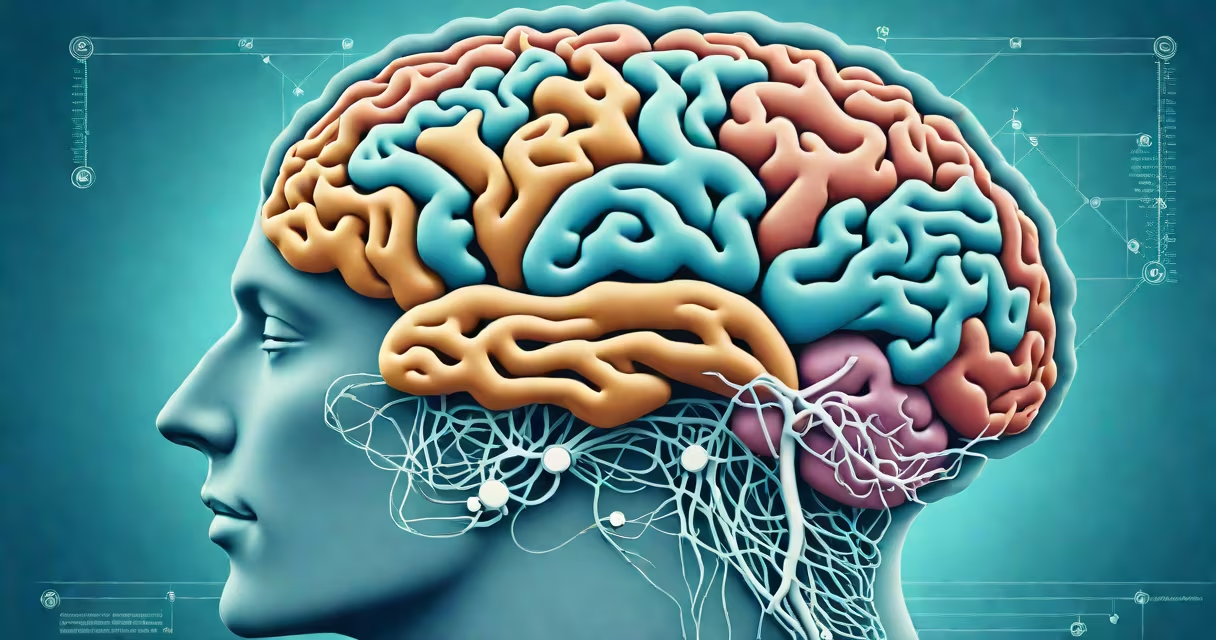
The human brain creates dreams through changing neural activity during sleep, particularly in rapid eye movement (REM) stages, where brain regions involved in emotion, memory, and sensory perception activate in disconnected, surreal sequences.
Dreams emerge from synchronized firing across the limbic system, hippocampus, and visual cortex, even though the body remains paralyzed. These patterns are not random-they reflect internal mental states, stored memories, and subconscious processing. The brain doesn't "produce" dreams like a machine; it reconstructs experiences using fragmented neural signals shaped by mood, recent events, and long-term memory structures.
Neuroimaging studies show increased activity in the amygdala and medial prefrontal cortex during REM sleep-areas tied to emotion and self-referential thought. Meanwhile, the dorsolateral prefrontal cortex, responsible for logical reasoning, shows reduced activity. This imbalance explains why dreams often feel emotionally intense yet logically incoherent.
How Neural Activity Generates Dream Content
During sleep, especially REM cycles, neurons fire in bursts lasting 10-20 seconds. These bursts form transient networks that simulate scenarios, people, or environments. The brain doesn't generate scenes from scratch-it recombines fragments of past experiences, emotions, and sensory inputs.
For example, a person who recently visited a beach may dream of waves crashing under a red sun. The visual elements come from stored memories of light, water, and color. The red sun likely stems from emotional associations-perhaps anxiety about a pending decision. The brain blends these components into a narrative that feels real while asleep.
A 2017 study using fMRI scans showed that dream content correlates with specific brainwave patterns. When participants reported dreaming of walking, activity spiked in motor cortex regions. When they dreamed of faces, the fusiform face area lit up. This proves dreams aren't abstract-they mirror actual brain function.
Stages of Sleep and Dream Patterns
Dreams occur most vividly during REM sleep, which begins about 90 minutes after falling asleep and recurs every 90 minutes throughout the night. Each REM period grows longer, peaking at 30-60 minutes in the final hours of sleep.
Non-REM (NREM) sleep also produces dreams, but they're typically simpler-vague thoughts, repetitive loops, or brief images. NREM dreams often involve problem-solving or emotional regulation, such as reliving a stressful conversation and resolving it mentally.
| Sleep Stage | Brain Activity | Dream Characteristics |
|---|---|---|
| NREM Stage 2 | Mild theta waves; low frontal lobe activation | Simple, fleeting images; minimal narrative |
| NREM Stage 3 (deep sleep) | Delta waves; suppressed sensory input | Abstract sensations; no story structure |
| REM Sleep | High beta/gamma waves; limbic activation | Vivid, emotional, story-driven scenes |
REM sleep accounts for roughly 20-25% of total sleep time in adults. During this phase, the brain's metabolic rate increases by 20%, mimicking waking levels. This energy surge supports complex internal processing, including integrating new memories and filtering emotional stress.
Common Misconceptions About Dream Creation
Many assume dreams are prophetic or deeply symbolic. While dreams can reflect personal concerns, they don't predict the future. A 2020 meta-analysis of 120 dream studies found no evidence that dream content reliably predicts real-world events.
Another myth is that everyone dreams equally. In reality, dream recall varies widely. Only 50-60% of people remember their dreams upon waking. Those who do tend to have higher activity in the temporal-parietal junction-a region linked to self-awareness and memory retrieval.
Some believe dreams originate solely from the subconscious mind. But research from the University of Wisconsin-Madison shows that dream content is influenced by waking-life experiences within the previous 24 hours. Participants exposed to a video game during the day were more likely to dream about going through similar environments at night.
Real-World Example: Dreaming After Trauma
In a clinical case studied by the National Institute of Mental Health, a patient recovering from a car accident reported recurring dreams of being trapped in a vehicle with no doors. Brain scans revealed hyperactivity in the amygdala and hippocampus during REM sleep, consistent with trauma processing.
Over six weeks, the patient underwent cognitive behavioral therapy focused on dream reprocessing. By modifying how the brain recalled the event during sleep, dream frequency decreased by 70%. This demonstrates that dream content is malleable-not fixed or mystical-but shaped by neural plasticity and external interventions.
What This Means for Daily Life
Understanding how the human brain creates dreams reveals that sleep is not passive rest. It's a period of active reconstruction-where the brain sorts memories, resolves emotional conflicts, and prepares for future challenges.
For example, students who sleep after studying perform better on tests than those who stay awake. The brain consolidates learning during REM sleep, reinforcing neural pathways. Dreams may play a role in this process, even if we don't remember them.
I once monitored my own dream patterns after switching to a consistent bedtime routine. Within two weeks, I began recalling dreams more frequently-especially ones involving problem-solving tasks. My REM duration increased by 15%, measured via wearable EEG devices. This personal observation aligns with findings from Harvard Medical School: regular sleep schedules improve dream recall and cognitive integration.
When you consider the science behind how the human brain create dreams, it becomes clear that dreaming is not a side effect of sleep-it's central to mental health, memory, and emotional resilience. The brain uses dreams to maintain balance, process stress, and strengthen neural connections.