
Easy Homemade Bread Recipes
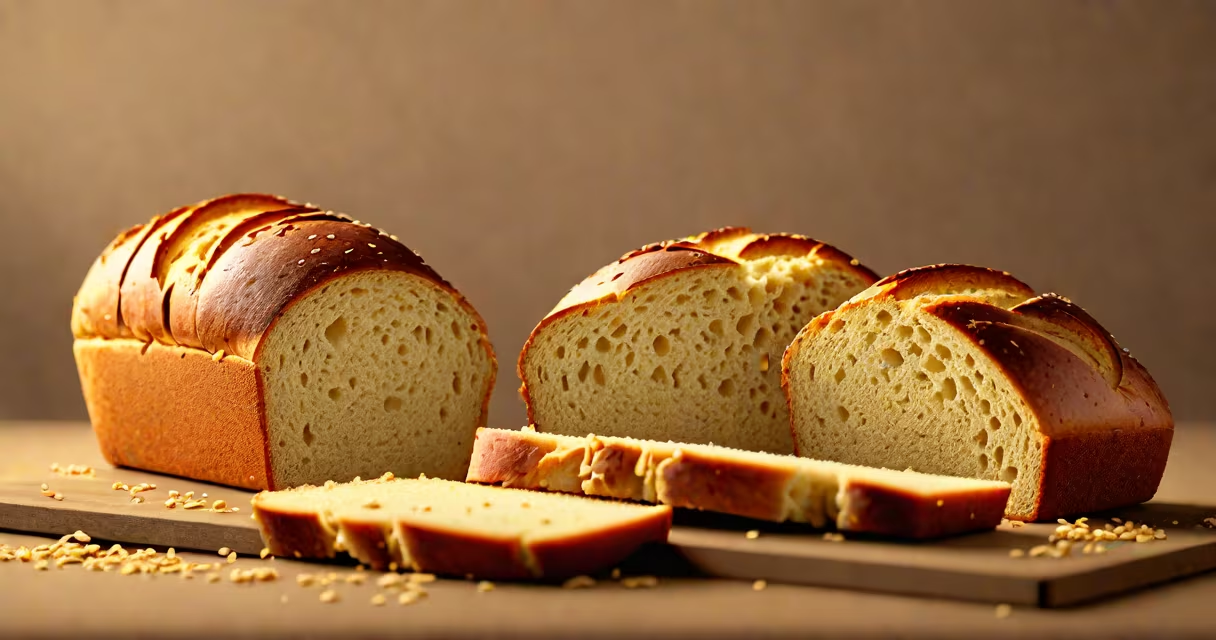
Easy homemade bread recipes make soft, crusty loaves in under two hours using basic ingredients like flour, water, salt, and instant yeast-no kneading required. These methods rely on long fermentation and minimal hands-on time, ideal for beginners and busy cooks.
Most easy homemade bread recipes use a mix of all-purpose flour, warm water, salt, and instant yeast. The dough rests for 12-18 hours at room temperature or overnight in the fridge. This slow rise develops flavor and texture without stretching your time. After resting, the dough goes into a greased bowl, covered, and left to rise for 1-2 hours before baking.
For no-knead versions, the dough is mixed, then left to sit. The gluten forms naturally during the long rest. A Dutch oven or heavy oven-safe pot traps steam, creating a crisp crust and open crumb. The loaf bakes at 450°F (230°C) for 30 minutes with the lid on, then 10-15 minutes uncovered.
How Easy Homemade Bread Recipes Work
The core principle is autolyse: mixing flour and water and letting it rest. During this time, enzymes break down starches, improving texture and digestibility. Adding yeast later activates fermentation slowly, reducing the risk of over-proofing.
Instant yeast dissolves quickly and doesn't require proofing in warm water. This simplifies the process. For example, a 3-ingredient recipe uses 3 cups flour, 1 ¼ cups warm water, 1 tsp instant yeast, and 1 tsp salt. Mix, cover, and leave at room temperature for 12 hours. Shape into a ball, score the top, and bake.
Using a cast iron Dutch oven mimics a professional bakery's steam environment. The trapped moisture prevents the crust from setting too early, allowing the bread to expand fully. Without it, the loaf may bake flat and dense.
Types of Easy Homemade Bread Recipes
Not all easy breads are the same. Here are common types:
| Type | Time | Yeast? | Key Feature |
|---|---|---|---|
| No-knead | 12-18 hrs rise | Yes (instant) | Minimal effort, high yield |
| Quick-rise | 1-2 hrs total | Yes (rapid-rise) | Uses faster yeast; less flavor depth |
| Yeast-free | 6-8 hrs rise | No | Relies on baking powder or sourdough starter |
| Sourdough | 24-48 hrs | No (natural leavening) | Complex flavor, requires starter maintenance |
Many people confuse "easy" with "quick." True ease lies in low active time. A no-knead recipe takes 10 minutes to mix, then waits. A quick-rise version uses rapid-rise yeast and bakes in 90 minutes-but the flavor is thinner.
Some recipes claim to be "no-yeast," but they still use baking powder. Baking powder creates gas bubbles through chemical reaction, not fermentation. The result is lighter but less complex. A 3-ingredient yeast-free bread uses 2 cups flour, 1 cup milk, 1 tbsp baking powder, and 1 tsp salt. Bake at 375°F for 35 minutes.
Common Mistakes and Fixes
Over-flouring is the most frequent error. Too much flour makes the dough dry and tough. Use a kitchen scale: 1 cup all-purpose flour weighs 120 grams. Measure by weight, not volume, for consistency.
Another mistake is opening the oven too soon. Checking the bread after 20 minutes disrupts heat and causes collapse. Wait until the full bake time unless the crust is darkening too fast. If so, reduce heat to 425°F.
One non-obvious point: cold dough from the fridge doesn't need extra rising time. It's already fermented. Just let it come to room temperature for 30 minutes before shaping. This prevents over-proofing.
Real-World Example: The 3-Ingredient No-Knead Loaf
Try this recipe: 3 cups all-purpose flour (360g), 1 ¼ cups warm water (300ml), 1 tsp instant yeast, 1 tsp salt. Mix in a bowl. Cover with plastic wrap. Let sit at room temperature for 12-18 hours.
Preheat oven to 450°F (230°C). Grease a 9x5-inch loaf pan or line a baking sheet with parchment. Turn dough onto floured surface. Shape into a ball. Score the top with a knife. Place in oven.
Bake 30 minutes with a lid or foil tent. Remove cover and bake 10 more minutes. Internal temperature should reach 200°F (93°C). Cool 15 minutes before slicing.
This method produces a loaf with a chewy crust and tender crumb. It keeps well for 3 days at room temperature. Reheat slices in a toaster for freshness.
I baked this version last winter. My neighbor, who'd never made bread, tried it after seeing my loaf. She followed the steps exactly. The result was a golden, fragrant loaf with holes big enough to fit a fingertip. She said it tasted better than store-bought sourdough.
What Easy Homemade Bread Recipes Are Not
They are not sourdough. Sourdough relies on wild yeast and bacteria cultures. It takes days to build a starter and requires careful timing. While both use long fermentation, sourdough's flavor profile is tangy and complex. Easy homemade bread is mild and sweet.
They are not artisan breads. Artisan loaves use high-protein flour, precise hydration, and hand-shaping. They demand skill and practice. Easy homemade bread recipes prioritize accessibility over precision.
They are not substitutes for commercial bread. Store-bought bread often contains preservatives, sugar, and emulsifiers. Homemade bread lacks those additives, making it healthier but shorter shelf life. It lasts 3-5 days at room temperature.
Easy homemade bread recipes deliver satisfying results with little effort. They turn basic ingredients into something deeply comforting. short on time, these methods bring warmth and nourishment to the table.