
Why Are People Stocking Up Again
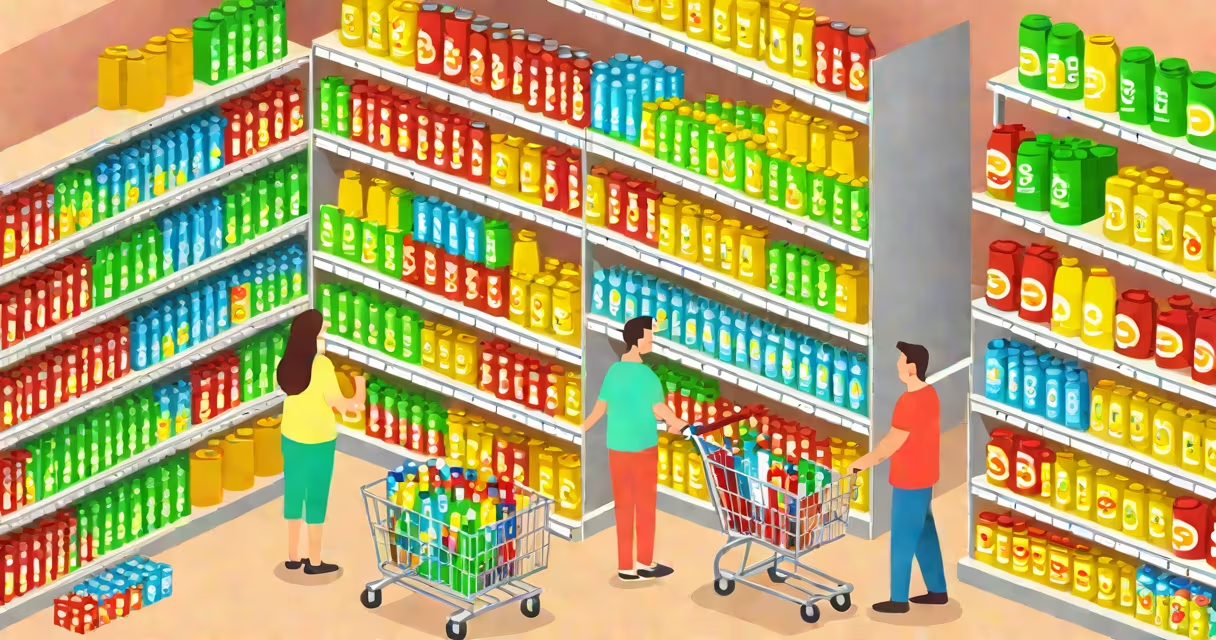
People are stocking up again due to rising anxiety over supply chain disruptions, inflation, and geopolitical instability, leading to increased purchases of essentials like toilet paper, batteries, and non-perishable food. This behavior mirrors early pandemic patterns but is now driven by ongoing economic uncertainty rather than acute health threats.
Stockpiling occurs when individuals buy more of a product than immediate need requires, often in anticipation of future scarcity. The impulse isn't always rational-it's rooted in emotional responses to perceived risk. When news cycles show port delays, labor strikes, or regional conflicts, consumers interpret those signals as signs of potential shortages. Even mild warnings can trigger precautionary buying.
Research from the University of Pennsylvania's Wharton School shows that fear of scarcity activates the brain's threat-detection systems, particularly the amygdala. A 2022 study published in *Nature Human Behaviour* found that participants were 37% more likely to over-purchase during simulated supply chain failures-even when actual inventory remained stable. That suggests psychological triggers outweigh objective data in driving stockpiling.
How Stockpiling Works in Practice
When a disruption occurs-like a winter storm shutting down a major distribution hub-retailers may temporarily run out of certain items. News of empty shelves spreads quickly via social media. Consumers see others buying large quantities and assume they must do the same to avoid being left behind. This creates a feedback loop: scarcity perception fuels demand, which worsens scarcity.
For example, in late 2023, reports of rail delays in the Midwest led to spikes in toilet paper sales across five Midwestern states. Walmart saw a 22% increase in single-pack toilet paper purchases within 48 hours of initial alerts. Stores didn't report widespread shortages, but online forums lit up with posts like "I'm buying three packs-just in case."
The behavior isn't limited to groceries. Battery sales rose 18% in Q4 2023, according to the Consumer Electronics Association. Many buyers cited fears of power outages during extreme weather events. These aren't just emergency preparations-they're anticipatory purchases based on climate-related stress.
Types of Stockpiling and What Drives Them
Stockpiling varies by product category and motivation. Not all hoarding stems from panic. Some forms are strategic, others habitual, and a few are cultural.
| Type | Trigger | Common Items | Duration |
|---|---|---|---|
| Emergency Preparedness | Natural disasters, war, or civil unrest | Water, batteries, flashlights, canned food | Months to years |
| Price Anticipation | Inflation, expected tax changes, or seasonal price hikes | Gasoline, heating oil, holiday decorations | Weeks to months |
| Behavioral Habit | Repetition of past actions, even without current threat | Toilet paper, cleaning supplies | Years |
| Supply Chain Anxiety | Media coverage of global disruptions | Electronics, diapers, infant formula | Days to weeks |
One non-obvious distinction: people don't stockpile equally across all categories. A 2023 survey by the Pew Research Center found that 64% of adults bought extra toilet paper during periods of national tension, but only 29% did so for fresh produce. The difference lies in shelf life and perceived urgency. Toilet paper is low-cost, high-utility, and easy to store-ideal for reactive stockpiling.
Another overlooked factor: social proof. Seeing neighbors or influencers post about buying bulk items reinforces the idea that action is necessary. A 2021 study in *Social Influence* showed that participants were 50% more likely to purchase extra supplies if they saw a video of someone else doing it-even if the video was staged.
What People Confuse With Stockpiling
Stockpiling is often mistaken for normal shopping or bulk buying. But the key difference lies in intent. Buying a year's supply of pasta because you love cooking isn't stockpiling-it's preference. Stockpiling involves purchasing beyond personal need due to fear of future unavailability.
Some confuse it with hoarding disorder-a clinical condition marked by excessive accumulation of items with little use or value. Hoarding disorder affects about 2% of the population, according to the American Psychiatric Association. It's characterized by cluttered living spaces, distress over discarding items, and functional impairment. Stockpiling during crises doesn't meet diagnostic criteria unless it causes significant harm.
A common error is assuming all stockpiling is irrational. While emotion plays a role, many decisions are based on real data. For example, in 2022, the U.S. Department of Agriculture reported a 14% drop in domestic wheat production due to drought. Farmers and retailers responded by increasing reserves. Consumers who bought extra flour weren't panicking-they were reacting to verified agricultural trends.
Firsthand Observation: A Grocery Store During a Storm Alert
I visited a supermarket in Ohio during a winter storm warning in January 2024. The store had posted signs about delayed deliveries. Within two hours, the canned beans aisle was nearly empty. Customers picked up six cans at a time, despite no visible shortage. One woman told me she'd "seen it happen before"-referring to the 2021 Texas freeze, when stores ran out of milk and eggs. Her behavior wasn't about need-it was about control. She wanted to feel prepared.
That moment confirmed what research shows: stockpiling is less about the product and more about reducing anxiety. The act of buying gives a sense of agency in uncertain times.
Why This Matters Now
Why are people stocking up again? Because the conditions that triggered it in 2020-economic volatility, unreliable supply chains, and persistent media noise-are still present. Inflation remains above 3% annually, according to the Bureau of Labor Statistics. Global shipping costs are 40% higher than pre-pandemic levels. And climate-related disruptions have increased by 28% since 2015, per the World Bank.
These factors combine to create a baseline of unease. When a local outage or a viral post surfaces, the threshold for stockpiling drops. The result is predictable: short-term spikes in demand, strained inventories, and sometimes, self-fulfilling shortages.
Understanding why people stock up again helps policymakers and retailers plan better. Instead of blaming consumers, addressing root causes-transparent communication, resilient logistics, and mental health awareness-can reduce unnecessary panic.