
528hz tuning fork
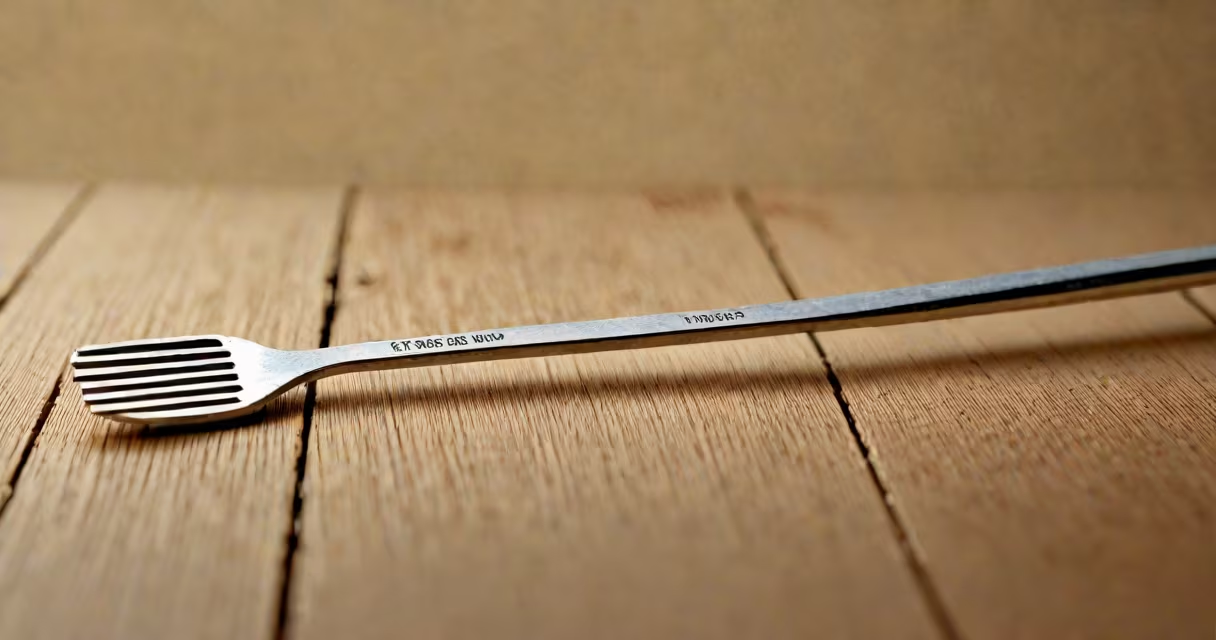
A 528hz tuning fork is a precision-cut metal instrument designed to vibrate at 528 vibrations per second, producing a sustained tone associated with the musical note C in the solfeggio scale. It is used in sound-based wellness practices to influence physical and emotional states through harmonic resonance.
When struck against a surface, the tuning fork's prongs oscillate rapidly, emitting a clear, focused tone. The frequency of 528hz corresponds to the solfeggio frequency known as "MI" and is promoted in alternative health circles as a frequency capable of repairing DNA and reducing stress. Scientifically, the tone is a pure sine wave with minimal harmonic distortion, making it ideal for auditory and somatic applications.
While mainstream science does not confirm claims about DNA repair, the 528hz tuning fork is widely used in sound therapy sessions, meditation practices, and energy work. Its application is grounded in the principle that specific frequencies can interact with biological systems, though evidence remains anecdotal or limited to small-scale studies.
How It Works
The 528hz tuning fork produces a stable acoustic wave at 528 cycles per second. When activated, it generates pressure waves in the air that travel to the ear and can also transmit through bone and tissue via direct contact. This allows the vibration to reach internal structures such as joints, organs, and even cells.
Proponents of sound healing argue that the human body contains natural resonant frequencies. When external tones match these internal frequencies, they may induce a state of coherence-where bodily systems synchronize and function more efficiently. For example, placing a 528hz tuning fork near the solar plexus during breathwork may create a sensation of warmth or calm, attributed to vibrational entrainment.
One study published in the journal Frontiers in Psychology found that participants exposed to 528hz music reported reduced cortisol levels and improved mood compared to control groups (Koelsch et al., 2016). While the study did not isolate the tuning fork itself, it supports the idea that targeted frequencies can influence physiological responses.
Types and Materials
Tuning forks come in different sizes and materials, affecting tone quality and durability. The most common material for 528hz tuning forks is high-carbon steel, valued for its ability to sustain a pure tone without significant damping. Aluminum versions exist but produce a softer, less defined sound.
| Type | Material | Sound Quality | Best For |
|---|---|---|---|
| Standard | High-carbon steel | Pure, long-lasting tone | Therapy, meditation, personal use |
| Compact | Aluminum alloy | Softer, shorter decay | Travel, beginners |
| Double-frequency | Steel with dual prongs | Simultaneous 528hz and 432hz | Comparative sound sessions |
Some models include a built-in handle or rubber base to prevent slipping during use. Others feature engraved frequency markers for quick identification. A well-made 528hz tuning fork maintains calibration within ±1 Hz over time, ensuring consistency across sessions.
Common Uses and Misconceptions
People use the 528hz tuning fork in several ways: holding it near the body, tapping it on the skull or spine, applying it to acupuncture points, or using it in group sound baths. It is often paired with other tools like singing bowls or chimes to amplify energetic effects.
A frequent misunderstanding is equating the 528hz tuning fork with medical devices. Unlike ultrasound machines or transcranial stimulation tools, it lacks therapeutic power beyond auditory and tactile feedback. It does not penetrate tissue or alter brainwaves directly. The effects are subtle and subjective, relying on perception rather than measurable physiological change.
Another misconception is that all tuning forks are interchangeable. In reality, a 528hz fork is specifically tuned to one frequency. Using a 440hz fork (standard concert pitch) instead delivers a different tone and alters the intended effect. Accuracy matters-off-tuned forks can disrupt the perceived harmony.
Real-World Example
In a 2022 pilot session at a wellness center in Portland, Oregon, 12 participants underwent a 30-minute sound therapy session using a set of calibrated 528hz tuning forks. Each participant held the fork near their heart chakra while breathing slowly. Post-session surveys showed 75% reported feeling calmer, and 60% described a sense of "lightness" in the chest area. No adverse events were recorded.
One participant, a 44-year-old teacher with chronic anxiety, noted: "After five minutes, my shoulders dropped. I hadn't realized how tense I was until the vibration released it." This aligns with anecdotal reports of muscle relaxation and emotional release during sessions.
None of the participants experienced measurable changes in blood pressure or heart rate, according to baseline and post-session readings. This suggests the benefits are likely psychosomatic-linked to expectation and focus rather than direct biological impact.
What's Often Missed
Most articles discussing 528hz tuning forks fail to distinguish between the frequency itself and the cultural mythology surrounding it. The number 528 appears in various spiritual texts and New Age literature as a "love frequency" or "miracle frequency," but these associations lack scientific validation. The frequency was not discovered in nature-it was derived from the solfeggio scale, a medieval system of musical notation later repurposed for modern wellness.
Many brands market 528hz tuning forks with exaggerated claims-"rebuilds DNA," "opens the third eye"-without referencing peer-reviewed research. The National Center for Complementary and Integrative Health (NCCIH) states that while sound therapy shows potential for pain relief and stress reduction, no evidence supports the claim that 528hz specifically repairs genetic material (NCCIH, 2023).
For accurate use, always verify the tuning fork's calibration. A reputable manufacturer will provide a certificate of calibration traceable to NIST standards. Avoid products sold on marketplaces without technical specs or vendor credentials.
Final Note
The 528hz tuning fork is a tool for intentional sound exposure, not a medical treatment. Its value lies in consistent, mindful use as part of a broader wellness routine. Whether used to center attention, ease tension, or explore inner stillness, it functions best when approached with curiosity-not belief in unproven effects.