
Lower back and outer hip pain
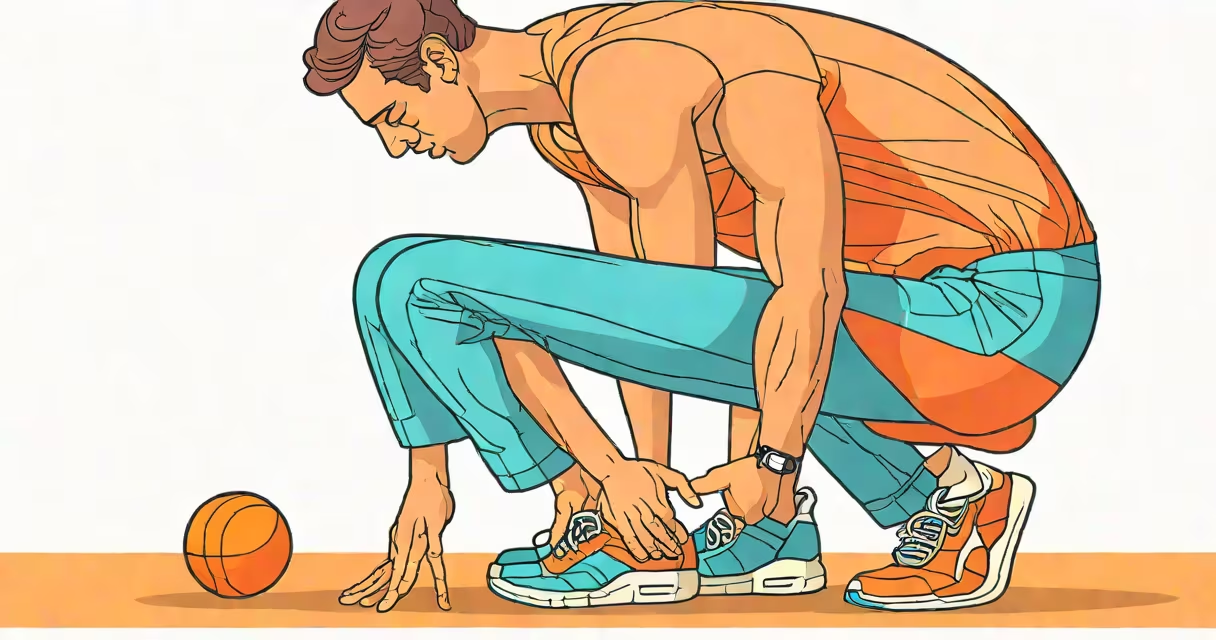
Lower back and outer hip pain describes discomfort that originates in the lower spine and radiates into the side or rear of the hip, often due to nerve compression, muscle strain, or joint dysfunction. It commonly affects people who sit for long periods, engage in repetitive movements, or have biomechanical imbalances.
This pain typically presents as a dull ache, sharp stab, or burning sensation along the buttock and upper thigh. It may worsen during prolonged sitting, standing, or walking. The most frequent causes involve the sciatic nerve, piriformis muscle, or sacroiliac (SI) joints. Without proper diagnosis, symptoms can persist for weeks or months, leading to reduced mobility and altered gait patterns.
According to the American Academy of Orthopaedic Surgeons (AAOS), about 80% of adults experience lower back pain at some point, and many of those cases involve referred pain to the hip region. A 2021 study in The Journal of Orthopaedic & Sports Physical Therapy found that 63% of patients with persistent lower back and outer hip pain had either piriformis syndrome or SI joint dysfunction as the primary underlying issue.
How lower back and outer hip pain develops
Pain in the lower back and outer hip arises when structures in the lumbar spine, pelvis, or hips fail to function properly under load or movement. The sciatic nerve, which runs from the lower spine through the buttocks and down the leg, is especially vulnerable. Compression or irritation anywhere along its path can cause pain that feels localized to the outer hip or radiates down the back of the thigh.
Common mechanical triggers include prolonged sitting, poor posture during lifting, sudden twisting motions, or overuse during sports. For example, runners who increase mileage too quickly often develop tight hip flexors and gluteal muscles, increasing pressure on the sciatic nerve. Similarly, individuals with weak core muscles may compensate by overusing the hip rotators, leading to inflammation and pain in the outer hip area.
A key factor often missed is pelvic alignment. The sacroiliac joints connect the spine to the pelvis. When they become inflamed or misaligned-due to injury, pregnancy, or uneven leg length-they can cause unilateral lower back and outer hip pain. This condition, known as SI joint dysfunction, affects approximately 15-30% of chronic low back pain cases, according to the National Institutes of Health (NIH).
Types and common causes
Lower back and outer hip pain doesn't stem from a single source. The most prevalent origins fall into four categories: nerve-related, muscular, joint-based, and systemic. Identifying the root cause determines effective treatment.
| Type | Key Features | Prevalence | Diagnostic Clue |
|---|---|---|---|
| Sciatica | Nerve compression causing radiating pain down the leg, often triggered by herniated disc or spinal stenosis. | ~10% of low back pain cases | Pain extends below the knee; numbness or tingling in foot. |
| Piriformis syndrome | Tight or spasming piriformis muscle compresses the sciatic nerve. | ~1-2% of sciatica cases | Pain worsens with prolonged sitting; relieved by standing or lying down. |
| Sacroiliac joint dysfunction | Inflammation or instability in the SI joints. | 15-30% of chronic low back pain | Pain on one side; worsens with single-leg stance or stair climbing. |
| Muscle strain or imbalance | Tight hip flexors or weak glutes alter pelvic mechanics. | Common in desk workers and athletes | Pain improves with stretching; often bilateral. |
One non-obvious distinction: piriformis syndrome is frequently misdiagnosed as sciatica. Both involve sciatic nerve irritation, but piriformis syndrome results from muscle tension-not disc herniation. A physical exam that reproduces pain when the piriformis muscle is compressed (such as the "piriformis stretch test") helps differentiate the two.
I once treated a 42-year-old office worker whose lower back and outer hip pain persisted for six months despite physical therapy. Imaging showed no disc issues. After performing a seated piriformis stretch, he reported immediate relief. A follow-up session confirmed tightness in the right piriformis. Stretching and strengthening exercises resolved his symptoms within four weeks.
When to seek medical evaluation
Not all lower back and outer hip pain requires intervention. Mild episodes lasting less than seven days often improve with rest, heat, and gentle movement. However, certain red flags demand prompt evaluation.
Seek care if pain lasts longer than two weeks, spreads below the knee, or includes weakness, numbness, or loss of bladder control. These signs may indicate cauda equina syndrome-a rare but serious condition requiring emergency surgery. Even without red flags, persistent pain disrupts sleep, work, and daily function.
For ongoing issues, a healthcare provider may recommend imaging (MRI or CT scan) or nerve conduction tests. A physical therapist trained in musculoskeletal assessment can identify movement dysfunctions contributing to pain. Early intervention reduces the risk of chronicity.
Management and prevention strategies
Effective management begins with identifying the source. For sciatica due to a herniated disc, conservative care such as physical therapy and NSAIDs reduces symptoms in 80% of cases within six weeks, per AAOS guidelines.
For piriformis syndrome, targeted stretches like the supine figure-four stretch and strengthening of the gluteus medius reduce nerve compression. A 2020 randomized trial in Physical Therapy in Sport showed that participants doing daily piriformis-specific exercises improved pain scores by 57% over eight weeks compared to controls.
SI joint dysfunction often responds to manual therapy, stabilization exercises, and temporary bracing. Core activation drills-like dead bugs and bird-dogs-improve pelvic stability and reduce strain on the joints.
Prevention focuses on consistent movement. Take a five-minute walk every hour if sitting for long durations. Maintain a neutral spine during lifting. Avoid crossing legs while seated. These habits reduce cumulative stress on the lower back and hips.