
What Are the Symptoms of Hives
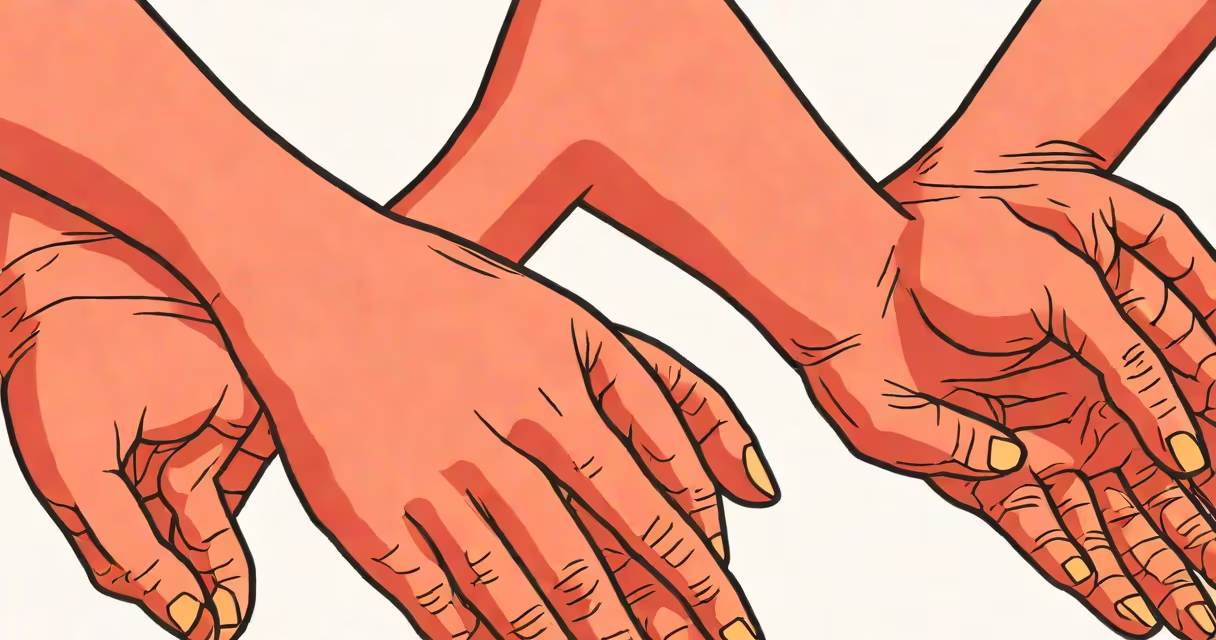
Hives, also known as urticaria, are raised, red, itchy welts that appear suddenly on the skin. They often develop in response to an allergen, infection, or stress and can last from hours to days. The condition affects about 20% of people at some point in their lives, according to the American Academy of Allergy, Asthma & Immunology (AAAAI).
Symptoms typically begin as small, pink or red bumps that grow larger and merge into irregular shapes. The center of each welt may appear pale or white. Lesions usually last less than 24 hours before fading, though new ones can form in different areas.
Most cases involve intense itching. Some people report burning, stinging, or swelling sensations. The affected skin may feel warm to the touch. Hives can appear anywhere-arms, legs, face, trunk-but rarely affect mucous membranes unless part of a systemic reaction.
How Hives Develop
Hives result from the release of histamine and other chemicals from immune cells in the skin. When triggered-by food, medication, insect bites, infections, or even cold temperatures-the blood vessels dilate and fluid leaks into surrounding tissue. This causes swelling and inflammation.
The process begins within minutes of exposure to a trigger. In acute cases, symptoms resolve within six weeks. Chronic hives persist longer than six weeks and may indicate an underlying autoimmune condition, such as thyroid disease, which the National Institute of Allergy and Infectious Diseases (NIAID) notes in its guidelines.
Not all rashes are hives. A true hive lesion blanches (turns white) when pressed. This is a key diagnostic feature. Non-hive rashes like eczema or psoriasis do not blanch and often have scaling or crusting.
Types and Common Triggers
Hives fall into two categories based on duration: acute (less than six weeks) and chronic (more than six weeks). Acute hives are most common in children and are often caused by viral infections or food allergies. Chronic hives are more likely to stem from autoimmune responses or unknown triggers.
| Type | Duration | Common Causes | Prevalence |
|---|---|---|---|
| Acute | Less than 6 weeks | Food (peanuts, shellfish), medications (penicillin), insect stings, viruses | ~90% of cases |
| Chronic | More than 6 weeks | Autoimmune disorders, stress, unknown factors | ~10% of cases |
Physical stimuli can also cause hives. Cold-induced urticaria appears after exposure to cold air or water. Heat, pressure, sunlight, and vibration have similar effects. These are called physical urticarias and account for about 5% of cases, per NIAID data.
A common misconception is that hives always signal a severe allergy. While they can accompany anaphylaxis, most cases are isolated skin reactions. Only about 1% of hives cases progress to life-threatening airway swelling, according to AAAAI reports.
When Symptoms Signal a Medical Emergency
Urticaria alone does not require emergency care. But if hives are accompanied by swelling of the lips, tongue, or throat-known as angioedema-it becomes urgent. Angioedema can obstruct breathing and requires immediate medical attention.
Other warning signs include difficulty swallowing, hoarseness, dizziness, chest tightness, or rapid heartbeat. These suggest anaphylaxis, a systemic allergic reaction that can be fatal without treatment. Epinephrine auto-injectors are recommended for people with a history of anaphylaxis.
One non-obvious fact: hives can occur without visible skin changes. Internal hives-swelling beneath the skin-may cause pain or discomfort without redness. This is rare but serious, especially if it affects the gastrointestinal tract or airways.
Real-World Example: A Case Study
In 2022, a 34-year-old woman developed sudden hives after eating shrimp at a seafood restaurant. Within 30 minutes, she had multiple raised, intensely itchy welts on her arms and torso. She noticed the lesions turned white when pressed. Her doctor confirmed the diagnosis using the blanching test.
She had no prior history of allergies. Blood tests ruled out autoimmune markers. The reaction resolved in 48 hours with antihistamines. She avoided shellfish afterward and carried an epinephrine injector due to risk of recurrence.
Another patient, a 42-year-old man, experienced daily hives for eight months. He had no identifiable trigger. His doctor diagnosed chronic spontaneous urticaria. After testing, he was found to have anti-thyroid antibodies. Treatment with immunosuppressants reduced flare-ups.
What's Often Misunderstood
Many assume hives are contagious. They are not. The rash cannot spread through contact. Hives are a personal immune response, not an infectious agent.
Another error is treating hives with hot baths or scratching. Both worsen inflammation and increase risk of infection. Cool compresses and loose clothing are better choices.
I once observed a child with hives during a school field trip. The teacher applied heat to the rash, believing it would "draw out" the irritation. The child's welts spread rapidly. After cooling the area and administering oral antihistamines, the symptoms improved within two hours.
Next Steps and Management
For mild cases, over-the-counter antihistamines like cetirizine (Zyrtec) or loratadine (Claritin) reduce itching and swelling. They work best when taken early. Prescription-strength options are available for persistent cases.
If hives last more than six weeks, consult a dermatologist or allergist. Testing may include blood work, skin prick tests, or patch testing to identify triggers.
Recognizing the symptoms of hives allows faster treatment and prevents complications. Early intervention reduces discomfort and lowers the risk of progression to angioedema or anaphylaxis.