
What Are Roundworms in Cats
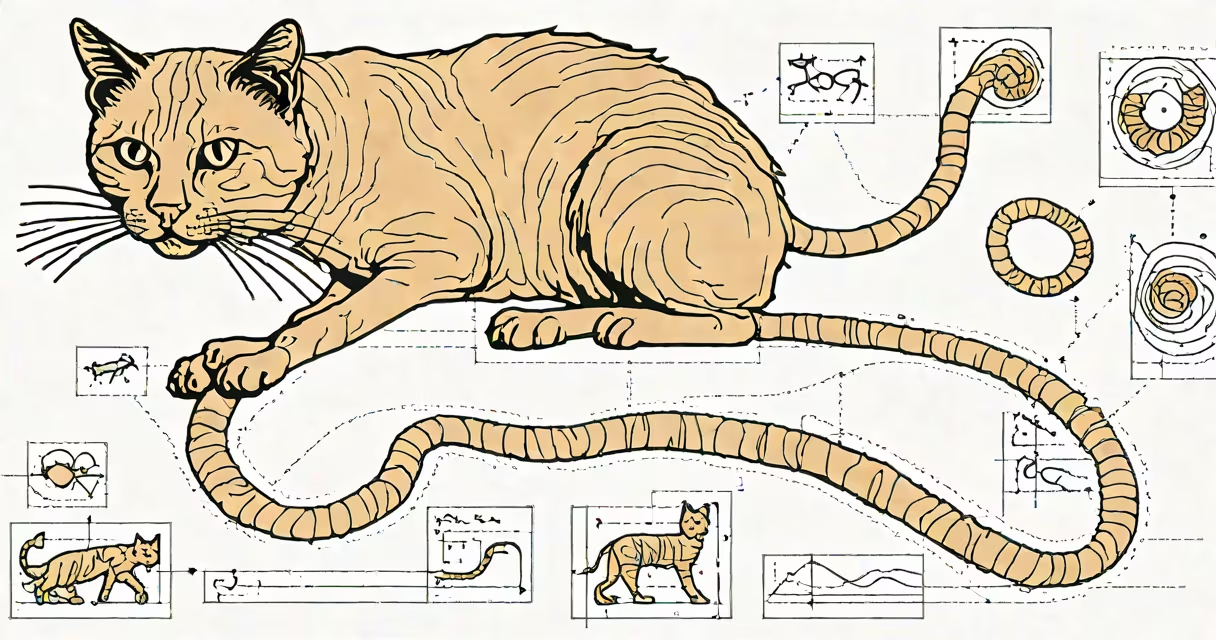
Roundworms in cats are parasitic nematodes that live in the small intestine, feeding on partially digested food. They appear as long, thin, white worms resembling spaghetti and can grow up to 3 to 5 inches in length. These parasites are among the most common internal threats in domestic cats, especially kittens.
Roundworms in cats are caused primarily by *Toxocara cati* and *Toxascaris leonina*. The infection occurs when a cat ingests eggs from contaminated soil, prey animals, or through maternal transmission during nursing. Once inside the cat's body, larvae migrate through tissues, including the liver and lungs, before returning to the intestines to mature into adults.
According to the American Veterinary Medical Association (AVMA), roundworms affect up to 30% of kittens and 10% of adult cats in the United States. Left untreated, they can lead to stunted growth, poor coat condition, and even intestinal blockages. The presence of roundworms in cats is a zoonotic concern-meaning they can infect humans, particularly children, leading to serious complications such as visceral larva migrans.
How Roundworms in Cats Work
After ingestion, roundworm eggs hatch into larvae in the cat's small intestine. These larvae penetrate the intestinal wall and enter the bloodstream, traveling to the liver and then the lungs. They burrow through lung tissue, ascend the airways, and are swallowed back into the gastrointestinal tract. Once returned to the small intestine, they mature into adult worms within 2 to 3 weeks.
Adult roundworms attach to the intestinal lining using tiny hooks or teeth. They absorb nutrients from the host's digested food, depriving the cat of essential calories and vitamins. This nutrient theft reduces energy availability, contributing to weight loss and poor growth in young cats.
A single female roundworm can lay up to 100,000 eggs per day. These eggs are shed in the cat's feces and become infectious after 1 to 3 weeks in the environment. They remain viable in soil for years under favorable conditions, creating persistent contamination risks.
Types and Life Stages of Roundworms in Cats
Two primary species cause roundworm infections in cats:
| Species | Size | Transmission Route | Common Host Age |
|---|---|---|---|
| Toxocara cati | 3-5 inches | Oral ingestion of eggs, transmammary transfer | Kittens, young adults |
| Toxascaris leonina | 2-4 inches | Ingestion of infected intermediate hosts (e.g., rodents) | All ages, more common in outdoor cats |
Both species share similar life cycles but differ in transmission routes. *T. cati* is often passed from mother to kitten via milk, making early deworming critical. *T. leonina* requires ingestion of an infected animal, typically a mouse or bird, which acts as an intermediate host.
Non-obvious fact: Roundworms do not always cause visible symptoms. A cat may harbor hundreds of worms with no diarrhea, vomiting, or lethargy. In one study published in the Journal of Feline Medicine and Surgery, 40% of asymptomatic cats tested positive for roundworm eggs in fecal exams.
Where and Why Roundworms in Cats Occur
Roundworms thrive in environments with high cat density and poor sanitation. Outdoor cats, stray populations, and multi-cat households have higher infection rates. Soil in yards, litter boxes, and sandboxes becomes a reservoir for infectious eggs.
Cats contract roundworms through multiple pathways: eating contaminated soil, hunting birds or rodents, drinking water from polluted sources, or grooming fur after walking through infested areas. Kittens are especially vulnerable because they can acquire larvae through their mother's milk during nursing.
For example, a 6-week-old kitten named Luna developed a pot-bellied appearance and mild diarrhea. A fecal flotation test revealed *Toxocara cati* eggs. After two doses of fenbendazole spaced two weeks apart, her condition improved. Her mother had never been dewormed, confirming vertical transmission.
Common Misconceptions and Confusions
Many people mistake roundworms for tapeworms. Tapeworms are flat, segmented parasites that attach to the intestinal wall using a scolex (head). They are typically acquired by ingesting fleas or raw meat. Roundworms are cylindrical, unsegmented, and often seen whole in vomit or stool.
Another misconception is that indoor-only cats are immune. This is false. Eggs can be tracked indoors on shoes or clothing. A 2021 study in *Veterinary Parasitology* found that 15% of indoor cats in urban shelters tested positive for roundworms due to environmental exposure.
Some assume that roundworms only affect sick or malnourished cats. But healthy cats can carry large worm burdens asymptomatically. This makes routine screening essential-even when a cat appears normal.
Treatment and Prevention
Roundworms in cats are treatable with anthelmintic drugs. Common medications include fenbendazole (Panacur), pyrantel pamoate (Nemex), and selamectin (Revolution). Treatment usually lasts 3 to 4 weeks with follow-up fecal tests to confirm elimination.
Prevention involves regular deworming schedules. The American Association of Feline Practitioners recommends deworming kittens every 2 weeks until 8 weeks old, then monthly until 6 months. Adult cats should be dewormed every 3 to 6 months depending on lifestyle.
Environmental control is key. Clean litter boxes daily, dispose of feces properly, and avoid letting cats access soil or hunt wildlife. Wash hands after handling cat waste or cleaning litter boxes.
Roundworms in cats are preventable and manageable with consistent care. Understanding their life cycle and transmission routes enables owners to protect both pets and families. Early detection and treatment reduce the risk of zoonotic spread, especially in homes with children.