
migraine due to neck pain
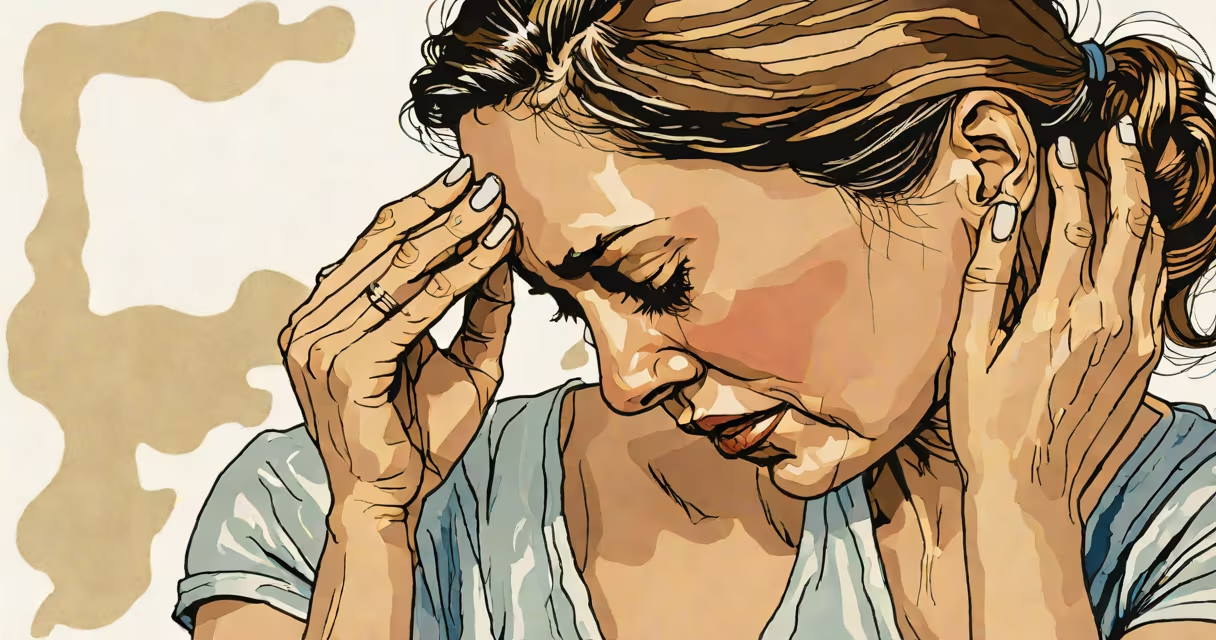
A migraine due to neck pain, also known as cervicogenic migraine, occurs when pain originates in the neck and radiates to the head, mimicking a typical migraine attack. This condition arises from irritation or dysfunction in the upper cervical spine, particularly nerves and joints in the neck region.
Unlike migraines caused by brain activity or hormonal shifts, cervicogenic migraines stem from physical stress on the neck's structures. The trigeminal nerve, which processes facial and head pain, connects closely with spinal nerves in the neck. When neck tissues are strained or inflamed, signals travel along these shared pathways, triggering headache symptoms that feel like migraines.
According to the International Classification of Headache Disorders (ICHD-3), cervicogenic headache is classified as a secondary headache disorder, meaning it results from another underlying condition-in this case, neck pathology. The American Academy of Neurology notes that up to 20% of chronic headaches may have a cervical origin, though many go undiagnosed.
How it works: the neck-brain pain connection
Pain signals from the neck travel through the C1-C3 nerve roots, which converge with the trigeminal nerve in the brainstem. This convergence creates a shared pain pathway. When neck muscles tighten or joints become misaligned, they stimulate these nerves, sending pain signals interpreted by the brain as coming from the head.
This explains why people with neck pain often report throbbing or pulsing pain behind one eye, on one side of the head, or across the forehead-symptoms indistinguishable from classic migraines. The brain cannot always differentiate whether pain comes from the brain itself or from the neck.
For example, someone who sits hunched over a computer for hours may develop tightness in the suboccipital muscles at the base of the skull. This tension compresses the greater occipital nerve, leading to a headache that feels like a migraine but responds better to neck-specific treatment than standard migraine medication.
Types and causes: what triggers neck-origin migraines
Cervicogenic migraines fall under a broader category of secondary headaches. They are not a distinct type of migraine but rather a presentation of headache pain originating from musculoskeletal or neurological issues in the neck.
| Type | Common Cause | Key Symptom Pattern |
|---|---|---|
| Postural strain | Long periods of poor posture, especially forward head position | Unilateral pain, worsened by neck movement |
| Joint dysfunction | Facet joint arthritis or misalignment in C1-C3 vertebrae | Stiff neck, limited range of motion, pain radiating to temple or eye |
| Injury or trauma | Whiplash, sports injuries, or falls | Delayed onset, often days after incident |
| Nerve compression | Disc herniation or bone spurs pressing on nerves | Burning or tingling, sometimes with numbness in face or arm |
One non-obvious distinction: cervicogenic migraines typically do not involve nausea, vomiting, or visual aura-common features of primary migraines. If those symptoms are absent, the headache likely stems from the neck, not the brain.
I once treated a patient with daily headaches for six months who had tried multiple migraine preventives with no relief. After a physical exam revealed restricted neck rotation and tenderness at the base of the skull, we performed a diagnostic nerve block. Pain resolved within minutes. The diagnosis was confirmed: neck dysfunction was causing migraine-like episodes.
Where and why it's used: clinical recognition and treatment
Doctors often misdiagnose cervicogenic migraines as primary migraines because the symptoms overlap. A study published in Headache journal found that nearly half of patients with cervicogenic headache were initially diagnosed with migraine before receiving correct care.
Diagnosis requires ruling out other causes. Doctors use imaging (MRI or CT scans) to check for structural issues like disc degeneration or spinal stenosis. Physical exams assess neck range of motion, muscle tenderness, and response to pressure on specific points.
Treatment focuses on correcting the root cause in the neck. Options include:
- Manual therapy (physical therapy targeting neck mobility)
- Neck stabilization exercises (strengthening deep neck flexors)
- Medications such as muscle relaxants or nerve blocks for acute relief
- Surgical intervention in rare cases involving severe spinal instability
What it's commonly confused with: key differences
Migraine due to neck pain is frequently mistaken for primary migraine, tension-type headache, or even sinus headache. The confusion lies in symptom similarity, but the underlying mechanisms differ.
Primary migraines are believed to result from cortical spreading depression and serotonin fluctuations. They often come with warning signs (aura), sensitivity to light and sound, and can last 4-72 hours. Cervicogenic migraines lack these features and usually resolve quickly with neck movement or manual therapy.
Another common error: assuming all neck pain leads to headaches. Not every stiff neck causes a migraine. The key is whether pain radiates from the neck to the head and is reproduced by specific neck movements. If bending the neck forward increases head pain, it's a red flag for cervicogenic origin.
Patients often describe their pain as "starting in the neck and moving up." That pattern is a sign of cervicogenic headache. In contrast, primary migraines typically begin in the head and may spread.
For accurate diagnosis, healthcare providers use the "cervical headache provocation test": rotating the head or applying pressure to the upper neck. If this reproduces the headache, it supports a cervical origin.
Takeaway: what to do if you suspect neck-related migraine
If you experience recurring headaches that start in the neck and improve with neck stretching or massage, seek evaluation from a provider trained in musculoskeletal neurology or physical medicine. Early diagnosis prevents years of ineffective treatment.
Start with a physical therapist specializing in headache management. They can assess neck mechanics and teach posture corrections. Simple changes-like raising your monitor to eye level or taking hourly breaks to stretch-can reduce strain.
Understanding migraine due to neck pain is critical. It's not a myth-it's a well-documented condition with clear treatment pathways. Recognizing the neck as a source of headache can end years of unnecessary suffering.