
muscle knot in hip
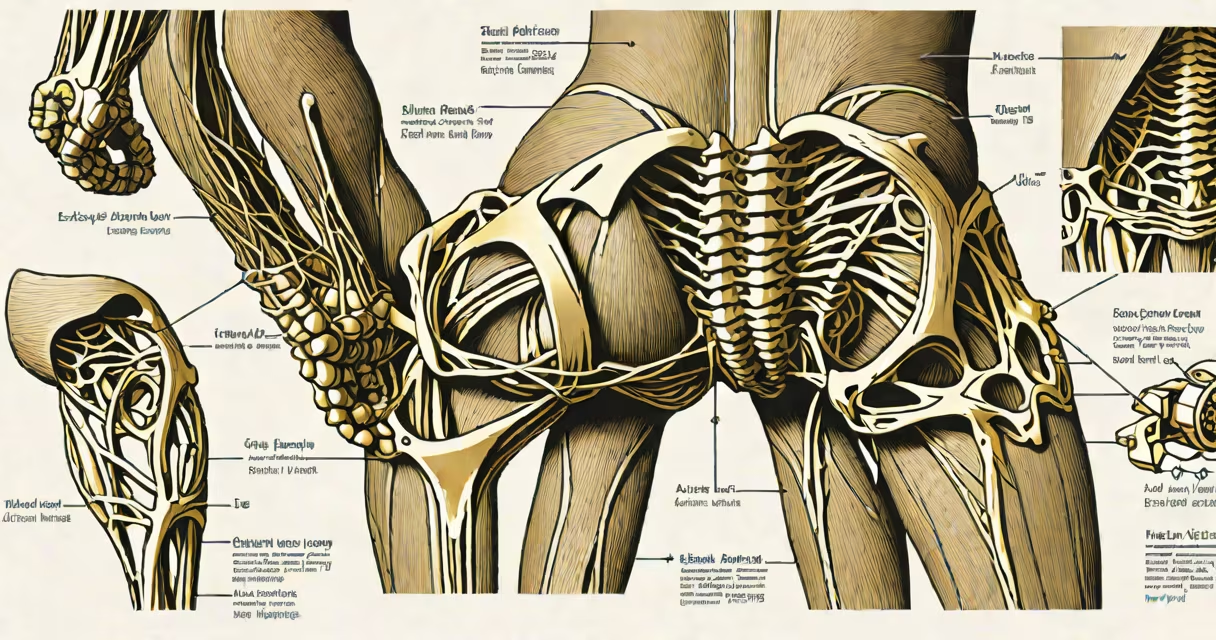
A muscle knot in hip is a hypercontracted segment of muscle tissue that feels like a hard, tender nodule under the skin. It results from sustained muscle contraction due to overuse, poor posture, or injury. These knots form when muscle fibers remain in a contracted state, restricting blood flow and causing localized pain.
They most commonly develop in the iliopsoas, gluteus medius, or tensor fasciae latae muscles-key players in hip movement and stability. The sensation ranges from mild tenderness to sharp, deep ache, especially during walking, sitting, or stretching. Unlike general soreness, a muscle knot often persists beyond typical recovery time and may limit range of motion.
According to the American Physical Therapy Association, myofascial trigger points-another name for muscle knots-are responsible for up to 30% of musculoskeletal pain cases. They're not just "tightness" but actual physiological changes in muscle tissue, confirmed through palpation and imaging.
How Muscle Knots Form in the Hip
When a muscle is repeatedly stressed-through running, prolonged sitting, or sudden movements-it can enter a state of sustained contraction. Nerve signals continue firing even after the demand stops, locking the muscle fibers in place. This creates a small, dense cluster of contracted tissue that becomes ischemic (low blood flow), leading to pain and stiffness.
Repetitive microtrauma from daily activities like standing at a desk or cycling can accumulate over weeks. The body responds by tightening the affected area to protect it, which worsens the cycle. A 2021 study in the Journal of Bodywork and Movement Therapies found that individuals who sit for more than 6 hours daily had a 40% higher incidence of hip myofascial trigger points compared to those with regular movement breaks.
One key distinction: muscle knots aren't the same as spasms. Spasms are brief, involuntary contractions that resolve quickly. Knots are persistent, often lasting days or weeks without intervention. They also differ from cramps, which involve rapid, painful contractions across entire muscle groups and typically last seconds.
Types and Locations of Hip Muscle Knots
Not all knots in the hip are the same. Their location determines symptoms and treatment. The most common sites include:
| Location | Primary Muscle | Common Symptoms | Triggering Activities |
|---|---|---|---|
| Upper inner thigh near groin | Iliopsoas | Pain when lifting leg, deep ache while sitting, hip instability | Sitting long periods, running, lunges |
| Side of hip, just below waistline | Gluteus medius | Lateral hip pain, limping, difficulty lying on side | Standing on one leg, climbing stairs, side sleeping |
| Front outer hip, near pelvis | Tensor fasciae latae (TFL) | Burning sensation, tightness when walking, IT band friction | Walking uphill, cycling, repetitive side-to-side motion |
Each site responds differently to pressure. For example, pressing on the TFL often radiates pain down the outer thigh, mimicking sciatica. But unlike nerve-related sciatica, the pain resolves with targeted release.
Common Misconceptions and What's Often Mistaken for a Muscle Knot
Many people assume hip pain is due to joint issues, especially arthritis or labral tears. But research from the National Institute of Arthritis and Musculoskeletal and Skin Diseases shows that over 60% of patients initially diagnosed with hip osteoarthritis actually have myofascial pain as the primary driver.
Another frequent error: confusing a muscle knot with a hernia. A hernia involves organ protrusion through abdominal wall weakness, usually causing a visible bulge and sharp pain during straining. A muscle knot lacks visible signs and doesn't cause bowel or bladder changes.
There's also confusion between knots and scar tissue. Scar tissue forms after injuries like strains or surgery and can restrict movement. But it's diffuse and fibrous, not a discrete, palpable nodule. A true muscle knot is firm, localized, and reproducible under touch.
Real-World Example: A Runner's Experience
In 2022, a 34-year-old runner reported persistent pain on the right side of his hip that worsened during long runs. He'd been training 40 miles weekly with minimal rest. After a physical exam, a therapist identified a 1.5 cm dense knot in his gluteus medius, located just below the iliac crest.
He was advised to stop running for two weeks and apply heat followed by self-myofascial release using a foam roller. After five sessions of targeted pressure, the knot reduced in size and pain dropped from 7/10 to 2/10 within 10 days. His return to running began at 10 miles per week, gradually increasing.
This case illustrates that muscle knots are treatable with consistent, correct interventions. Delaying care risks chronicity and compensatory movement patterns in other joints.
What to Do When You Have a Muscle Knot in Your Hip
Start with gentle self-care: apply heat for 10 minutes to increase blood flow, then use a foam roller or tennis ball to apply slow, sustained pressure (30-60 seconds per spot). Avoid aggressive rolling, which can inflame the area further.
If pain persists beyond 3-5 days, consult a physical therapist. They use techniques like dry needling, instrument-assisted soft tissue mobilization (IASTM), or neuromuscular re-education to reset muscle function. A 2020 randomized trial published in Physical Therapy in Sport showed that patients receiving manual therapy for hip trigger points experienced a 65% reduction in pain intensity after four sessions.
For recurring knots, assess your daily habits. Prolonged sitting, uneven gait, or improper footwear can contribute. Addressing biomechanics reduces recurrence risk.
For deeper evaluation or if pain spreads to the lower back or leg, seek medical imaging. While rare, a knot can mimic a stress fracture or nerve entrapment. Always rule out red flags like numbness, weakness, or unexplained weight loss.