
What Causes Liver Damage in Women
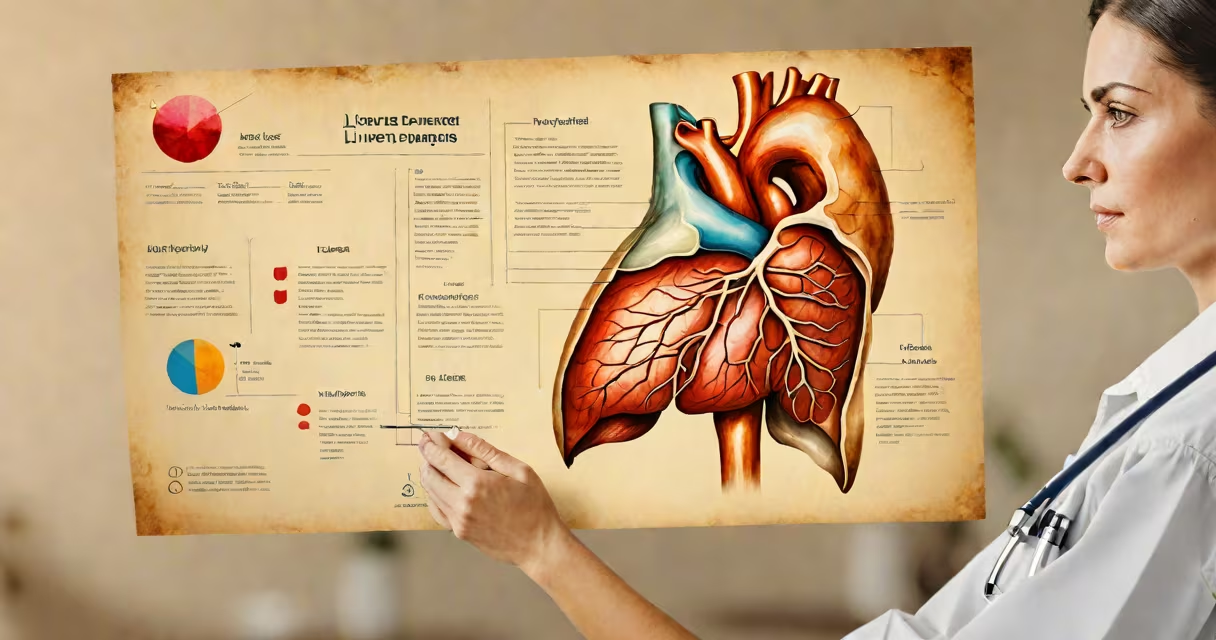
Liver damage in women arises from a mix of hormonal influences, medication side effects, metabolic conditions like fatty liver disease, and autoimmune disorders-often with symptoms that mimic other issues due to sex-specific biological differences.
Women face unique risks for liver damage due to hormonal regulation, reproductive health factors, and higher rates of certain autoimmune diseases. Estrogen metabolism affects liver enzyme activity, while conditions like polycystic ovary syndrome (PCOS) and pregnancy-related complications increase susceptibility. Medications, especially oral contraceptives and hormone replacement therapy, can trigger drug-induced liver injury. Fatty liver disease, particularly non-alcoholic fatty liver disease (NAFLD), is rising in prevalence among women, especially those with insulin resistance or obesity.
The liver processes hormones, drugs, and fats. When these systems overload or malfunction, damage occurs. For example, women with NAFLD are more likely to develop fibrosis than men with similar BMI levels. This difference stems from how estrogen modulates fat storage and inflammation in the liver. A 2021 study in Journal of Hepatology found that postmenopausal women have a 40% higher risk of progressive liver fibrosis compared to age-matched men.
How Hormonal Fluctuations Impact Liver Health
Estrogen plays a dual role in liver function. It supports bile production and detoxification pathways but can also promote fat accumulation in liver cells when levels are high or unbalanced. During pregnancy, elevated estrogen and progesterone can cause cholestasis-a condition where bile flow slows, leading to itching and jaundice. Intrahepatic cholestasis of pregnancy (ICP) affects about 1 in 1,000 pregnancies and increases the risk of preterm labor and stillbirth.
Oral contraceptives containing ethinyl estradiol are linked to drug-induced liver injury (DILI). The FDA reports that between 2010 and 2020, 12% of DILI cases in women under 40 were associated with hormonal contraceptives. These drugs alter cytochrome P450 enzymes, which metabolize toxins and medications. When enzyme activity shifts, toxic byproducts build up and damage hepatocytes.
Postmenopausal women experience a drop in protective estrogen, increasing vulnerability to metabolic syndrome and NAFLD. A 2023 study in Endocrine Reviews confirmed that estrogen deficiency accelerates hepatic steatosis and inflammation through altered adipokine signaling and increased free fatty acid flux to the liver.
Medications and Supplements That Harm the Female Liver
Common medications pose higher risks for women. Acetaminophen (Tylenol) is safe at recommended doses, but exceeding 3,000 mg daily increases the risk of acute liver failure-women are 2.3 times more likely than men to develop severe toxicity at equivalent doses, according to a 2022 analysis in Clinical Toxicology.
Antibiotics like nitrofurantoin and antipsychotics such as clozapine also carry elevated DILI risk in women. The mechanism often involves immune-mediated reactions triggered by drug metabolites binding to liver proteins. In one cohort study, women developed drug-induced hepatitis 1.8 times more frequently than men when exposed to the same agents.
Herbal supplements are another hidden danger. St. John's Wort, often taken for mood support, induces CYP3A4 enzymes and reduces blood levels of many drugs-including oral contraceptives and antiretrovirals-leading to unintended consequences. A 2020 report in Pharmacotherapy documented 14 cases of acute liver injury in women using St. John's Wort alongside prescription medications.
| Drug Class | Examples | Risk in Women | Key Mechanism |
|---|---|---|---|
| Oral contraceptives | Ethinyl estradiol + progestins | 12% of DILI cases in young women | Altered bile transport, mitochondrial dysfunction |
| Antibiotics | Nitrofurantoin, sulfonamides | Higher incidence of hypersensitivity reactions | Immune complex deposition in liver tissue |
| Psychotropics | Clozapine, valproate | Increased risk of hepatotoxicity with long-term use | Disruption of fatty acid oxidation |
Underlying Conditions More Prevalent in Women
Autoimmune hepatitis affects women at a 4:1 ratio compared to men. The condition occurs when the immune system attacks liver cells, leading to chronic inflammation, fibrosis, and cirrhosis if untreated. Diagnosis is delayed in women due to overlapping symptoms with other hormonal disorders.
Fatty liver disease is increasingly common in women, especially those with PCOS. Insulin resistance, central obesity, and hyperandrogenism create a metabolic environment conducive to liver fat accumulation. A 2021 study in Metabolism found that 38% of women with PCOS had ultrasound evidence of NAFLD, compared to 16% in controls.
Non-alcoholic steatohepatitis (NASH), a more aggressive form of fatty liver disease, progresses faster in women. Researchers at the University of California, San Diego, observed that women with NASH had greater fibrosis progression over five years than men with similar baseline scores-possibly due to reduced antioxidant capacity in female livers.
Common Misconceptions and Clinical Traps
Many assume alcohol is the primary cause of liver damage in women. While heavy drinking harms the liver, women develop alcohol-related liver disease at lower cumulative intake levels than men. A 2020 study in Alcohol Research & Health showed that women develop cirrhosis after consuming less than 20 grams of ethanol per day-equivalent to one standard drink-over 10 years.
Another misconception is that liver issues in women are always tied to lifestyle. While diet and exercise matter, genetics and hormonal status play larger roles than previously recognized. For example, mutations in PNPLA3 gene increase NAFLD risk more in women than men.
I once saw a 34-year-old woman present with fatigue and mild jaundice. Initial labs showed elevated AST and ALT. She denied alcohol use and had no history of viral hepatitis. Further testing revealed positive anti-LKM antibodies-indicating autoimmune hepatitis. Her symptoms had been misattributed to stress and menstrual irregularities for two years. Early diagnosis prevented progression to cirrhosis.
Prevention and Early Detection
Women should monitor liver health through regular blood tests, especially if they have PCOS, take hormonal medications, or have a family history of liver disease. Aminotransferase levels (ALT/AST) above 30 U/L in women warrant further evaluation.
Screening for NAFLD should begin at age 35 for women with metabolic risk factors. Ultrasound or FibroScan can detect early fat accumulation. Lifestyle changes-weight loss of 7-10%, dietary modifications, and exercise-can reverse early-stage NAFLD in up to 60% of cases.
Understanding what causes liver damage in women requires recognizing biological differences beyond weight, alcohol, or diet. Hormonal shifts, genetic predispositions, and medication interactions all play critical roles. Early detection and tailored treatment improve outcomes.