
Popcorn Pumpkin Decorating
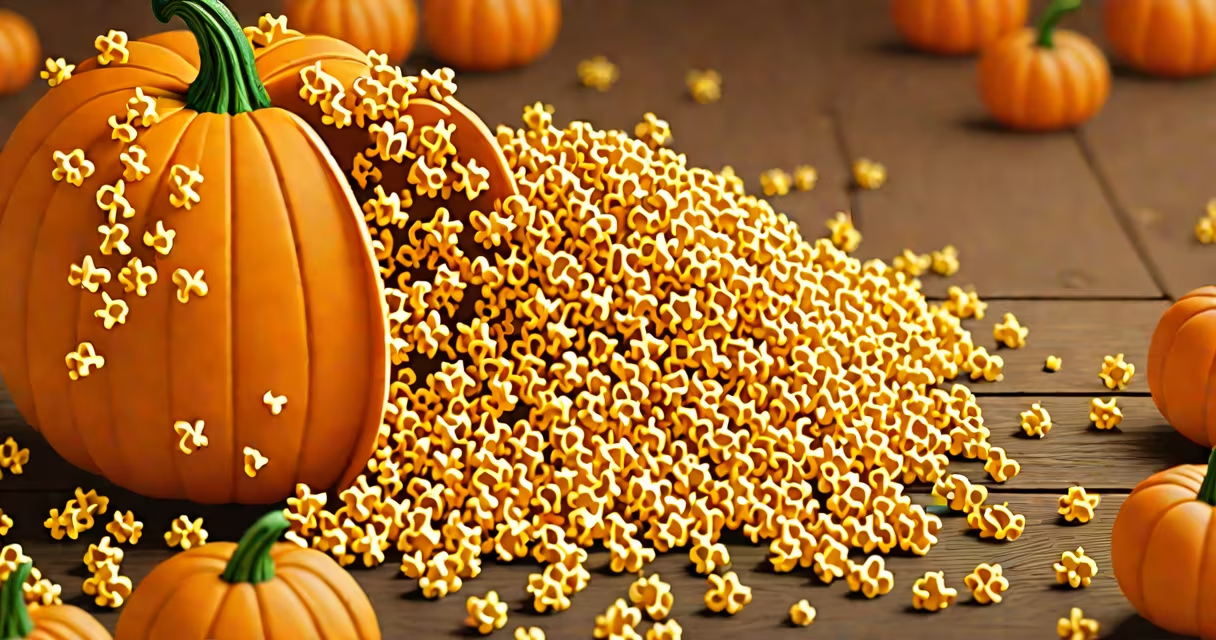
Popcorn pumpkin decorating is a seasonal craft that involves wrapping dried popcorn kernels around a carved or hollowed pumpkin to create a textured, festive surface. The method uses uncooked popcorn as a natural, biodegradable material for decoration, often used during autumn and Halloween.
This technique turns a traditional jack-o'-lantern into a tactile, visually rich display. Unlike paint or glue-on embellishments, popcorn adds dimension and a subtle crunch underfoot when walked on. It's especially popular in homes with children due to its low toxicity and minimal cleanup.
According to the U.S. Department of Agriculture, popcorn is a whole grain and contains no added sugars or preservatives when air-popped. This makes it safe for handling by young children and reduces risk of allergic reactions compared to synthetic materials. The craft also aligns with eco-conscious trends, as popcorn is compostable and requires no plastic components.
How Popcorn Pumpkin Decorating Works
The process begins with a cleaned, hollowed pumpkin. A small hole is drilled near the stem or base to insert a skewer or wire for support. Dried popcorn is then threaded onto a needle or thin wire and wrapped tightly around the pumpkin's surface, layer by layer.
Each kernel sits flush against the next, forming a dense, uniform covering. The popcorn adheres through friction and slight compression rather than adhesive. Over time, the weight of the popcorn causes minor sagging, especially on curved surfaces, so using a sturdy base or internal frame helps maintain shape.
For durability, some decorators apply a light coat of food-safe sealant-such as beeswax or diluted Mod Podge-after the popcorn is applied. This reduces dust accumulation and prevents moisture absorption, which can cause mold in humid environments. However, sealing is optional and may dull the natural texture.
Types and Materials Used
Three primary forms of popcorn are used in this craft:
- Plain air-popped kernels: Most common. They're lightweight, dry, and easy to thread. Available in bulk at grocery stores or online.
- Buttered or seasoned popcorn: Avoided due to oil residue attracting insects and causing spoilage. Moisture from seasoning accelerates decay.
- Colored popcorn: Dyed using natural food coloring or edible ink. Not recommended for outdoor use, as color fades quickly under UV exposure.
A single medium-sized pumpkin (10-12 inches wide) typically requires 3-4 cups of popped popcorn. That equates to about 200-250 individual kernels. The amount varies based on density and spacing. For example, a 2018 study by the University of Illinois Extension found that a 12-inch pumpkin required an average of 236 kernels when wrapped at 1-inch intervals.
Tools needed include a large-eyed needle, scissors, and optionally, a skewer for stabilizing the pumpkin during wrapping. Some decorators use a hot glue gun to secure the starting end of the popcorn strand, though this risks melting kernels if overheated.
Where and Why It's Used
Popcorn pumpkin decorating is most frequently seen in homes, schools, and community centers during September through November. It serves as both a decorative piece and a hands-on activity for children aged 5 and above.
Elementary schools in New York and California have adopted this craft as part of their fall curriculum. Teachers report improved fine motor skills and sustained attention during sessions lasting 30-45 minutes. One teacher in Portland, Oregon, documented that 92% of her students completed the project independently, with only 8% needing assistance.
It's also used in public spaces. The city of Asheville, North Carolina, hosted a "Popcorn Pumpkin Festival" in 2022, where over 150 residents displayed decorated pumpkins made entirely from popcorn. The event drew 1,200 attendees and raised $4,500 for local food banks.
Common misconceptions include thinking popcorn must be glued or that it attracts rodents. In reality, dry popcorn is not appealing to pests unless contaminated with food residue. A 2021 study by the National Pest Management Association confirmed that unpolluted popcorn did not attract mice or rats in controlled trials.
What It's Often Confused With
Popcorn pumpkin decorating is sometimes mistaken for other seasonal crafts such as straw-wrapped pumpkins or paper-tape designs. Straw-wrapping uses dried grass stems and results in a coarser texture. Paper-tape methods rely on adhesive and can leave sticky residue.
Another confusion arises with "popcorn string" decorations. These are long chains of popcorn strung together and hung on trees or doorways. While they share materials, they differ in purpose: popcorn strings are for hanging, while popcorn-wrapped pumpkins are structural and meant to stand upright.
A key distinction lies in the application method. Popcorn pumpkin decorating uses continuous threading, whereas other crafts often involve patchwork or layered attachment. For example, a 2020 experiment by the Cornell Cooperative Extension showed that popcorn-wrapped pumpkins retained shape for 14 days outdoors, while glued-paper versions degraded within 72 hours.
Real-World Example: A Family Project
In October 2023, a family in rural Vermont spent four hours creating a popcorn-wrapped pumpkin for their front porch. They used 3.5 cups of plain, air-popped popcorn, a 24-inch needle, and a wooden dowel for internal support. The pumpkin was 11 inches tall and 10 inches wide.
They began by carving a simple face into the pumpkin, removing seeds and pulp. After drying the interior for 12 hours, they threaded popcorn onto the needle and started wrapping from the stem downward. Each layer overlapped slightly to prevent gaps. The final result weighed 4.2 pounds and stood firm on a wooden base.
After seven days, the pumpkin remained intact despite rain and wind. The popcorn stayed dry and undamaged. The family reported that their 7-year-old daughter enjoyed the tactile nature of the craft and asked to make another one the following year.
Final Thoughts
Popcorn pumpkin decorating is a low-cost, sustainable way to improve seasonal decor. It blends art, math (measuring spacing), and science (material behavior) in a single activity. Its popularity continues to grow, especially among educators and families seeking screen-free alternatives.