
pumpkin art for kids
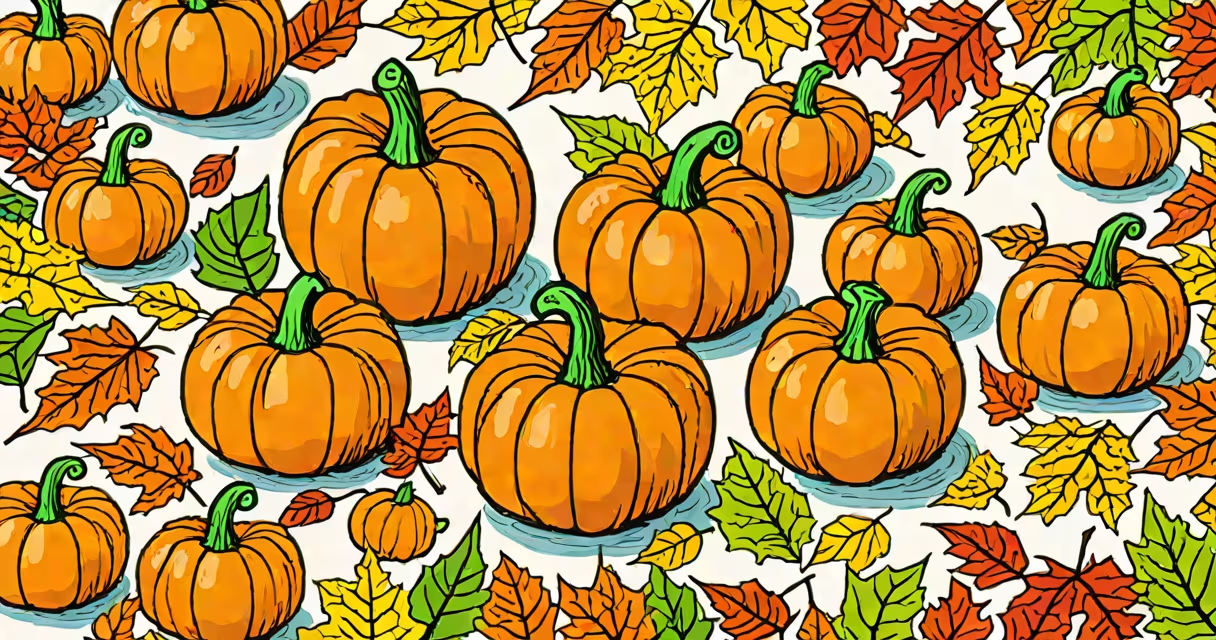
pumpkin art for kids is a seasonal craft activity using paper, paint, glue, and simple tools to create decorative or imaginative pumpkin designs. It's designed for children ages 3 to 10 and avoids real carving or sharp tools. The goal is creative expression, fine motor practice, and celebrating fall without risk.
These projects use household materials. A child draws a pumpkin outline on construction paper, then fills it with orange paint, markers, or tissue paper scraps. They may add eyes, mouths, and stems using buttons, yarn, or stickers. Finished pieces often hang on windows or doors as part of classroom or home fall displays.
Most pumpkin art for kids takes under 30 minutes. It requires no oven, no knife, and no supervision beyond basic safety checks. Teachers and parents use it to teach color mixing, shapes, and storytelling through art. Projects are often themed around Thanksgiving, Halloween, or autumn festivals.
How pumpkin art for kids works
Children start by sketching a basic pumpkin shape-a rounded oval with a stem at the top. They fill the inside with orange, yellow, or red paint, or layer colored paper cutouts. After drying, they add facial features using cotton balls, googly eyes, pipe cleaners, or buttons. Some kids draw scenes around the pumpkin: a moon, trees, or animals.
Teachers often assign themes. For example, "Pumpkin with a Hat" encourages imagination. Others focus on technique: "Use only three colors," or "Draw a face with no mouth." These constraints build problem-solving skills and attention to detail.
Projects are usually displayed together. A classroom wall becomes a "Pumpkin Parade" with 20 different faces. This builds group pride and visual literacy. Children learn to recognize differences in size, shape, and expression across peers' work.
Types of pumpkin art for kids
There are four common types, each targeting different developmental goals:
| Type | Materials | Age Range | Skills Developed |
|---|---|---|---|
| Tracing & Coloring | Paper, crayons, stencils | 3-5 years | Hand-eye coordination, color recognition |
| Paint & Texture | Acrylics, sponges, cotton swabs | 5-7 years | Brush control, material experimentation |
| Collage & Layering | Tissue paper, glue, scissors | 6-8 years | Shape composition, spatial planning |
| 3D Sculpture | Cardboard, foam balls, pipe cleaners | 7-10 years | Form creation, structural balance |
Each type supports early childhood development. Tracing helps toddlers learn to follow lines. Collage work teaches layering and planning. 3D sculptures introduce volume and weight distribution.
One non-obvious fact: Children aged 4 to 6 often draw pumpkins with exaggerated features-large eyes, wide mouths-because their brains prioritize emotional expression over realism. This isn't a mistake. It's normal cognitive development. A child who draws a grinning pumpkin with sparkles isn't being silly. They're showing joy.
Where and why it's used
Classrooms use pumpkin art for kids during October. It's part of seasonal curricula in U.S. public schools. According to the National Association for the Education of Young Children (NAEYC), seasonal art boosts engagement and cultural awareness in early learners.
Parents use it at home to reduce screen time. A 2022 study by the American Academy of Pediatrics found that children who engage in regular hands-on art activities show improved focus and emotional regulation. Pumpkin art fits this model: low cost, high impact.
Daycares and after-school programs use it as a transition tool. Before lunch or nap time, kids spend 15 minutes making a small pumpkin. The act of creating gives them a sense of accomplishment and resets energy levels.
Common misunderstandings
Many people confuse pumpkin art for kids with real jack-o'-lantern carving. Carving uses knives and candles. It's dangerous for children under 10. Pumpkin art avoids both risks entirely. It's not a substitute-it's a safer alternative.
Another misconception: that only realistic pumpkins count. In fact, abstract or cartoonish styles are encouraged. A child who draws a green pumpkin with wings and a cape is expressing creativity, not failing. The goal isn't accuracy. It's imagination.
I once watched a kindergarten class make pumpkin art during a rainy afternoon. One boy glued a tiny plastic dinosaur to his pumpkin's side. His teacher asked, "Why is the dinosaur on the pumpkin?" He said, "He's scared of the wind." That moment wasn't about art-it was about narrative thinking. The project had succeeded.
Examples and project ideas
Try this: "Pumpkin with a Story." Give each child a blank pumpkin shape and ask them to draw a scene around it. One child drew a pumpkin riding a bike through a forest. Another showed a pumpkin playing soccer with squirrels. These aren't errors-they're evidence of story development.
For a tactile version, use salt dough. Mix 2 cups flour, 1 cup salt, and 1 cup water. Roll into a ball, flatten, and press a pumpkin shape. Bake at 200°F for 2 hours. Let cool. Paint with acrylics. Add googly eyes. This lasts longer than paper versions and can be kept as a keepsake.
Another idea: "Pumpkin Shadow Art." Place a real pumpkin under a lamp. Have kids trace its shadow on paper. Then color inside the outline. This introduces light and form concepts. It's a subtle way to teach science through art.
When choosing materials, avoid glitter unless supervised. Glitter is hard to clean and can irritate skin. Use washable paints and non-toxic glue. Always check labels for age recommendations.
Final tip: Display finished work. Hang on a string across a room. Label each with the child's name and date. This validates effort and builds confidence. A child who sees their pumpkin on the wall remembers the feeling of pride.
Pumpkin art for kids is not about perfection. It's about participation, exploration, and joy. With simple supplies and clear instructions, it brings families and classrooms together during the fall season.