
Really painful periods
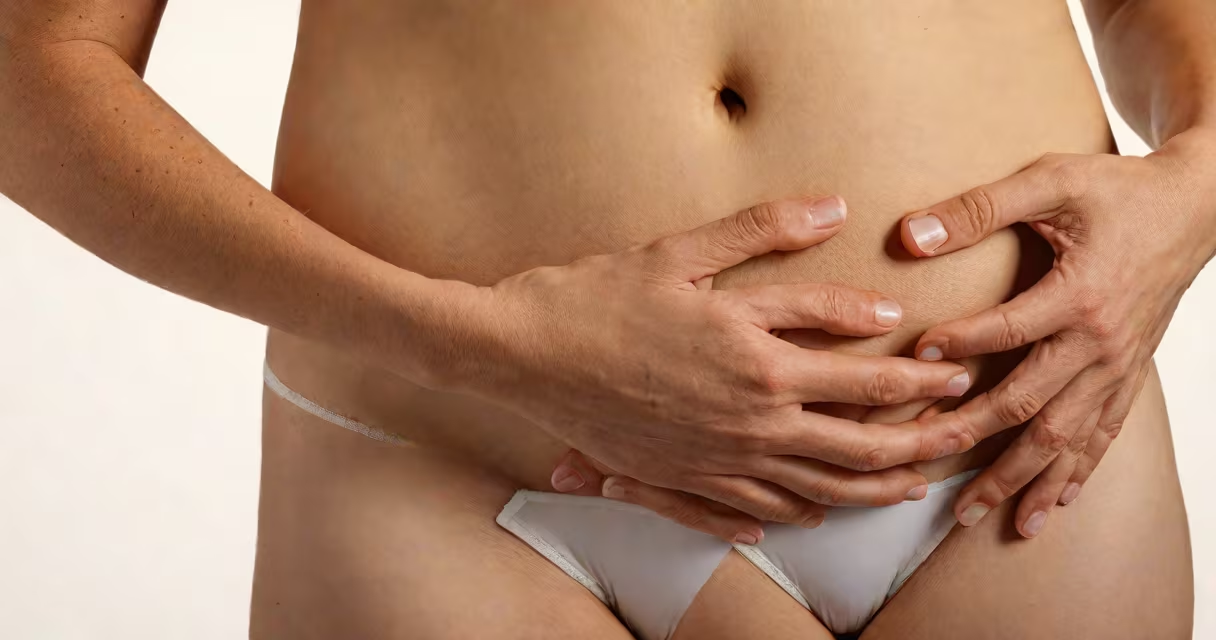
Really painful periods, medically known as dysmenorrhea, are intense abdominal cramps and pelvic pain that occur during menstruation. The pain often begins just before or at the start of bleeding and can last 12 to 72 hours. It may interfere with daily activities, cause nausea, dizziness, or fatigue. This condition affects about 15% of people who menstruate, with 10% reporting symptoms severe enough to miss school or work.
Dysmenorrhea falls into two categories: primary and secondary. Primary dysmenorrhea starts within six months to a year after menarche (first period) and occurs without underlying pelvic disease. Secondary dysmenorrhea develops later in life and is linked to conditions such as endometriosis, fibroids, or adenomyosis. The most common cause of really painful periods is prostaglandin overproduction - hormone-like substances that trigger uterine contractions during shedding of the lining.
Prostaglandins cause the uterus to contract forcefully, reducing blood flow to the area. This lack of oxygen leads to ischemia (tissue starvation), which results in sharp, throbbing pain. Levels of prostaglandins can be 50-100 times higher in people with severe menstrual pain compared to those with mild cramps. A 2022 study published in The Journal of Clinical Endocrinology & Metabolism found that elevated prostaglandin E2 levels correlated strongly with reported pain intensity.
How really painful periods work
Pain during menstruation arises from involuntary contractions of the uterine muscle layer, the myometrium. These contractions are triggered by prostaglandins released from the shed endometrial tissue. When prostaglandin levels spike, the uterus contracts more intensely and frequently. This squeezes blood vessels, cutting off oxygen supply to the uterine tissue and causing ischemic pain.
Some people experience referred pain - the sensation spreads to the lower back, thighs, or even the legs. Nausea, vomiting, diarrhea, and headaches accompany the pain in 30-40% of cases. These symptoms stem from prostaglandins affecting the gastrointestinal tract and central nervous system. A 2021 review in Frontiers in Pharmacology noted that prostaglandins can stimulate spinal cord neurons involved in pain perception, amplifying the sensation beyond the pelvis.
For context, normal menstrual cramps typically resolve with rest, heat, or over-the-counter NSAIDs. Really painful periods do not improve with these measures alone. They persist despite treatment and worsen over time in secondary cases. If pain lasts longer than three days or disrupts sleep, eating, or concentration, it signals a need for evaluation.
Types and causes of really painful periods
There are two distinct forms of dysmenorrhea, each with different origins and timelines:
| Type | Onset | Underlying Cause | Prevalence |
|---|---|---|---|
| Primary dysmenorrhea | Within 6-12 months of first period | High prostaglandin production; no structural abnormalities | Approximately 70% of cases |
| Secondary dysmenorrhea | After age 25, often worsening over time | Endometriosis, fibroids, adenomyosis, pelvic inflammatory disease | Approximately 30% of cases |
Endometriosis is the most common cause of secondary dysmenorrhea. It occurs when endometrial-like tissue grows outside the uterus - on the ovaries, fallopian tubes, or bowel. This tissue bleeds during menstruation, causing inflammation, scarring, and nerve entrapment. The American Society for Reproductive Medicine estimates that 10% of reproductive-age individuals have endometriosis, and 70% of those report severe period pain.
Fibroids - benign tumors in the uterine wall - can distort the uterus and increase pressure during contraction. Adenomyosis, where endometrial tissue invades the muscular wall, thickens the uterus and increases prostaglandin release. Both conditions lead to heavier bleeding and prolonged pain. A 2020 study in Obstetrics & Gynecology showed that women with adenomyosis had average pain scores of 7.8 out of 10, compared to 3.2 in controls.
Common misunderstandings and red flags
Many assume that "bad cramps" are normal and expected. That belief delays care. While mild cramping is common, persistent pain that limits function is not. One patient I treated described missing three days of work each cycle for five years before seeking help. She was diagnosed with stage III endometriosis after a laparoscopy. Her pain wasn't "just part of being a woman."
Another misconception is that birth control eliminates all period pain. Hormonal contraceptives reduce prostaglandin production and can ease symptoms, but they don't cure underlying conditions. People with endometriosis may still experience severe pain on the pill. A 2023 meta-analysis in BMJ Open found that 40% of patients with endometriosis continued to report moderate-to-severe pain while using combined oral contraceptives.
Red flags include pain that worsens over time, pain lasting past the third day of bleeding, or pain during sex. These suggest secondary causes. Irregular cycles, heavy bleeding (soaking through a pad every hour), or sudden onset after years of regular periods also require evaluation. Delaying care increases the risk of infertility and chronic pain syndromes.
When to seek help and what to expect
If really painful periods interfere with school, work, or social life, consult a healthcare provider. Diagnosis begins with a detailed history and physical exam. Pelvic ultrasound is often the first imaging test to detect fibroids, ovarian cysts, or structural changes. For suspected endometriosis, laparoscopy remains the gold standard - a minimally invasive procedure allowing direct visualization and biopsy of abnormal tissue.
Treatment depends on the cause. For primary dysmenorrhea, NSAIDs like ibuprofen or naproxen are first-line therapy. They inhibit prostaglandin synthesis and reduce contractions. Hormonal methods - pills, patches, IUDs - suppress ovulation and thin the endometrium, lowering prostaglandin output. A 2021 trial in The Lancet showed that the levonorgestrel-releasing IUD reduced pain scores by 60% over six months.
For secondary causes, treatment targets the root issue. Endometriosis may require surgery to remove lesions. Fibroids can be managed with medication or hysterectomy in severe cases. A 2022 study in JAMA Network Open found that early diagnosis and intervention improved quality of life and fertility outcomes in 85% of participants.