
Why Dizzy When Getting Up
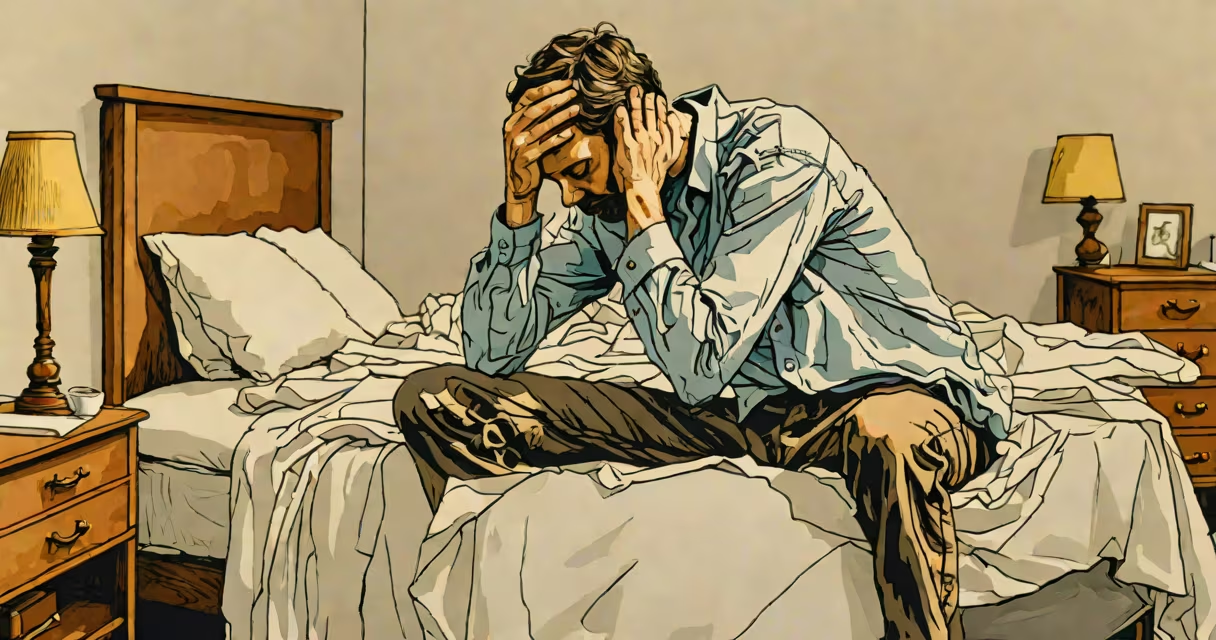
Dizziness when getting up is caused by a temporary drop in blood pressure as the body adjusts to standing, known medically as orthostatic hypotension. This happens when blood pools in the legs and brain doesn't receive enough oxygen-rich blood quickly enough.
When you stand, gravity pulls blood downward. Healthy circulation normally compensates by tightening blood vessels and increasing heart rate. But if this response is delayed or weak, blood pressure drops sharply-often within 30 seconds of rising. The result is reduced cerebral perfusion, leading to lightheadedness, blurred vision, or fainting.
The condition affects about 1 in 5 adults over 65, according to the American Heart Association. It's common in people taking medications that lower blood pressure, such as diuretics or antihypertensives. Dehydration, prolonged bed rest, or autonomic nervous system disorders can also impair the body's ability to regulate blood flow.
How It Works: The Body's Blood Pressure Response
When lying down, blood pressure is evenly distributed. Standing requires immediate adjustments: baroreceptors in the carotid arteries detect falling pressure and signal the brainstem to activate sympathetic nerves. These trigger vasoconstriction and increased heart rate to maintain blood flow to the brain.
If this reflex fails-due to age, medication, or nerve damage-the brain receives less blood. Symptoms typically appear within 10 to 30 seconds of standing. The average drop in systolic pressure is 20 mm Hg or more, which correlates strongly with dizziness risk.
A 2021 study published in Neurology found that individuals with orthostatic hypotension had a 40% higher risk of falls and fractures compared to those without. This highlights the functional impact beyond discomfort.
Types and Triggers
Orthostatic hypotension is categorized by timing and cause:
| Type | Onset | Common Causes | Example |
|---|---|---|---|
| Immediate | Within 15 seconds | Medications, dehydration, autonomic neuropathy | Starting a new blood pressure drug |
| Delayed | After 30 seconds | Volume depletion, prolonged standing | Standing for long periods at work |
| Postprandial | After eating | High-carb meals, diabetes-related nerve damage | Feeling faint after lunch |
Delayed forms often involve reduced plasma volume. After meals, blood shifts to the gut, lowering systemic pressure. People with diabetes may develop autonomic neuropathy, damaging the nerves that control blood vessel tone.
Non-orthostatic causes of dizziness upon standing include inner ear disorders like benign paroxysmal positional vertigo (BPPV), which causes spinning sensations when moving the head. BPPV is unrelated to blood pressure changes and typically resolves within minutes.
Common Confusions and Misconceptions
Many mistake dizziness when getting up for a sign of stroke. While both can cause lightheadedness, stroke-related symptoms usually include facial droop, arm weakness, or speech difficulty. Orthostatic dizziness resolves quickly when lying down and lacks neurological deficits.
Another misconception is that dizziness always signals low blood sugar. Hypoglycemia causes shakiness, sweating, and confusion-symptoms not tied to posture. Blood glucose levels below 70 mg/dL are required to trigger these signs. A fasting blood test confirms diagnosis.
Not all dizziness is due to blood pressure. The vestibular system in the inner ear detects motion and spatial orientation. Damage from infection, trauma, or aging can mimic orthostatic symptoms. Testing for nystagmus (involuntary eye movement) during head turns helps differentiate between vestibular and cardiovascular causes.
Real-World Example: A Case Study
In 2022, a 74-year-old man reported dizziness when standing from his recliner. He'd been prescribed furosemide (a loop diuretic) for mild heart failure. His standing blood pressure dropped from 130/80 mm Hg to 100/60 mm Hg within 20 seconds. Pulse rose from 70 to 95 bpm-a compensatory response.
He was advised to rise slowly, increase fluid intake, and reduce diuretic dose under supervision. Within two weeks, episodes ceased. This illustrates how medication-induced volume loss can disrupt orthostatic regulation.
As someone who once experienced this while recovering from surgery, I noticed the sensation began precisely when I stood to walk to the bathroom. I sat back down immediately and waited. The dizziness faded in under a minute. That moment taught me how quickly the body's systems can fail under stress.
When to Seek Help
Consult a doctor if dizziness occurs frequently, leads to falls, or persists despite hydration and slow rising. Diagnostic steps include tilt-table testing, where blood pressure and heart rate are monitored while lying and standing. A drop of 20 mm Hg or more in systolic pressure confirms orthostatic hypotension.
For older adults, even mild episodes increase fall risk. The National Institute on Aging reports that 1 in 3 Americans over 65 experiences a fall annually. Preventive strategies include wearing compression stockings, avoiding hot environments, and rising gradually.
Understanding why dizzy when getting up helps identify treatable causes. Most cases improve with lifestyle changes or medication adjustment. Persistent symptoms require evaluation to rule out serious underlying conditions.
Recognizing the difference between orthostatic dizziness and other types prevents unnecessary worry and ensures timely care. If you feel unsteady when standing, track your symptoms and discuss them with a healthcare provider.