
sudden chest pain and back pain
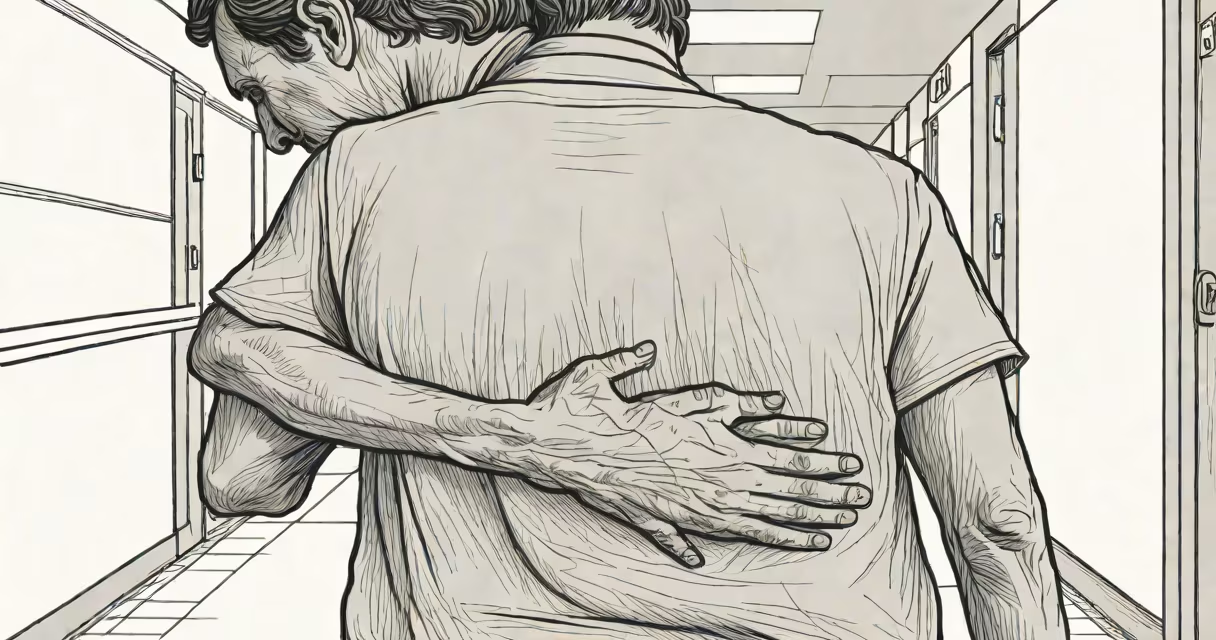
Sudden chest pain and back pain occurring together can indicate a serious underlying condition, most critically aortic dissection-a tear in the inner layer of the aorta that can rupture if untreated. This combination of symptoms demands immediate medical evaluation because delays increase mortality risk.
The aorta, the largest artery in the body, carries oxygenated blood from the heart to the rest of the body. A dissection begins when a small tear forms in the inner lining of the aorta. Blood surges through the tear, separating the layers of the vessel wall. As pressure builds, the pain often radiates from the chest to the back, typically described as sharp, tearing, or ripping in nature. The onset is abrupt-often sudden and intense-peaking within seconds.
According to the American Heart Association, aortic dissection kills about 1% of patients per hour after symptom onset if left untreated. Survival drops below 50% after 48 hours. The condition affects roughly 3 in 100,000 people annually, with men aged 60-70 most at risk. However, younger individuals with connective tissue disorders like Marfan syndrome face higher risks due to weakened arterial walls.
How It Works: The Pathophysiology
When the aortic wall separates, blood flows between the layers, creating a false lumen. This disrupts normal blood flow and can compress nearby structures. If the dissection extends into the abdominal aorta or branches supplying important organs, complications arise quickly. The pain location helps identify the dissection site: Type A (ascending aorta) causes anterior chest and upper back pain; Type B (descending aorta) leads to lower back and flank pain.
A key diagnostic clue is the difference in blood pressure between arms. In aortic dissection, one arm may have lower pressure than the other. This occurs when the dissection blocks the origin of a major branch, such as the subclavian artery. The absence of this sign doesn't rule out dissection-some cases present without pulse deficits-but its presence raises suspicion dramatically.
Imaging confirms the diagnosis. Computed tomography angiography (CTA) is the gold standard, detecting dissections with over 95% accuracy. Magnetic resonance angiography (MRA) offers similar precision and avoids radiation exposure, though it takes longer. Ultrasound is used in emergencies when CT is unavailable, but sensitivity varies based on operator skill.
Types and Common Misdiagnoses
Dissections are classified by the Stanford system:
| Type | Location | Pain Pattern | Urgency |
|---|---|---|---|
| Type A | Ascending aorta | Chest and upper back; often described as "ripping" | Emergency surgery required |
| Type B | Descending aorta | Lower back, flanks, or abdomen | May be managed medically first; surgical intervention if complications arise |
Many patients initially receive a misdiagnosis. A 2021 study in JAMA Internal Medicine found that nearly 30% of aortic dissection cases were incorrectly diagnosed as musculoskeletal pain, gastroesophageal reflux, or anxiety during initial presentation. Patients often report being told they "just pulled a muscle" or "have stress." These errors delay treatment and increase mortality.
One common confusion is with myocardial infarction (heart attack). While both involve sudden chest pain, heart attacks typically cause pressure or squeezing sensations in the center of the chest, often radiating to the left arm or jaw. Back pain is less prominent. In contrast, aortic dissection pain frequently starts in the back and moves forward, or begins simultaneously in both areas.
Non-Life-Threatening Causes
Not all sudden chest and back pain stems from vascular emergencies. Musculoskeletal strain, costochondritis (inflammation of rib cartilage), and pleuritis (lung lining inflammation) can mimic dissection. These conditions usually worsen with movement, deep breathing, or coughing. Pain tends to localize to one spot and may improve with rest or anti-inflammatory medication.
Another frequent misattribution is anxiety. Panic attacks can produce chest tightness, shortness of breath, and even referred pain to the back. However, anxiety-related pain rarely lasts more than 10 minutes and lacks the explosive onset seen in dissection. The pain from panic attacks often resolves with breathing techniques or reassurance. In contrast, dissection pain persists and intensifies over time.
I once saw a patient in the emergency department who reported sudden back pain radiating to his chest after lifting heavy boxes. He had no history of hypertension, but his blood pressure was 180/110 mmHg. An echocardiogram revealed a Type A dissection. He underwent emergency surgery and survived. His initial diagnosis was "muscle strain"-a delay that nearly cost him his life.
What to Do If You Experience Sudden Chest and Back Pain
If you or someone else experiences sudden, severe chest and back pain-especially if it feels like a tearing sensation-call emergency services immediately. Do not drive yourself. Time is critical. The window for effective treatment is narrow.
Emergency teams prioritize ruling out aortic dissection using rapid imaging. If confirmed, surgical repair is initiated within hours. For Type B dissections, medications like beta-blockers and antihypertensives are used to reduce aortic wall stress while monitoring for progression.
Prevention focuses on managing risk factors. Hypertension is the leading contributor-nearly 70% of dissection patients have uncontrolled high blood pressure. Regular screening for genetic conditions like Marfan syndrome or Ehlers-Danlos syndrome is advised for those with family histories of early aortic events.
Recognizing sudden chest pain and back pain as potentially life-threatening is not about fear-it's about action. Early identification saves lives. If symptoms occur, treat them as a medical emergency until proven otherwise.