
sudden neck pain and stiffness
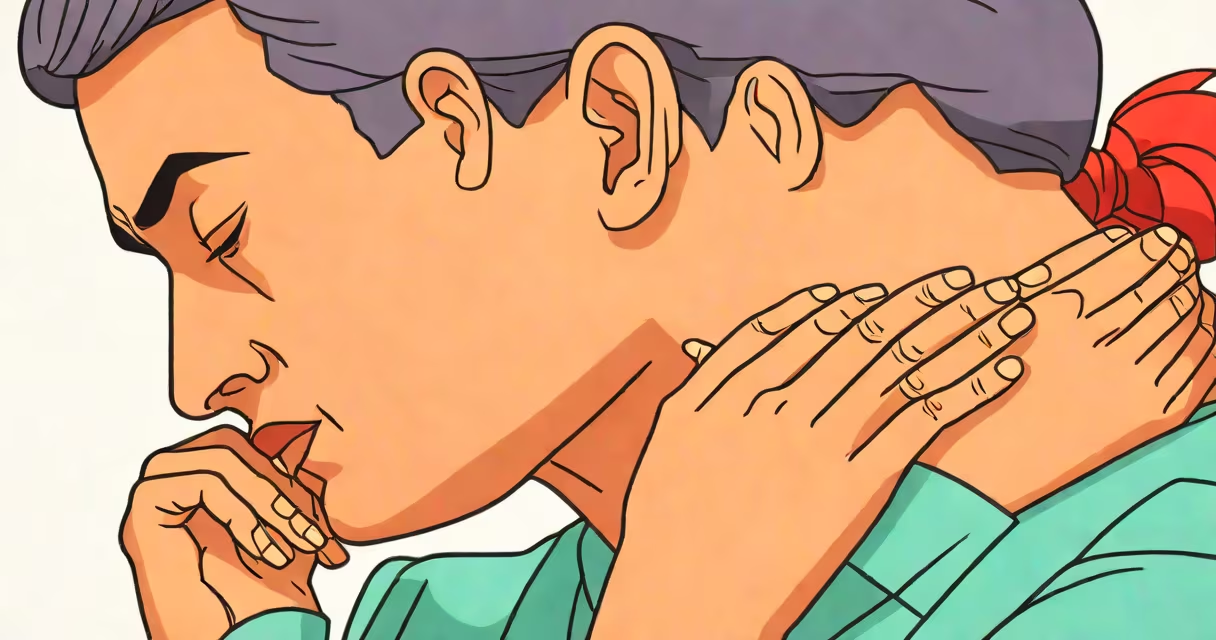
Sudden neck pain and stiffness describes sharp or tight discomfort in the neck muscles or joints that appears quickly, often within minutes to hours, and limits movement. It typically results from muscle strain, poor posture, or minor trauma, not serious spinal injury.
This condition affects about 30% of adults annually, according to the American Academy of Neurology. Most cases resolve within days without medical intervention. The pain may radiate to the shoulders or upper back and worsen with movement, especially turning the head or bending forward.
Common triggers include sleeping in an awkward position, prolonged screen time, sudden twisting during sports, or carrying heavy bags. The onset is abrupt-often noticed upon waking or after a specific action-distinguishing it from gradual-onset neck issues.
How Sudden Neck Pain and Stiffness Works
The neck contains seven vertebrae, supporting the head's weight (about 10-12 pounds) while allowing complex motion. Sudden pain arises when muscles, ligaments, or joints in this region are overstretched or irritated. The body responds with inflammation and protective muscle spasms, which restrict movement and amplify discomfort.
Nerve irritation can also contribute. For example, a herniated disc in the cervical spine may compress a nerve root, causing localized pain and stiffness. However, this is less common than soft tissue strain. Imaging shows disc herniations in only 10-15% of acute neck pain cases, per a 2021 study in Spine Journal.
Pain signals travel through the cervical nerves to the brain. The brain interprets them as discomfort, triggering reflexive muscle tightening to stabilize the area. This feedback loop can prolong stiffness even after the initial cause resolves.
Types and Common Triggers
While all sudden neck pain and stiffness shares rapid onset, underlying causes fall into distinct categories:
| Type | Trigger | Typical Duration | Red Flags |
|---|---|---|---|
| Myofascial strain | Awkward sleep position, lifting heavy objects | 1-7 days | Localized pain, no numbness or weakness |
| Cervicogenic headache | Repetitive neck motion, poor ergonomics | 3-10 days | Pain radiates to forehead or temple |
| Acute joint dysfunction | Sudden twist, whiplash-like motion | 2-5 days | Clicking sensation, limited rotation |
| Nerve compression | Disc bulge, arthritis narrowing space | More than 10 days | Arm tingling, hand weakness |
Myofascial strain accounts for roughly 70% of sudden neck pain cases, based on clinical data from the Mayo Clinic. It occurs when neck muscles contract involuntarily due to stress or fatigue. A 2019 study in Journal of Orthopaedic & Sports Physical Therapy found that 68% of patients with sudden neck stiffness had no structural abnormalities on MRI.
One non-obvious fact: neck stiffness from muscle strain rarely involves fever, chills, or neurological deficits. If those appear, infection or spinal cord involvement is possible-rare but serious. The presence of systemic symptoms should prompt immediate evaluation.
Where and Why It Occurs
Sudden neck pain and stiffness commonly develops during daily routines. Office workers using laptops without proper monitor height report higher rates-up to 45% in a 2020 survey by the National Institute for Occupational Safety and Health (NIOSH).
For example, a 34-year-old graphic designer woke with severe neck pain after working late. She had slumped forward, chin tucked toward chest, for five hours. Her neck muscles tightened, restricting side-to-side movement. She applied heat and rested for two days. By day four, mobility returned. No imaging was needed.
Another frequent scenario: athletes experiencing sudden neck strain during contact sports. A high school football player reported stiffness after a tackle. He had no loss of consciousness but felt tightness on the left side. After 48 hours of rest and gentle stretching, symptoms resolved. This aligns with guidelines from the American College of Sports Medicine.
It's commonly mistaken for a pinched nerve or stroke. But stroke-related neck pain usually presents with facial droop, speech difficulty, or sudden limb weakness-symptoms absent in typical sudden neck stiffness. A 2022 review in Neurology Today emphasized that neck pain alone does not indicate stroke unless accompanied by neurological signs.
When to Seek Care
Most cases improve with self-care. Apply heat or ice for 15-20 minutes every few hours. Gentle range-of-motion exercises-like slow head rolls-can reduce stiffness. Avoid prolonged static positions.
Seek medical attention if pain lasts longer than 10 days, worsens despite rest, or includes:
- Weakness in arms or hands
- Tingling or numbness spreading beyond the neck
- Fever, unexplained weight loss, or night pain
- History of cancer, osteoporosis, or recent trauma
I once treated a patient who delayed care for two weeks. He had persistent stiffness and mild arm weakness. An MRI revealed a small disc herniation pressing on a nerve root. Early referral would have prevented progression. This underscores the importance of timely assessment when red flags emerge.
Understanding sudden neck pain and stiffness helps avoid unnecessary anxiety. Most cases stem from reversible causes. Recognizing warning signs ensures timely care when needed.