
Types of Phishing
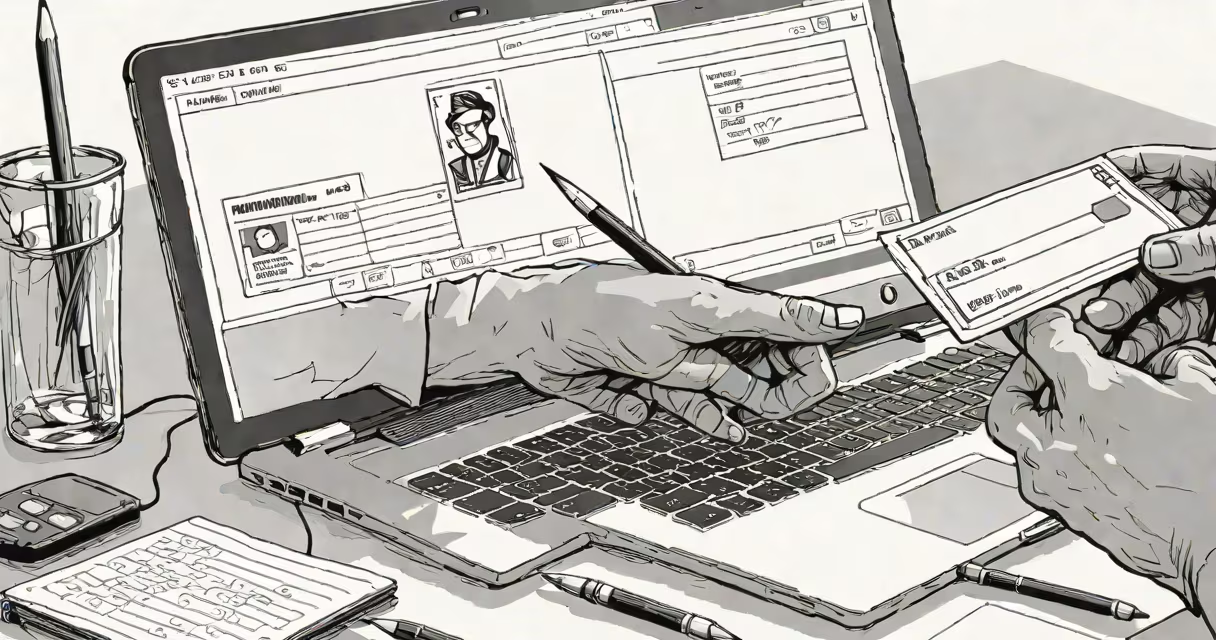
Types of phishing refer to distinct categories of cyberattacks that use deceptive emails, messages, or websites to steal login credentials, financial data, or personal information. These attacks mimic trusted entities like banks, tech companies, or colleagues to trick users into taking harmful actions.
Phishing relies on psychological manipulation rather than technical exploits. Attackers craft messages that feel urgent, familiar, or authoritative to bypass user skepticism. The most common types include email phishing, spear phishing, whaling, clone phishing, smishing, and vishing. Each varies in scale, targeting precision, and method of delivery.
How Types of Phishing Work
Phishing begins with a message designed to look legitimate-a fake invoice, a password reset notice, or a "congratulations, you've won" alert. The message includes a link or attachment that leads to a malicious site or downloads malware. Once engaged, the victim may enter their username and password, which attackers capture in real time.
Attackers often use domain spoofing to make sender addresses appear trustworthy. For example, an email claiming to come from "[email protected]" might actually originate from "[email protected]," using a similar-looking character ('1' instead of 'l'). This visual mimicry exploits human pattern recognition failures.
A 2023 report by the Anti-Phishing Working Group (APWG) found that 65% of phishing sites were hosted on compromised websites rather than newly registered domains. This tactic increases credibility and evades detection by security filters that rely on domain reputation.
Common Types of Phishing
Understanding the differences between types of phishing helps organizations tailor defenses. Below are the primary categories, their characteristics, and real-world examples.
| Type | Target | Method | Example |
|---|---|---|---|
| Email phishing | General public | Bulk emails with generic messages | "Your account will be suspended-click here to verify." |
| Spear phishing | Specific individuals or roles | Personalized messages using known details | "Hi Sarah, your manager asked me to send the Q3 budget file." |
| Whaling | High-value targets (executives) | Highly tailored messages mimicking board communications | "Urgent: Share your 2024 shareholder report by EOD." |
| Clone phishing | Users who previously opened a legitimate email | Replica of a real email with a malicious link | "Re-sending your order confirmation-click to view." |
| Smishing | Mobile phone users | Text messages with urgent links | "Your SIM card is blocked-tap to reactivate." |
| Vishing | Phone call recipients | Voicemail or live caller impersonating support | "This is Microsoft Security-we've detected unusual activity." |
Each type leverages different trust cues. Email phishing casts a wide net-often with poor grammar or mismatched logos-to catch low-effort victims. Spear phishing and whaling require research: attackers gather employee names, job titles, and internal communication styles from LinkedIn or company websites.
Clone phishing exploits familiarity. A user receives a real email about a purchase. Later, they get a nearly identical version with a modified link. Because the sender and subject match, the user assumes it's safe. The original email is often deleted or archived, making verification difficult.
Where and Why Types of Phishing Are Used
Phishing remains effective because people still click. According to Verizon's 2023 Data Breach Investigations Report, 74% of breaches involved social engineering, with phishing as the top method. Attackers use it to gain initial access to networks, deploy ransomware, or steal intellectual property.
Small businesses are especially vulnerable. A 2022 study by the National Cybersecurity Alliance found that 43% of small firms experienced a phishing attack in the past year. Many lack dedicated IT staff or multi-factor authentication (MFA), making credential theft easier.
One incident involved a law firm whose HR department received a fake email from a "CEO" requesting urgent wire transfers. The message used the CEO's name, signature, and even a photo from the company website. After transferring $120,000, the firm discovered the sender was using a spoofed address and a cloned image. This was a classic whaling attack.
Common Confusions and Corrections
Many assume all phishing is email-based. That's incorrect. Smishing and vishing demonstrate that phishing extends beyond digital mail. Text messages and phone calls carry equal risk-especially when attackers use AI-generated voices to mimic real people.
Another misconception is that phishing only targets individuals. In reality, entire organizations are compromised through a single employee's mistake. A 2021 breach at a U.S. healthcare provider began when a nurse clicked a phishing link in a fake "CDC update" email. The attacker gained access to patient records and later sold them on the dark web.
Some confuse phishing with malware distribution. While both are cyber threats, phishing is about deception. Malware requires execution or download. Phishing delivers the payload via a link or attachment-without requiring user interaction beyond clicking.
I once tested a simulated spear phishing campaign for a client. We created a message that appeared to come from the finance team, referencing a recent project. The message included a fake "expense form" with a malicious macro. Of 120 employees, 18 opened the attachment. Only 5 recognized the red flags. This showed how easily even trained staff fall for well-crafted attacks.
Defenses Against Types of Phishing
Effective protection combines technology and training. Email filtering tools like Microsoft Defender for Office detect suspicious domains and block known phishing patterns. They analyze sender reputation, URL behavior, and content similarity to known threats.
Multi-factor authentication (MFA) stops most credential theft. Even if attackers obtain passwords, MFA prevents account access without a second factor-like a code sent to a mobile device. Google reported that enabling MFA blocks 99.9% of automated account takeover attempts.
Security awareness training reduces click rates. Organizations that run monthly phishing simulations see a 50% drop in successful attacks over 12 months. Training should focus on recognizing urgency tactics, verifying sender addresses, and reporting suspicious messages.
When a user reports a phishing attempt, IT teams can quickly isolate and investigate. The APWG tracks over 1 million new phishing sites monthly. Rapid reporting allows blocking before widespread damage occurs.
Understanding types of phishing is not about memorizing categories-it's about recognizing patterns. A message asking for immediate action, using vague language, or demanding personal data is a red flag. Always verify requests through a separate channel.