
Left Side Abdomen Swelling
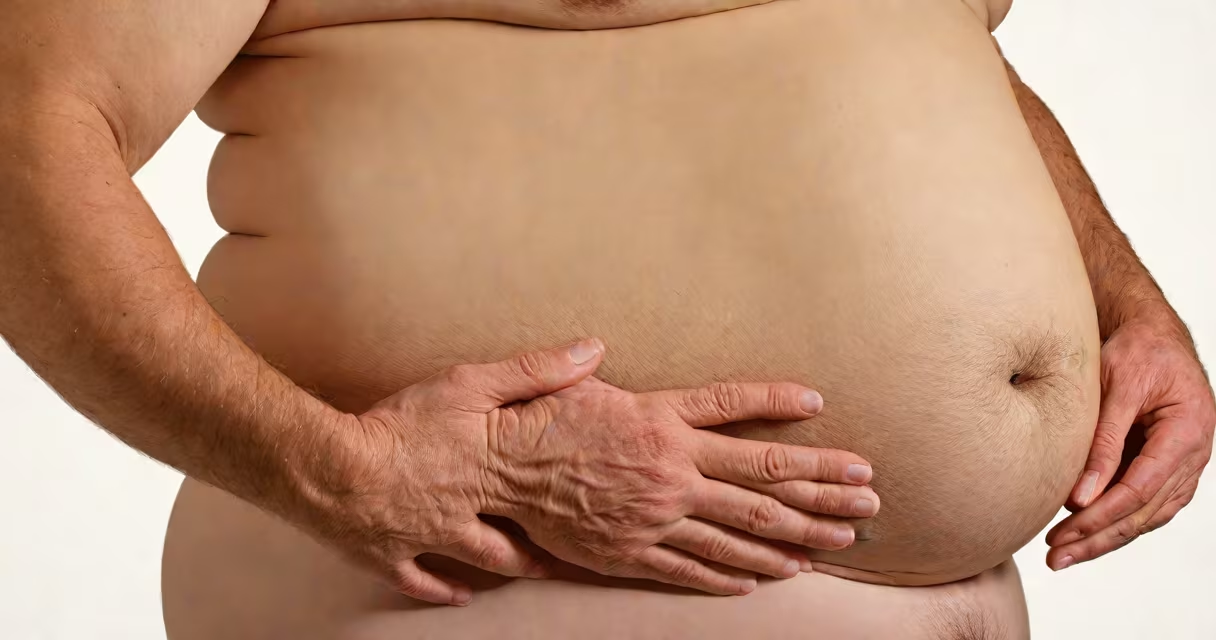
Left side abdomen swelling refers to visible or palpable enlargement on the left lower quadrant of the abdomen, often due to underlying conditions such as hernias, organ enlargement, or fluid accumulation. It may appear suddenly or develop gradually and is not normal unless linked to known physiological changes like pregnancy.
Swelling on the left side of the abdomen typically arises from structures located in the left lower quadrant: the descending colon, sigmoid colon, part of the small intestine, the left kidney, and the left ovary in women. When tissue or fluid accumulates in or around these organs, it can create a noticeable bulge. This swelling may be soft, firm, tender, or painless depending on the cause.
According to the American College of Gastroenterology, abdominal swelling is a frequent reason for outpatient visits, with approximately 1 in 6 patients presenting with visible or palpable abdominal distension. Not all swelling requires urgent attention, but persistent or worsening swelling demands evaluation to rule out serious conditions.
How Left Side Abdomen Swelling Develops
Swelling occurs when volume increases in a confined space-the abdominal cavity. The body cannot absorb excess fluid or tissue growth quickly enough, leading to outward displacement of the abdominal wall. This process may result from mechanical pressure, inflammation, or structural failure.
For example, a left inguinal hernia develops when part of the intestine pushes through a weak spot in the abdominal wall near the groin. As the hernia grows, it creates a soft, often reducible lump on the left side of the lower abdomen. The swelling may disappear when lying down and reappear with straining or standing.
Another mechanism involves fluid buildup. Ascites-fluid accumulation in the peritoneal cavity-is often associated with liver disease, heart failure, or cancer. While ascites tends to affect the entire abdomen, early stages may present as asymmetrical swelling, particularly on the left side if there's a localized leak or obstruction.
Common Causes and Types
Conditions causing left side abdomen swelling fall into several categories: structural defects, organ pathology, fluid disorders, and systemic diseases. The following table outlines key causes with distinguishing features.
| Condition | Key Features | Typical Age Group | Diagnostic Clue |
|---|---|---|---|
| Left inguinal hernia | Soft, reducible bulge; worsens with coughing or lifting | Adults, especially men over 40 | Can be pushed back into abdomen; may have a "gurgling" sound |
| Sigmoid diverticulitis | Painful swelling in lower left abdomen; fever common | Over 50 | CT scan shows inflamed diverticula and abscess formation |
| Ovarian cyst (women) | Slow-growing, may be painful; unilateral | Reproductive age | Ultrasound confirms fluid-filled mass; size >5 cm raises concern |
| Colon cancer | Progressive swelling; weight loss, change in bowel habits | Over 50 | Colonoscopy reveals tumor; biopsy confirms diagnosis |
| Renal cyst or hydronephrosis | Deep, constant ache; swelling may be felt during palpation | Any age, higher risk with family history | Ultrasound or CT shows enlarged kidney or fluid-filled structure |
One underappreciated cause is mesenteric lymphadenopathy-swelling of lymph nodes in the intestinal lining. This condition is often mistaken for appendicitis or diverticulitis. A study published in Annals of Internal Medicine found that 12% of patients initially diagnosed with acute abdominal pain had lymph node swelling as the primary issue, not infection or obstruction.
When It's Not What You Think
Many people assume left side abdomen swelling always signals a hernia or cancer. That's incorrect. Swelling can also stem from benign conditions like constipation, bloating from gas, or even muscle strain. However, these typically resolve within hours to days and don't persist or grow.
A common error is confusing swelling from a lipoma-a fatty tumor- with internal organ issues. Lipomas are slow-growing, soft, and movable under the skin. They're harmless but can mimic deeper swelling. A physical exam and imaging distinguish them from intra-abdominal masses.
During a clinical visit, I once saw a patient who believed her left-sided swelling was cancer. She'd lost 10 pounds in six weeks and reported fatigue. Imaging revealed a large left-sided ovarian cyst, not malignancy. After surgical removal, her symptoms resolved. This case illustrates why self-diagnosis based on appearance alone is unreliable.
When to Seek Medical Care
Seek immediate evaluation if swelling is accompanied by:
- Severe or worsening pain
- Fever or chills
- Inability to pass stool or gas
- Nausea or vomiting
- Sudden onset of swelling with redness or warmth
These signs suggest complications like bowel obstruction, infection, or a strangulated hernia-conditions requiring prompt treatment. The American Society of Colon and Rectal Surgeons notes that delayed intervention in incarcerated hernias leads to a 30% risk of bowel necrosis.
Do not ignore swelling that appears unexplained, especially if it's new, asymmetric, or associated with systemic symptoms. Early detection improves outcomes. For example, colorectal cancer detected at stage I has a 90% five-year survival rate, according to the National Cancer Institute.
Left side abdomen swelling is not a single disease-it's a symptom. Identifying the root cause requires clinical judgment, testing, and sometimes specialist referral. Understanding the difference between harmless bloating and a concerning mass is critical. If in doubt, see a doctor.