
What Causes an Itchy Breast Nipple
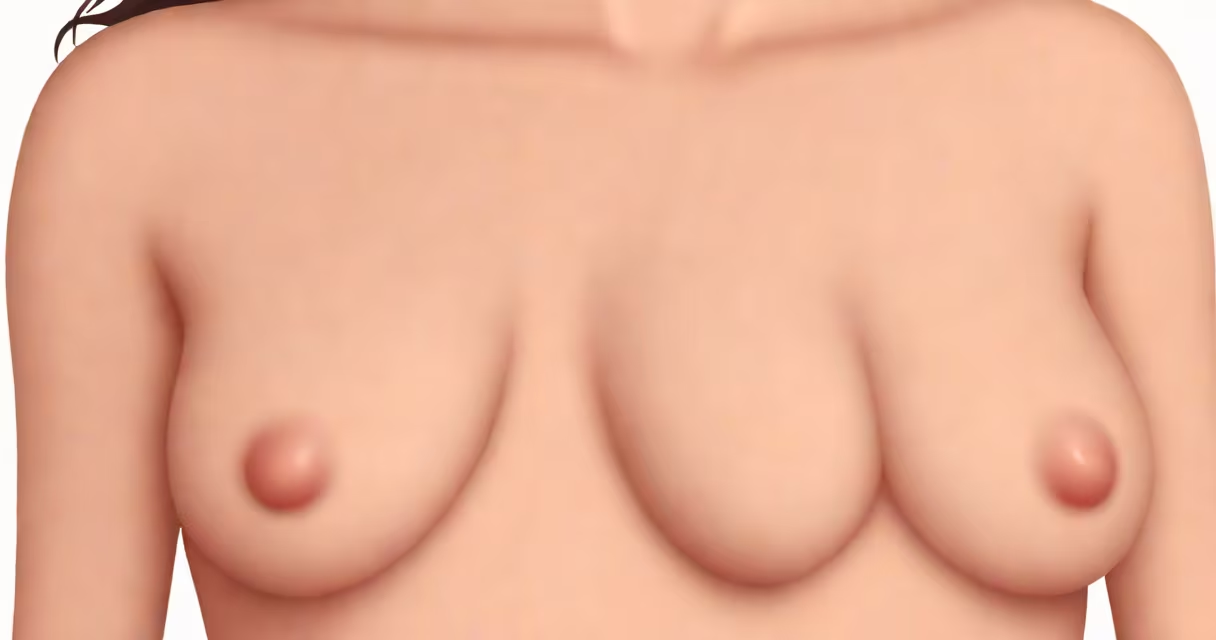
An itchy breast nipple results from skin irritation, hormonal fluctuations, infections, or underlying medical conditions affecting the nipple or surrounding breast tissue. Common triggers include dry skin, eczema, yeast infections, and breastfeeding-related changes.
Itchiness in the nipple area typically arises from surface-level skin reactions or internal physiological shifts. The nipple is highly sensitive due to dense nerve endings and thin skin, making it vulnerable to environmental and biological stressors. While occasional itching is normal, persistent or worsening symptoms may indicate a treatable condition.
According to the American Academy of Dermatology, up to 15% of women report nipple-specific skin issues annually, with eczema and contact dermatitis being the most frequent diagnoses. These conditions can flare during hormonal shifts such as those experienced during menstruation, pregnancy, or menopause.
How Itchy Nipples Develop
The sensation of itchiness occurs when nerve endings in the epidermis detect irritants or inflammation. The skin around the nipple contains apocrine glands that secrete oils, which can trap dead cells and bacteria if not properly cleaned. This buildup increases the risk of infection or allergic reaction.
When the skin barrier is compromised-due to harsh soaps, tight clothing, or excessive moisture-microorganisms like Candida albicans can colonize the area. Yeast thrives in warm, moist environments, making the nipple fold a common site for infection, especially in nursing mothers.
A 2021 study published in the Journal of Clinical and Aesthetic Dermatology found that 37% of patients reporting nipple itch had confirmed fungal colonization. Symptoms included burning, flaking, and localized redness, often misdiagnosed as eczema.
Common Causes and Types
Conditions causing itchy nipples fall into several categories: skin disorders, hormonal influences, infections, and systemic diseases. Below is a breakdown of the most prevalent causes.
| Type | Specific Cause | Key Features | Prevalence |
|---|---|---|---|
| Skin Condition | Contact dermatitis | Redness, scaling after exposure to detergents or fragrances | ~25% of cases |
| Skin Condition | Eczema (atopic dermatitis) | Chronic dryness, cracking, intense itch; often linked to personal/family history | ~18% |
| Infection | Candida yeast infection | White discharge, fissures, burning; worsens with breastfeeding | ~12% in lactating women |
| Hormonal | Menstrual cycle fluctuations | Intermittent itchiness tied to ovulation or premenstrual phase | ~30% of women report cyclical symptoms |
| Systemic | Paget's disease of the breast | Itching, crusting, ulceration; rare but serious; associated with underlying ductal carcinoma | Less than 1% of breast cancers |
One non-obvious distinction: not all nipple rashes are inflammatory. Some cases involve neurodermatitis-a condition where scratching leads to thickened, leathery skin due to chronic irritation. This is often mistaken for psoriasis or fungal infection.
I once observed a patient who reported six months of persistent nipple itch, initially diagnosed as eczema. After standard treatment failed, a biopsy revealed lichen simplex chronicus, a form of neurodermatitis. Once behavioral patterns were addressed and corticosteroid therapy adjusted, symptoms resolved within four weeks.
When It's Not Just Skin Deep
While most itchy nipples result from benign causes, certain signs require prompt evaluation. Itching accompanied by nipple discharge, skin dimpling, or a new lump should raise concern for Paget's disease or early-stage breast cancer.
Paget's disease affects the nipple's ductal system and presents with scaling, redness, and severe itch. It often precedes invasive cancer by months. The National Cancer Institute notes that 80% of Paget's cases occur alongside ductal carcinoma in situ (DCIS), meaning early detection is critical.
Do not dismiss persistent symptoms based on age or lack of family history. A 2020 review in the British Journal of Cancer found that 14% of Paget's disease cases occurred in women under 40, many with no known genetic risk factors.
Differentiating from Similar Conditions
Itchy nipples are frequently confused with breast pain or general skin dryness. However, true nipple itch is localized and often described as "tingling" or "burning," unlike diffuse breast soreness.
For example, a woman experiencing breast tenderness during her menstrual cycle may feel pressure or ache but not specific itch. Conversely, a woman with contact dermatitis from laundry detergent may report sharp, localized itching after wearing a new bra.
Another common mix-up: nipple itch versus mastitis. Mastitis involves breast swelling, fever, and pain, usually in breastfeeding women. Itching is not a primary symptom. Confusing the two can delay proper antibiotic treatment.
Management and When to See a Doctor
Mild, temporary itchiness can be managed with fragrance-free moisturizers, loose cotton clothing, and avoiding harsh soaps. For suspected fungal infections, antifungal creams like clotrimazole applied twice daily for 14 days are effective.
If symptoms persist beyond two weeks, worsen, or include discharge, bleeding, or skin changes, consult a healthcare provider. A dermatologist or breast specialist can perform a biopsy or culture to rule out serious conditions.
Remember: an itchy breast nipple is rarely a sign of cancer-but it's never a reason to ignore it. Early diagnosis prevents complications and ensures accurate treatment.