
What Age Does Psoriasis Start
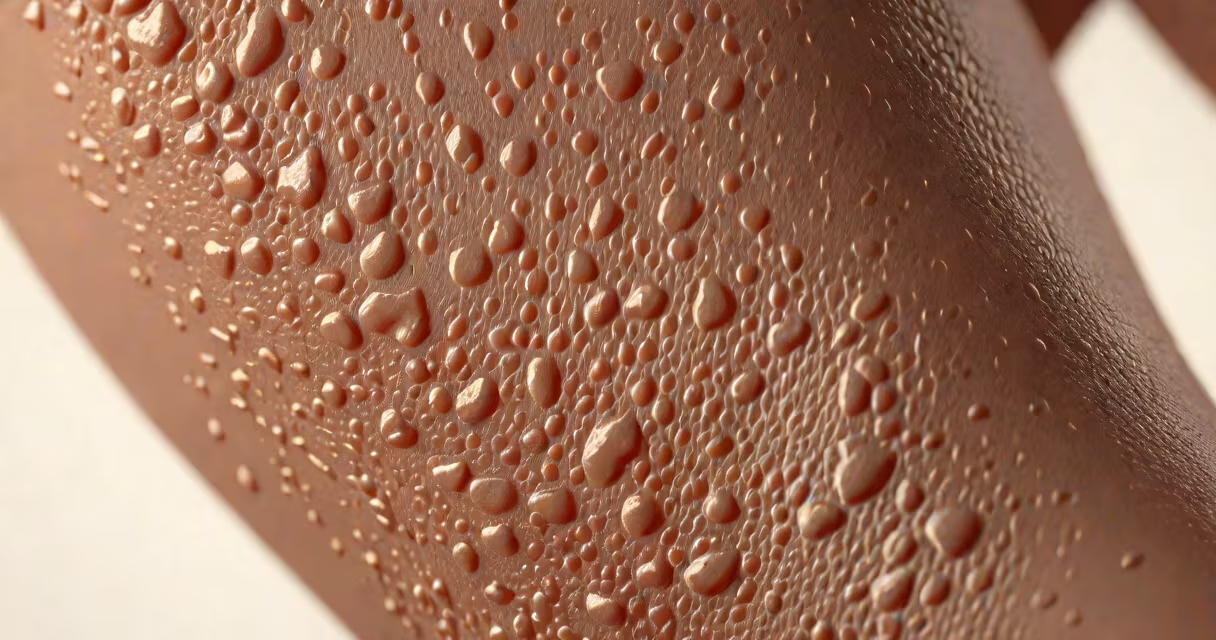
Psoriasis most commonly begins between ages 15 and 35, but it can develop at any age, including infancy and late adulthood. The condition arises when immune cells trigger rapid skin cell turnover, forming thick, scaly patches. Onset before age 40 often indicates a stronger genetic component.
Psoriasis results from immune system dysregulation, not poor hygiene or infection. It occurs when T-cells mistakenly attack healthy skin cells, accelerating their growth cycle from days to hours. This leads to the buildup of dead skin cells that form visible lesions. The most common form, plaque psoriasis, appears as red, raised patches covered in silvery scales.
Genetic predisposition plays a major role. About 40% of people with psoriasis have a family history of the condition. Variants in the HLA-C*06:02 gene increase risk. Environmental triggers such as stress, infections, trauma, and certain medications can activate symptoms in genetically susceptible individuals.
Typical Onset Ages and Patterns
Most cases of psoriasis begin during adolescence or young adulthood. The peak incidence occurs between ages 20 and 30. A second smaller peak happens in adults aged 50 to 60. These two waves reflect distinct biological pathways.
Early-onset psoriasis (before age 40) is strongly linked to HLA-C*06:02. People with this variant often develop plaque psoriasis and may experience more severe disease. They also tend to have earlier symptom onset and higher rates of joint involvement (psoriatic arthritis).
Later-onset psoriasis (after age 50) is less likely to be associated with HLA-C*06:02. It often presents as inverse or guttate psoriasis and may be triggered by metabolic conditions like obesity or hypertension. Treatment response can differ based on age of onset.
| Onset Age Group | Common Type | HLA-C*06:02 Link | Typical Triggers |
|---|---|---|---|
| Under 15 | Guttate or plaque | Strong | Streptococcal infections |
| 15-35 | Plaque dominant | Strong | Stress, trauma, smoking |
| 36-50 | Plaque or inverse | Moderate | Weight gain, medication |
| Over 50 | Inverse or plaque | Weak | Metabolic syndrome, aging |
When It Starts vs. When It's Diagnosed
Many people experience symptoms for years before receiving a formal diagnosis. A 2021 study published in JAMA Dermatology found that the average delay between symptom onset and diagnosis was 5.3 years. Some patients see multiple providers before the correct diagnosis is made.
Early signs like small, scaly patches on elbows or knees are often misdiagnosed as eczema or fungal infections. Guttate psoriasis-small, drop-like lesions-can resemble ringworm. Misdiagnosis delays effective treatment and increases risk of joint damage.
One patient I evaluated had mild scaling on his scalp and behind his ears since age 14. He was treated for seborrheic dermatitis for seven years. Only after worsening nail changes and new plaques on his lower legs did he receive a biopsy confirming psoriasis. The delay meant he developed early psoriatic arthritis.
Key Distinctions and Common Misconceptions
Psoriasis is not contagious. It cannot be spread through touch, shared towels, or close contact. The misconception persists because of visible skin changes and public misunderstanding of autoimmune conditions.
Some assume psoriasis only affects older adults. In reality, nearly 10% of cases begin before age 10. A 2020 review in British Journal of Dermatology reported that childhood psoriasis is associated with higher rates of depression and school absenteeism. Early diagnosis improves outcomes and reduces psychosocial burden.
Another error is equating severity with age of onset. While early-onset psoriasis tends to be more aggressive, not all young patients have severe disease. Conversely, late-onset cases can be mild or stable for decades. Disease course varies widely even within the same age group.
Why Timing Matters for Management
Age of onset influences treatment choice. Biologics like adalimumab and ustekinumab are preferred for moderate-to-severe psoriasis in younger patients due to high efficacy and long-term safety data. Topical therapies remain first-line for mild cases regardless of age.
Patients under 40 with early-onset disease are more likely to develop psoriatic arthritis. The American College of Rheumatology recommends screening for joint symptoms in this group. Delayed diagnosis increases irreversible joint damage risk.
A 32-year-old woman with chronic plaque psoriasis since age 22 developed hip pain. MRI revealed early sacroiliitis. She began secukinumab therapy and achieved clear skin and normal joint function within six months. Her outcome highlights the importance of early intervention based on onset pattern.
Understanding when psoriasis starts helps predict disease behavior, guide testing, and select appropriate treatments. Early recognition and accurate diagnosis improve quality of life and reduce long-term complications.