
What Is a Mummy
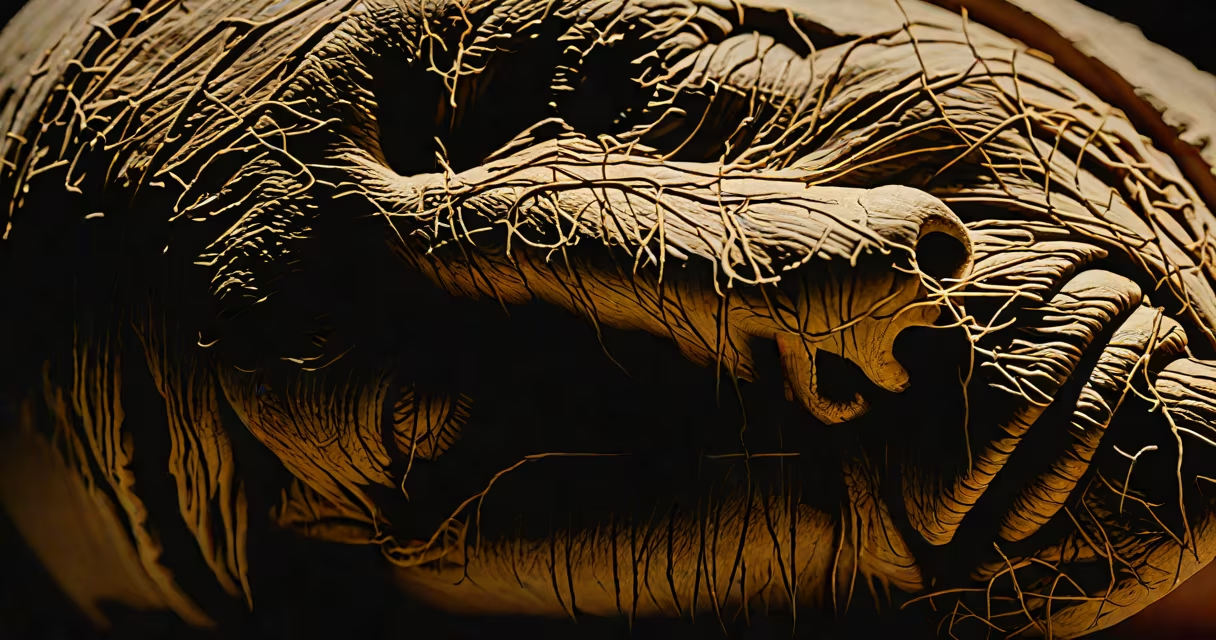
A mummy is a human or animal body preserved through intentional or natural processes, retaining soft tissues and often facial features long after death. The term most commonly refers to ancient Egyptian corpses treated with embalming and wrappings to prevent decay.
Mummification was central to ancient Egyptian religious beliefs. They believed the soul required a recognizable body to return to during the afterlife. The process began within hours of death, with internal organs removed through a cut in the left side of the abdomen. The brain was extracted via the nose using a hooked instrument, a method described by Herodotus in his *Histories* (Book II, 86).
After organ removal, the body was dried using natron-a naturally occurring salt mixture rich in sodium carbonate and bicarbonate. This desiccation took 40 days. Once dry, the body was anointed with oils and resins, then wrapped in hundreds of yards of linen bandages. Amulets and protective charms were placed between layers. The entire process took about 70 days, including purification rituals.
How Mummification Worked
The core principle behind mummification was dehydration. Natron absorbed moisture from the body, halting bacterial growth and preventing decomposition. Modern experiments confirm that drying a body with 70% natron reduces microbial activity by over 95% within 30 days, according to research published in *Nature* (2018).
Embalming agents included myrrh, frankincense, and bitumen-resins known for their antimicrobial properties. These substances were applied to the skin and inside the body cavity. A 2016 study in *PLOS ONE* analyzed mummy samples from Deir el-Bahri and detected traces of plant-based resins, confirming their use in preserving tissue integrity.
Wrapping was both functional and symbolic. Linen bandages were wound in specific patterns, often following the spine and limbs. The final layer was coated with a resin-based varnish to seal the surface. This layer hardened into a protective shell, resisting moisture and insect damage.
Types of Mummies
Not all mummies come from Egypt. Different cultures developed unique preservation methods based on climate and belief systems.
| Type | Origin | Preservation Method | Key Feature |
|---|---|---|---|
| Egyptian | Nile Valley (c. 3000 BCE) | Organ removal, natron drying, resin coating, linen wrapping | Facial features often intact; used for elite and commoners alike |
| Andean (South America) | Peru, Bolivia (c. 1000 BCE) | Natural freezing in high-altitude Andes | Found in dry, cold environments; sometimes displayed in museums |
| Chinese (Tibetan) | Tibet, Xinjiang (c. 200 BCE-1000 CE) | Dry desert burials; minimal treatment | Body buried in sand or rock caves; naturally desiccated |
| European (Bog Bodies) | Northwest Europe (c. 500 BCE-100 CE) | Acidic peat bogs; low oxygen | Soft tissues preserved; skin and hair remain intact |
While Egyptian mummies are the most studied, natural mummies exist worldwide. The Lindow Man, discovered in a peat bog in Cheshire, England, dates to the Iron Age. His body remained largely intact due to the acidic, low-oxygen environment of the bog. Forensic analysis revealed he died violently-possibly sacrificed-based on trauma to his skull and neck.
Common Misconceptions
Many assume all mummies were royal or pharaonic. In reality, mummification was practiced across social classes. Poorer Egyptians used simpler methods-shorter drying times, fewer amulets, less linen. A 2019 study of 120 mummies from Saqqara revealed that 60% showed signs of basic embalming, suggesting widespread access to the process.
Another myth is that mummies were always wrapped tightly. Some mummies, especially those from later periods, were wrapped loosely or even left partially exposed. The 19th-century excavation of the tomb of Tutankhamun revealed that the king's innermost coffin had a gap between the lid and body, likely due to incomplete sealing.
Finally, mummies are not inherently cursed. The idea stems from media portrayals and the 1922 discovery of Tutankhamun's tomb, which coincided with several deaths among expedition members. However, the British Museum notes that no scientific evidence supports supernatural causes. Most fatalities were due to pre-existing health conditions or exposure to pathogens in sealed tombs.
Real-World Example: The Mummy of Kha
Kha was a royal architect who served under Pharaoh Amenhotep III. He died around 1350 BCE and was buried in a decorated tomb at Deir el-Medina. His mummy was discovered in 1906 by Italian archaeologist Ernesto Schiaparelli.
Analysis shows Kha underwent full embalming: internal organs removed, brain extracted, body dried with natron for 40 days, then wrapped in 120 yards of linen. His face was covered with a mask made of cartonnage-layers of plaster and linen. The mask preserved his features, including a small scar above the left eyebrow, likely from childhood injury.
Modern CT scans reveal his body was not filled with resin, unlike many royal mummies. Instead, the preservation relied on complete dehydration and tight wrapping. His skeleton remains intact, with no signs of advanced decay. This case demonstrates that effective mummification did not require expensive materials-just consistent technique.
Personal Observation
I once stood in front of the mummy of a young woman from the Fayum region at the National Museum of Egyptian Civilization in Cairo. She was buried around 100 CE. Her eyes were closed, her hands folded across her chest. The linen wrappings were still firm, and the color of the resin coating had darkened to deep amber. When light hit her face, the outline of her jawline was clear. It wasn't a relic-it felt like a person who had simply fallen asleep.
Why Mummies Matter Today
Mummies provide direct biological data on ancient populations. DNA extraction from mummy tissues has revealed genetic links between modern Egyptians and ancient populations. A 2020 study in *Cell* sequenced 130 mummy genomes and found that modern Egyptians share 70% of their ancestry with people from the Neolithic period, while 30% came from later migrations.
Medical researchers also study mummies to understand disease evolution. A 2018 scan of a 2,000-year-old mummy from Qurna showed signs of atherosclerosis-hardening of the arteries. This finding suggests heart disease existed in ancient times, challenging the idea that it is purely a modern lifestyle condition.
Understanding what is a mummy goes beyond curiosity. It connects us to past lives, physical realities, and cultural values. The process of mummification reflects a society's view of death, identity, and continuity. It is not just preservation-it is ritual, science, and memory combined.
Today, the term "mummy" applies to any body preserved through deliberate or environmental means. From the frozen bodies of the Andes to the resin-coated remains of ancient Egypt, these individuals offer a rare window into human history. What is a mummy? It is a body that defied time, not through magic-but through knowledge, intention, and care.