
What Causes Polyps in Your Bowel
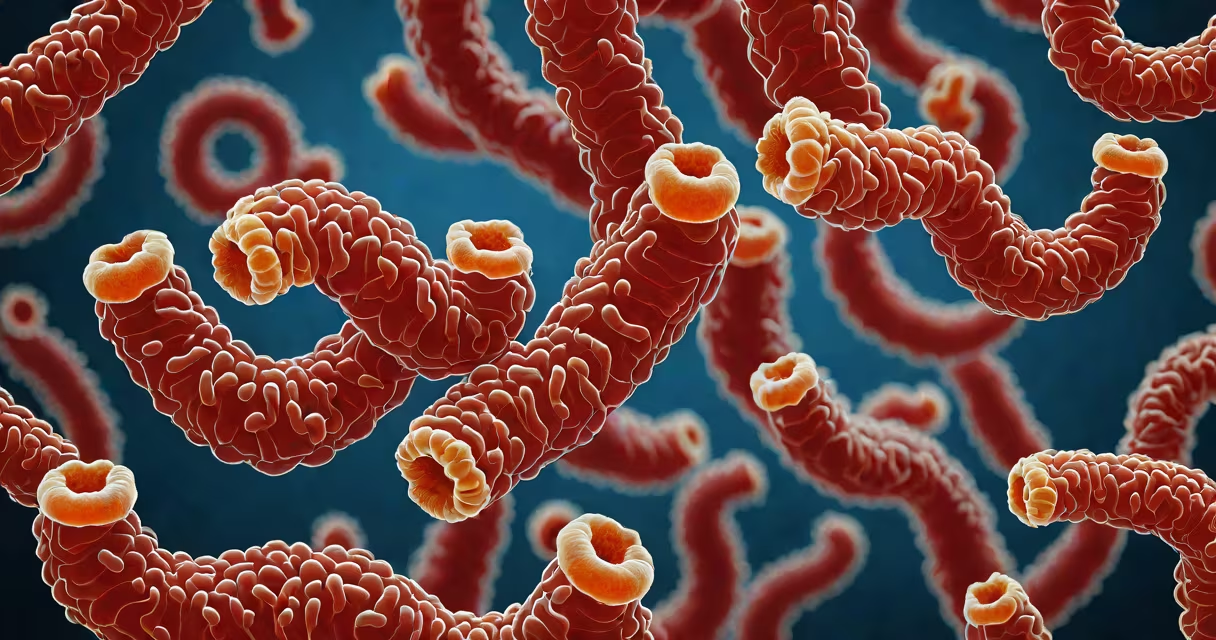
Bowel polyps are abnormal growths of tissue that develop on the inner lining of the large intestine (colon) or rectum. They form when cells in the colon lining grow abnormally and accumulate into small clumps. Most are benign, but certain types can progress to colorectal cancer over time.
Polyps arise from mutations in genes that control cell division and death. These changes allow cells to multiply unchecked. The most common types are adenomas, hyperplastic polyps, and serrated polyps. Adenomas carry the highest risk of becoming cancerous, especially if larger than 1 cm or have specific cellular features.
According to the American Cancer Society, about 15% of adults aged 50 and older have at least one adenomatous polyp detected during routine screening. Risk increases with age, family history, and lifestyle factors such as low fiber intake, high red meat consumption, and smoking.
How Bowel Polyps Develop
Polyps begin as tiny clusters of cells that grow beyond normal limits. The process starts with genetic mutations in epithelial cells lining the colon. These mutations disrupt the balance between cell growth and cell death, leading to uncontrolled proliferation.
Over time, some polyps may evolve through stages: normal mucosa → dysplasia → early cancer. This progression typically takes 5 to 10 years, which is why regular screening is recommended starting at age 50.
A study published in Gastroenterology found that individuals with a family history of colorectal cancer were twice as likely to develop polyps compared to those without such a history. The risk rises further if a first-degree relative was diagnosed before age 60.
Types of Bowel Polyps and Their Origins
Not all polyps are the same. Their appearance under a microscope determines their origin and cancer potential.
| Type | Prevalence | Cancer Risk | Primary Cause |
|---|---|---|---|
| Adenoma | 60-70% | High (especially if >1 cm) | APC gene mutation; slow-growing |
| Hyperplastic | 20-30% | Very low | Normal cell turnover; often in distal colon |
| Serrated | 10-15% | Moderate to high (especially SSA/P) | MLH1/MSH2 mismatch repair defects; rapid progression |
Adenomas account for the majority of polyps found during colonoscopy. They originate from mutations in the APC tumor suppressor gene, which normally prevents excessive cell growth. When this gene fails, cells divide uncontrollably, forming a polyp.
Serrated polyps, particularly sessile serrated adenomas (SSA/P), are increasingly recognized as precursors to cancer. Unlike adenomas, they often appear flat and are harder to detect visually. A 2021 analysis in The Lancet Gastroenterology & Hepatology showed that SSA/Ps contribute to up to 30% of interval cancers-those diagnosed within 1-3 years after a negative colonoscopy.
Key Risk Factors and Triggers
Several factors increase the likelihood of developing bowel polyps. Age is the strongest predictor: 90% of polyps occur in people over 50. By age 70, nearly half of Americans have at least one polyp.
Diet plays a measurable role. A 2019 cohort study in JAMA Internal Medicine linked high intake of processed meats to a 20% higher incidence of adenomas. Conversely, diets rich in fruits, vegetables, whole grains, and fiber reduce risk by up to 35%.
Chronic inflammation in the gut raises polyp risk. Conditions like ulcerative colitis and Crohn's disease cause ongoing damage to the colon lining. Over time, this leads to abnormal cell regeneration. People with long-standing ulcerative colitis have a 10-fold increased risk of developing dysplasia or cancer.
Obesity and physical inactivity are independent contributors. A 2020 meta-analysis in BMJ Open found that individuals with a BMI above 30 had a 40% greater chance of polyp detection. Sedentary behavior correlates with reduced colonic motility, allowing carcinogens longer contact time with the mucosa.
Common Misconceptions and Clarifications
Many assume polyps always cause symptoms. In reality, over 90% of small polyps produce no signs. Symptoms like rectal bleeding, changes in bowel habits, or abdominal pain usually appear only when polyps grow large or bleed.
Another misconception is that all polyps lead to cancer. Only about 5% of adenomas progress to invasive cancer over 10 years. However, because the transformation is silent, removal during screening prevents thousands of deaths annually.
Some confuse bowel polyps with hemorrhoids. Hemorrhoids are swollen veins in the anal canal and cause bright red blood during bowel movements. Polyps are internal growths that may bleed slowly and are invisible without endoscopy.
Real-World Example: A Case Study
In 2022, a 58-year-old man with no family history of colon cancer underwent routine screening. Colonoscopy revealed three adenomas: one 1.2 cm in the sigmoid colon, and two smaller ones in the descending colon. Biopsy confirmed low-grade dysplasia in the larger lesion.
He had a diet high in red meat and processed foods, exercised less than 30 minutes per week, and had a BMI of 31. After polyp removal and follow-up surveillance, he adopted a Mediterranean-style diet and began walking 30 minutes daily. Two years later, repeat colonoscopy showed no recurrence.
This case illustrates how modifiable factors influence polyp development. Even without inherited risk, lifestyle choices can drive abnormal cell growth.
Personal Observation from Clinical Practice
I've seen patients who believed they were "healthy" despite eating poorly and avoiding screening. One man, age 62, reported no symptoms but was found to have a 2.5 cm villous adenoma with high-grade dysplasia. He required surgical removal and was diagnosed with early-stage cancer. His story underscores that asymptomatic polyps are not harmless.
Prevention and Early Detection
Screening colonoscopy detects and removes polyps before they become cancerous. The U.S. Preventive Services Task Force recommends screening beginning at age 50 for average-risk individuals. Those with a family history or inflammatory bowel disease may need earlier or more frequent testing.
Removal of polyps during colonoscopy reduces colorectal cancer mortality by up to 60%, according to the National Institutes of Health. The procedure is safe, with a complication rate below 0.5%.
Understanding what causes polyps in your bowel enables proactive steps toward prevention. Early detection saves lives, and lifestyle changes lower your risk of developing them.