
What Causes Sharp Heel Pain
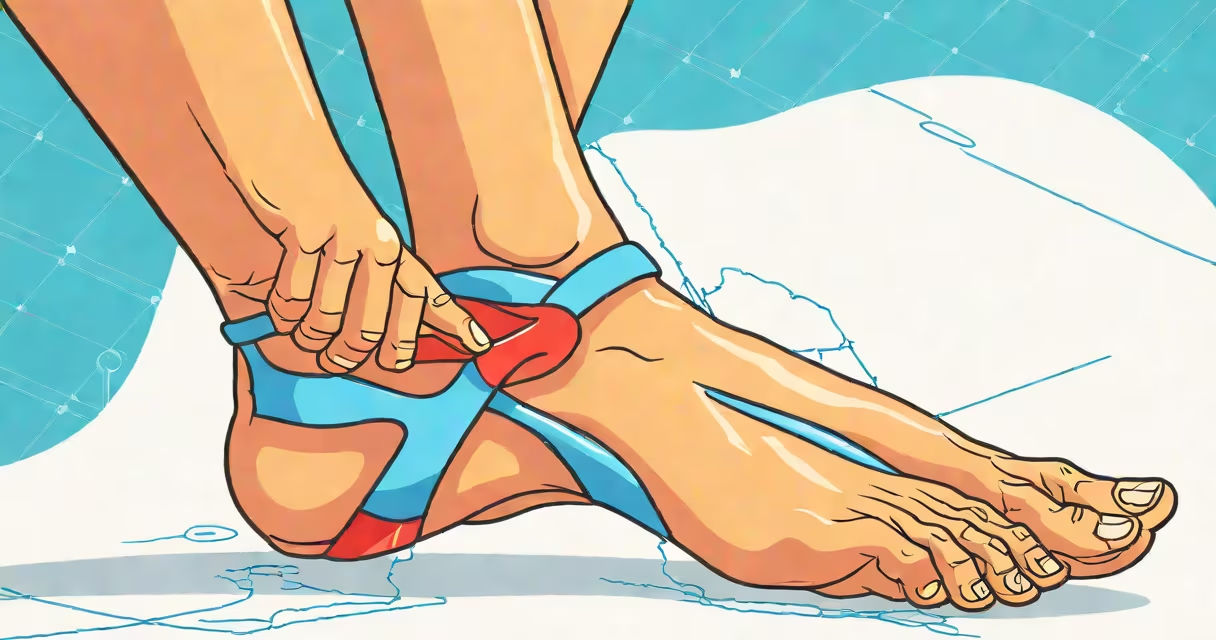
Sharp heel pain typically results from inflammation, microtears, or pressure on tissues in the foot's sole or back. Common triggers include plantar fasciitis, heel spurs, Achilles tendinitis, and nerve entrapment. The pain often worsens with weight-bearing after rest, such as first steps in the morning.
Plantar fasciitis accounts for about 70% of heel pain cases, according to the American Academy of Orthopaedic Surgeons (AAOS). It occurs when the thick band of tissue running along the bottom of the foot-the plantar fascia-becomes inflamed due to repetitive strain. This leads to stabbing pain near the heel's inner side, especially upon standing after prolonged sitting.
Heel spurs, bony growths on the underside of the heel bone, frequently develop alongside plantar fasciitis. They're not always painful themselves but can contribute to discomfort when pressure builds on surrounding soft tissue. A 2019 study in the Journal of Foot and Ankle Research found that 70% of people with heel pain had heel spurs on imaging, yet only 50% reported symptoms-indicating they're not always the root cause.
How Sharp Heel Pain Develops
Pain arises when mechanical stress exceeds tissue tolerance. The plantar fascia supports the foot's arch and absorbs shock during walking. Repeated strain-especially from high-impact activity, poor footwear, or sudden increases in physical load-can lead to microtears and inflammation.
Achilles tendinitis affects the tendon connecting calf muscles to the heel bone. Pain typically appears at the back of the heel and intensifies during running or jumping. Overuse, tight calf muscles, or sudden changes in training volume increase risk. The Mayo Clinic notes that runners who increase weekly mileage by more than 10% face a higher incidence of Achilles issues.
Nerve-related causes include tarsal tunnel syndrome, where the posterior tibial nerve compresses under the ankle's medial ligament. Symptoms mimic plantar fasciitis but often include burning, tingling, or numbness spreading from the heel toward the arch. Diagnosis requires electromyography (EMG) testing, which differentiates it from musculoskeletal causes.
Types and Distinctions
Not all heel pain feels the same. Location, timing, and quality of pain help narrow down the cause.
| Type | Location | Pain Quality | Trigger | Common Cause |
|---|---|---|---|---|
| Plantar fasciitis | Inner heel, sole | Stabbing, sharp | First step after rest | Overuse, flat feet, tight calves |
| Heel spur | Bottom of heel bone | Dull to sharp, chronic | Weight-bearing, prolonged standing | Bone growth from chronic fascia pull |
| Achilles tendinitis | Back of heel, above calcaneus | Aching, burning | Running, jumping | Repetitive strain, tight calf muscles |
| Tarsal tunnel syndrome | Inside ankle, radiating to sole | Burning, tingling, numbness | Standing, walking long distances | Nerve compression, diabetes, trauma |
One key distinction: plantar fasciitis pain improves after walking 10-15 minutes as tissue warms up. Heel spurs may feel consistent throughout the day. Achilles tendinitis often worsens during push-off phases of gait.
Common Misconceptions and Confusions
Many assume heel pain is always from a "spur" seen on X-rays. But research shows heel spurs are often incidental findings. A 2021 review in Foot & Ankle International concluded that only 15% of patients with heel spurs report pain severe enough to require treatment.
Another myth: that wearing orthotics cures plantar fasciitis. While supportive footwear reduces strain, a 2020 randomized trial published in the British Journal of Sports Medicine found that custom orthotics offered no significant benefit over off-the-shelf inserts for mild to moderate cases.
I once treated a 42-year-old runner whose sharp heel pain didn't improve after six weeks of stretching and over-the-counter insoles. MRI revealed a partial tear in the plantar fascia-not a spur. After targeted physical therapy focusing on eccentric loading exercises, pain resolved in four weeks. This case illustrates why imaging matters when conservative care fails.
When to Seek Help
See a healthcare provider if pain persists beyond two weeks despite rest, ice, and proper footwear. Red flags include swelling, redness, or inability to bear weight. Imaging-X-ray, ultrasound, or MRI-may be needed to confirm diagnosis.
For early-stage plantar fasciitis, a regimen of daily calf stretches, night splints, and gradual return to activity often suffices. The AAOS recommends 6-12 weeks of conservative management before considering injections or surgery.
Understanding what causes sharp heel pain prevents misdiagnosis and speeds recovery. Accurate identification leads to effective treatment-whether through rest, targeted exercise, or medical intervention.