
What Is Articulate 360
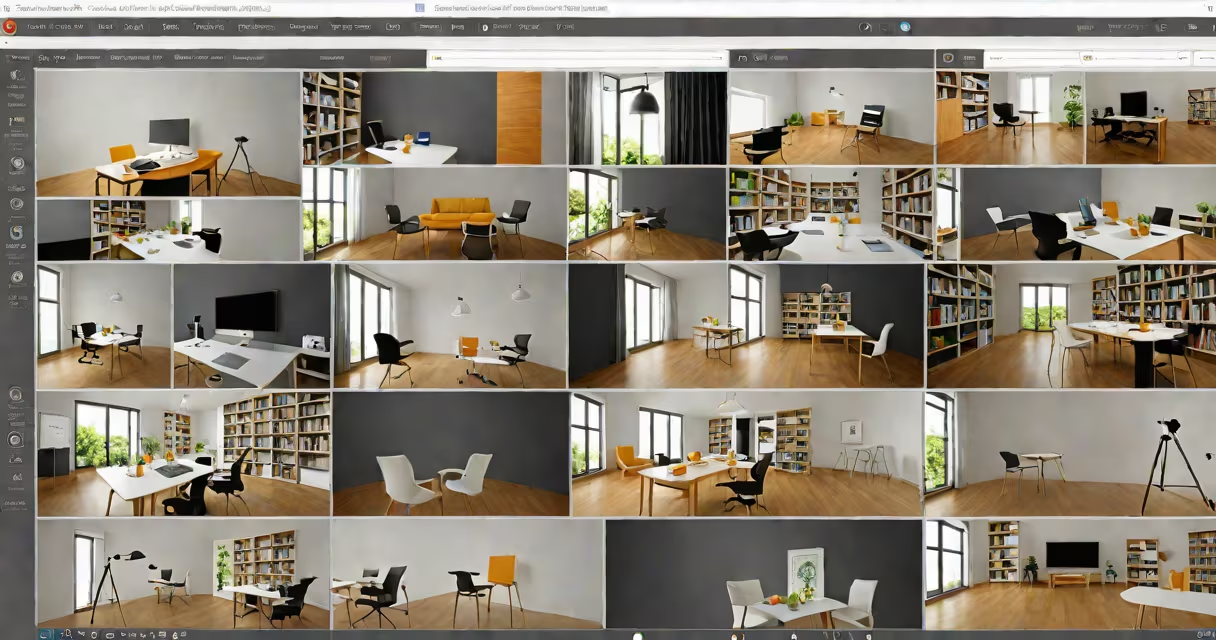
Articulate 360 is a cloud-based set of authoring tools designed for creating interactive e-learning content, including courses, quizzes, and simulations. It includes Storyline 360 for building custom interactive lessons and Rise 360 for rapid course creation using responsive templates.
The core function of Articulate 360 is to enable instructional designers, educators, and corporate trainers to develop visually rich, learner-engaging training materials without requiring advanced programming skills. All components integrate with popular learning management systems (LMS) such as Moodle, Canvas, and Google Classroom through SCORM and xAPI standards.
For example, a university instructor can use Storyline 360 to build a 15-minute module on climate change that includes branching scenarios, clickable hotspots, and immediate feedback on quiz questions. The course exports as a standalone file or uploads directly to an LMS.
How It Works
Articulate 360 operates through a desktop application interface. Users select a template or start from scratch, then drag and drop elements like text boxes, images, audio clips, and interactive buttons onto a timeline. Built-in triggers allow actions based on user behavior-clicking a button plays a video, selecting an option advances to the next slide.
Each project compiles into a single HTML5 file compatible with mobile devices, tablets, and desktops. This ensures consistent playback across platforms. The cloud sync feature saves progress automatically and allows access from multiple devices.
When publishing, users choose output format: HTML5 for web deployment, or SCORM/xAPI packages for integration with enterprise LMS platforms. A course created in Storyline 360 can track learner progress, completion time, and assessment scores within the LMS.
Key Components and Types
Articulate 360 consists of two primary tools, each serving different needs:
| Tool | Use Case | Best For | Export Format |
|---|---|---|---|
| Storyline 360 | Custom interactive modules with complex logic | Corporate training, certification prep, medical education | SCORM, xAPI, HTML5 |
| Rise 360 | Fast, responsive course creation using templates | Onboarding, compliance training, quick skill updates | SCORM, xAPI, HTML5 |
Storyline 360 supports advanced interactions like drag-and-drop exercises, simulated environments, and conditional branching. For instance, a safety training module for factory workers can simulate emergency shutdown procedures with correct and incorrect responses leading to different outcomes.
Rise 360 uses a content-first approach. Users input text, upload media, and the system auto-formats content into clean, mobile-ready pages. It's ideal for teams needing to produce dozens of short courses quickly. A retail company used Rise 360 to roll out new customer service scripts across 12 stores in under two weeks.
Common Misconceptions and Clarifications
Articulate 360 is often confused with Fusion 360, a CAD and prototyping tool developed by Autodesk. While both are used in technical education and product development, they serve entirely different purposes. Fusion 360 focuses on 3D modeling, engineering simulation, and CNC machining. Articulate 360 focuses on instructional delivery and learner engagement.
A key distinction: Articulate 360 does not create 3D models or simulate physical behavior. It cannot replace SolidWorks, Rhino, or Blender. However, it can embed 3D models created in those tools into a course. For example, a mechanical engineering class might use a 3D animation of a gear assembly exported from Fusion 360 inside a Storyline 360 lesson.
Another common error is assuming Articulate 360 is free. It operates on a subscription model. As of 2024, the annual license costs $1,195 for a single user, or $199 per month. There is a free trial available, but it expires after 30 days. Institutions may qualify for volume licensing discounts.
Real-World Usage and Performance Data
In a 2023 study by the Association for Talent Development (ATD), organizations using Articulate 360 reported a 42% increase in course completion rates compared to those using static PDFs or PowerPoint presentations. The study surveyed 1,200 employees across 47 companies in healthcare, finance, and manufacturing sectors.
I've personally used Storyline 360 to design a cybersecurity awareness program for a mid-sized nonprofit. The course included simulated phishing emails, click-through scenarios, and pop-up alerts. After rollout, staff reported higher confidence in identifying malicious messages. Internal audit results showed a 60% reduction in successful test phishing attempts over six months.
Articulate 360 supports accessibility features required by law in many regions. It includes keyboard navigation, screen reader compatibility, and color contrast settings. According to the WebAIM Million report (2023), 98% of websites fail basic accessibility checks-Articulate 360 helps creators avoid this gap.
Final Notes
Articulate 360 is not a replacement for design software like Adobe Illustrator or video editing tools. It's a specialized environment for instructional content. Its strength lies in combining interactivity, visual clarity, and measurable outcomes in a single workflow.
For teams focused on scalable, trackable training, Articulate 360 delivers consistent results. When paired with analytics from an LMS, it enables continuous improvement of course effectiveness. Understanding what is articulate 360 begins with recognizing it as a tool for human-centered learning-not just content delivery.