
What Does Colon Pain Feel Like
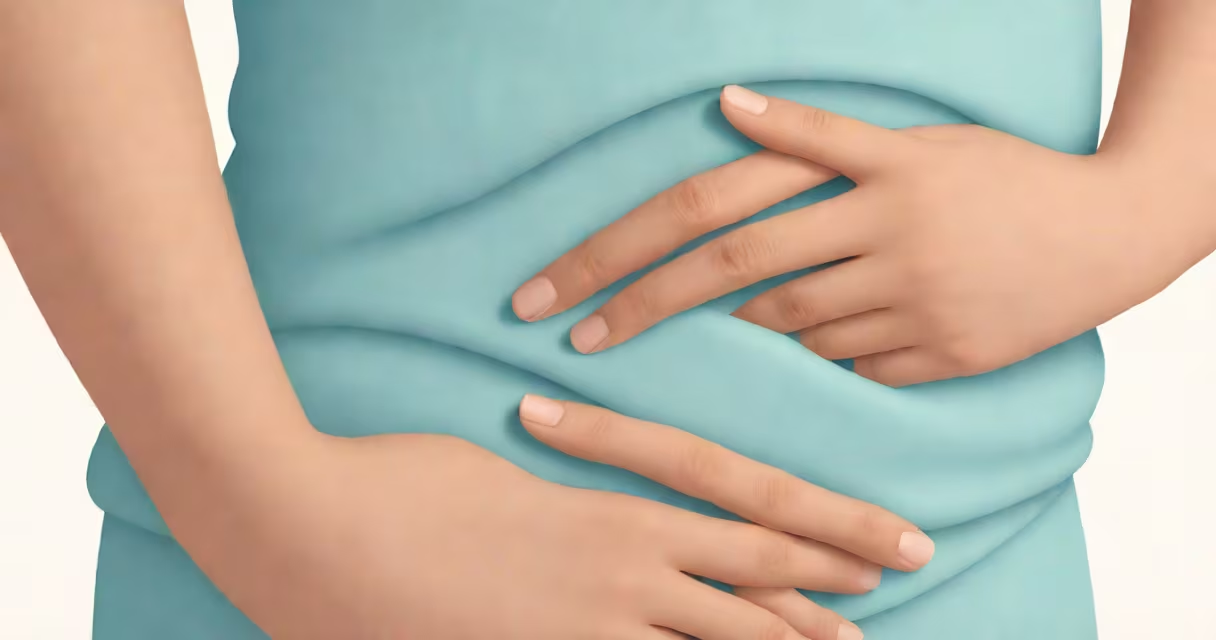
Colon pain typically presents as cramping, bloating, or sharp spasms in the lower abdomen, often worsening during or after bowel movements. It may come and go in waves and sometimes radiates to the back or hips. The sensation varies by cause-irritable bowel syndrome (IBS) often brings rhythmic cramps, while inflammatory conditions like ulcerative colitis may cause constant dull pressure.
The colon, part of the large intestine, processes waste and absorbs water. When it's irritated or obstructed, nerve signals trigger pain. This pain is usually localized to the lower left or lower right side of the abdomen, depending on which segment is affected. For example, pain in the lower left side often stems from the sigmoid colon, a common site for diverticulosis or constipation-related strain.
According to the American Gastroenterological Association, visceral pain from the colon is often described as deep, aching, or squeezing rather than sharp or stabbing. Unlike muscle pain, it doesn't improve with rest or position changes. Instead, it may shift with bowel activity-worsening after eating or resolving after a bowel movement.
How Colon Pain Feels: Common Sensations
Pain from the colon rarely feels like a single, consistent sensation. It depends on the underlying condition. Cramping is the most common report, especially with IBS or gas buildup. People describe it as tightness, twisting, or sudden jolts that subside after passing gas or stool.
Dull, persistent pressure is typical in chronic conditions like ulcerative colitis or Crohn's disease. This pain often worsens over time and may be accompanied by fatigue, weight loss, or blood in the stool. A 2021 study in *Gastroenterology* found that 68% of patients with active ulcerative colitis reported continuous lower abdominal pressure, often misdiagnosed as muscle strain.
Sharp, localized pain suggests mechanical issues such as obstruction or diverticulitis. Sudden onset of severe pain in the lower left abdomen-especially with fever or inability to pass gas-may indicate a perforated diverticulum. This requires immediate medical attention.
Types of Colon Pain and Their Triggers
Not all colon pain is the same. Different conditions produce distinct patterns:
| Type | Sensation | Common Triggers | Associated Conditions |
|---|---|---|---|
| Cramping | Rhythmic, wave-like tightening | Gas, bloating, food intolerance | IBS, lactose intolerance |
| Dull pressure | Constant ache, deep in the belly | Chronic inflammation, bowel distension | Ulcerative colitis, Crohn's disease |
| Sharp, localized | Stabbing or burning in one spot | Obstruction, infection, diverticulitis | Diverticulitis, bowel obstruction |
| Bloating with distension | Feeling stretched or full | Slow transit, high-fiber intake | Constipation, opioid use |
One key distinction: colon pain is internal and visceral. It doesn't respond to heat or massage like muscular pain. A patient with IBS once told me they'd lie still for hours, convinced they had a pulled muscle-until a doctor confirmed it was bowel-related. That misunderstanding delayed treatment for months.
When Colon Pain Is Not Just Gas or Indigestion
Many people dismiss lower abdominal pain as "just gas." But red flags include pain lasting more than a week, worsening at night, or occurring with fever, bloody stools, or unexplained weight loss. These signs suggest structural or inflammatory issues requiring evaluation.
For example, a 45-year-old woman experienced recurring cramps in her lower left abdomen. She assumed it was IBS until she began passing small amounts of blood. A colonoscopy revealed early-stage diverticulitis-a condition where small pouches in the colon wall become inflamed. Early detection prevented complications like abscess formation.
Another non-obvious point: colon pain can mimic other conditions. Pelvic pain in women may stem from endometriosis, but if it occurs with bowel changes, colon involvement must be ruled out. The National Institute of Diabetes and Digestive and Kidney Diseases notes that up to 30% of women with pelvic pain have overlapping gastrointestinal symptoms.
Common Confusions and Misdiagnoses
Colon pain is frequently mistaken for muscle strain, kidney stones, or ovarian cysts. Lower back pain from a herniated disc can mimic colon pain, especially if it radiates to the abdomen. However, colon pain typically correlates with bowel habits-worsening after meals or with defecation.
Diverticulosis pain, for instance, often feels like a dull ache in the lower left quadrant. It may be mistaken for constipation. But unlike constipation, which improves with bowel movement, diverticulosis pain persists or worsens. A 2020 review in *The Lancet Gastroenterology & Hepatology* found that 40% of patients with symptomatic diverticulosis were initially misdiagnosed as having functional bowel disorders.
Seeking Care: What to Expect
If colon pain lasts more than a few days, recurs frequently, or includes warning signs, consult a gastroenterologist. Initial evaluation involves history, physical exam, and possibly imaging or endoscopy.
A colonoscopy remains the gold standard for assessing colon health. It allows direct visualization of polyps, inflammation, or tumors. According to the American Society for Gastrointestinal Endoscopy, colonoscopies detect precancerous polyps in 25% of adults aged 50-75-many of whom had no symptoms.
For those with recurrent pain, a food diary and elimination diet may help identify triggers. Fiber increases in IBS can reduce cramping by 30%, per a 2019 trial published in *Clinical Gastroenterology and Hepatology*. But fiber can worsen pain in obstructive conditions-so diagnosis is essential before dietary changes.
Colon pain is not a single sensation. It ranges from mild cramping to severe, localized agony. Its meaning lies in context-timing, location, and accompanying symptoms. Ignoring persistent pain risks missing treatable conditions, including cancer. Early awareness saves lives.