
When Is Halloween Night
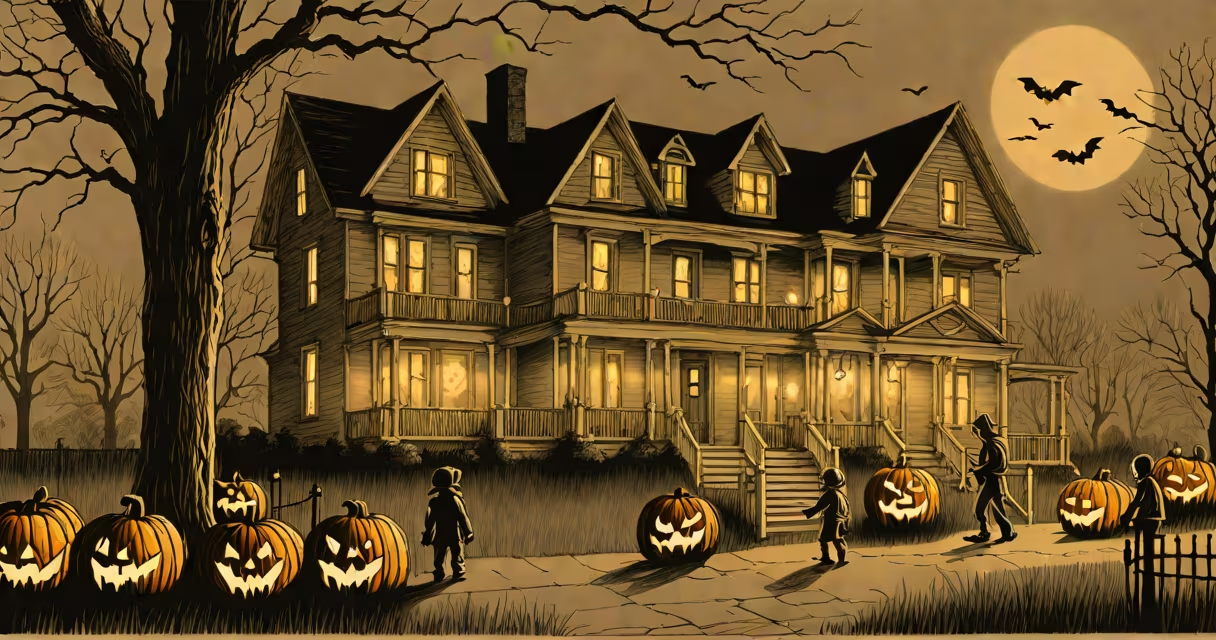
Halloween night occurs on October 31 each year, the evening before All Saints' Day. It is the traditional time when people celebrate with costumes, trick-or-treating, and carved pumpkins, rooted in ancient Celtic festivals and Christian observances.
The date is fixed annually. Unlike holidays that shift across the calendar-such as Easter or Chinese New Year-Halloween night always lands on October 31. This consistency allows communities, schools, and retailers to plan events, decorations, and sales around the same date every year.
For example, in 2024, Halloween night fell on Tuesday, October 31. The same date occurred in 2023, 2022, and every year since the Gregorian calendar was adopted in 1752. The alignment of October 31 with the end of the Celtic festival of Samhain established the foundation for modern Halloween traditions.
How Halloween Night Originated
Halloween night traces its origins to Samhain, a Gaelic festival marking the end of summer and the beginning of winter. Celebrated on October 31 by the ancient Celts in Ireland, Scotland, and parts of Britain, Samhain was believed to be a time when the boundary between the living and the dead blurred.
Celtic priests performed rituals to honor ancestors and predict the future. They lit bonfires, wore animal masks, and offered food to spirits. When the Romans conquered Celtic territories, they merged Samhain with their own festivals, such as Feralia (a day to honor the dead) and Pomona (a goddess of fruit and trees).
Christian missionaries later adapted Samhain into All Hallows' Eve-the night before All Saints' Day, a feast honoring all saints. The name "Halloween" itself comes from "All Hallows' Eve," shortened over time into the modern term.
What Happens on Halloween Night
On Halloween night, people engage in customs that blend ancient ritual with modern entertainment. Trick-or-treating remains the most widespread tradition, especially among children. Families dress in costumes, visit homes, and collect candy, often following neighborhood routes or community events.
Adults participate through costume parties, haunted houses, and themed bars. In the United States, about 76% of households with children aged 5 to 14 take part in trick-or-treating, according to the National Retail Federation's 2023 survey. That equates to roughly 47 million children going door-to-door.
Another key activity is pumpkin carving. Americans carve an estimated 50 million pumpkins each year, with the average household spending $25 on supplies. The tradition stems from Irish immigrants who originally used turnips, but switched to pumpkins upon arriving in North America due to their size and ease of carving.
Common Confusions About Halloween Night
Many assume Halloween night is the same as All Saints' Day, but they are distinct. All Saints' Day is November 1, a Catholic holiday honoring saints. Halloween night is the eve of that day, not the day itself.
Some confuse Halloween with Dia de los Muertos (Day of the Dead), celebrated in Mexico and parts of Latin America from November 1 to 2. While both involve honoring the deceased, Dia de los Muertos is a multi-day celebration focused on remembrance and family altars, not costumes or trick-or-treating.
A lesser-known fact: Halloween night was once banned in the United States during the early 20th century. In 1907, the U.S. Department of Labor issued a report warning that Halloween celebrations led to vandalism and public disorder. As a result, many cities suspended festivities until the 1930s, when cultural norms shifted back toward celebration.
Regional Variations and Global Observance
Halloween night is observed widely in North America, particularly in the United States and Canada. In the U.S., it ranks as the second-largest commercial holiday after Christmas, generating $10.1 billion in retail sales in 2023, according to the National Retail Federation.
In contrast, Halloween is less prominent in Europe. Countries like the UK and Ireland observe it with modest events, but not the same scale as in North America. In Japan, Halloween has grown in popularity since the 1990s, especially in Tokyo and Osaka, where students and young adults attend themed parties and parades. However, it remains a niche event compared to local festivals.
Table: Key Differences in Halloween Night Observance
| Region | Primary Traditions | Scale of Celebration | Notable Custom |
|---|---|---|---|
| United States | Trick-or-treating, costume parties, haunted attractions | High | Children go door-to-door in neighborhoods |
| Canada | Similar to U.S., with regional variations | High | Large city-wide events in Toronto and Vancouver |
| Japan | Costume parties, themed events, shopping | Moderate | Popular among university students |
| UK | Parties, small-scale trick-or-treating | Low to moderate | Less focus on children's activities |
I once attended a Halloween night party in Portland, Oregon, where over 300 people showed up in elaborate costumes. The event was held in a warehouse converted into a haunted maze. I saw a woman dressed as a 19th-century witch carrying a real cauldron filled with dry ice and glowing blue lights. The atmosphere blended historical inspiration with modern spectacle.
Why the Date Matters
October 31 is not arbitrary. The date aligns with the autumnal equinox and the waning light of the year. Ancient cultures viewed this time as a liminal period-neither summer nor winter-when spiritual forces were believed to be active.
Modern psychology supports the idea that seasonal shifts affect mood and behavior. A 2021 study published in Journal of Environmental Psychology found that reduced daylight in late October correlates with increased social bonding behaviors, such as group gatherings and shared rituals. This may explain why Halloween night consistently draws people together despite its spooky themes.
Understanding when Halloween night occurs helps families plan safe trick-or-treating routes, businesses schedule marketing campaigns, and schools organize themed days. Knowing it's always October 31 eliminates confusion about dates and allows for consistent preparation.