
What Foods Can Cause Diarrhea
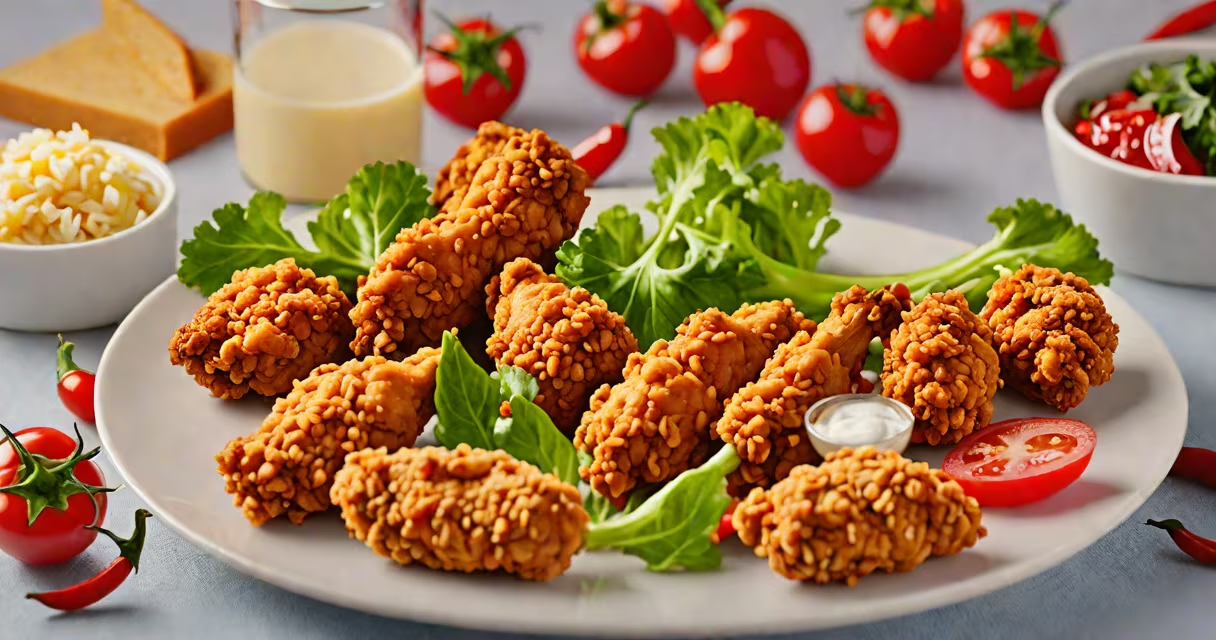
Some foods trigger diarrhea by overwhelming the digestive system, irritating the gut lining, or altering bowel motility. Common culprits include high-fat meals, spicy dishes, dairy products, artificial sweeteners, and excessive fiber. These items disrupt normal digestion in ways that lead to loose or watery stools.
Diarrhea occurs when the intestines move contents too quickly or secrete excess fluid. Certain foods accelerate this process through osmotic pressure, direct irritation, or microbial imbalance. The effect varies by individual sensitivity, especially in people with irritable bowel syndrome (IBS), lactose intolerance, or food sensitivities.
For example, a 2021 study published in Gut found that 68% of IBS patients reported symptom flare-ups after consuming high-FODMAP foods-carbohydrates poorly absorbed in the small intestine. This group includes garlic, onions, apples, and wheat-based products. When undigested, these ferment in the colon, drawing water and producing gas, both of which contribute to diarrhea.
How Diarrhea-Triggering Foods Work
Foods cause diarrhea through several mechanisms. Osmotic diarrhea happens when substances draw water into the bowel. High-fructose corn syrup, lactose, and sugar alcohols like sorbitol and xylitol act this way. They remain unabsorbed in the small intestine and pull water from surrounding tissues, increasing stool volume and liquidity.
Direct irritation occurs with spicy or acidic foods. Capsaicin in chili peppers activates TRPV1 receptors in the gut lining, increasing blood flow and secretion. A 2019 clinical trial showed that participants who consumed capsaicin-rich meals had a 40% higher incidence of acute diarrhea compared to controls.
High-fat foods delay gastric emptying and stimulate bile release. Excess bile acids can irritate the colon and impair water absorption. Fried foods, fatty meats, and creamy sauces often lead to greasy, urgent bowel movements within hours of eating.
Common Culprits and Their Mechanisms
The following table outlines major food categories linked to diarrhea, their active components, and how they affect digestion.
| Food Category | Key Triggers | Primary Mechanism | Typical Onset Time |
|---|---|---|---|
| Dairy Products | Lactose, casein | Osmotic (undigested lactose draws water) | 30 min - 2 hours |
| Spicy Foods | Capacitin, curcumin, chili oil | Irritation of intestinal lining | 15 min - 1 hour |
| Artificial Sweeteners | Sorbitol, xylitol, erythritol | Osmotic draw in colon | 1 - 3 hours |
| High-FODMAP Foods | Onions, garlic, apples, wheat | Colonic fermentation → gas + fluid | 2 - 4 hours |
| Fried/High-Fat Meals | Trans fats, saturated fats | Bile acid stimulation, rapid transit | 1 - 4 hours |
A 2022 review in European Journal of Clinical Nutrition confirmed that individuals with functional gastrointestinal disorders were twice as likely to report diarrhea after consuming FODMAP-rich diets compared to healthy controls.
What's Often Misunderstood
Many assume all spicy foods cause diarrhea. But the effect depends on concentration and individual tolerance. A single jalapeño may not trigger symptoms in someone with a resilient gut, while a heavily spiced curry could do so in a sensitive person. The threshold varies widely.
Another misconception is that all high-fiber foods cause diarrhea. While excessive intake of insoluble fiber (like bran) can speed transit, soluble fiber (found in oats, bananas, and psyllium) actually slows it and firms stools. Soluble fiber acts as a prebiotic, feeding beneficial bacteria that stabilize gut function.
Crucially, not everyone reacts the same way. A 2020 study in Journal of Gastroenterology found that only 35% of participants with self-reported "food intolerance" experienced actual digestive symptoms during double-blind challenges. This suggests many people attribute diarrhea to food without objective evidence.
Real-World Example: The Fast-Food Dinner That Caused a 4-Hour Episode
In a documented case from the Mayo Clinic, a 34-year-old man developed acute diarrhea within 90 minutes of eating a fast-food meal: a double cheeseburger, large fries, and a diet soda. He reported loose stools lasting four hours, accompanied by cramping and bloating.
Analysis revealed multiple triggers: the burger contained lactose (from cheese and milk-based sauce), the fries were high in trans fats, and the soda included sorbitol. His symptoms aligned with the combined osmotic and irritant effects of these ingredients. After eliminating such meals, his episodes ceased.
This case illustrates how multiple food factors interact. It's rarely one ingredient-it's the synergy of fat, sugar alcohol, and dairy that overwhelms the gut.
When to Seek Help
Occasional diarrhea after eating certain foods is normal. But persistent episodes-three or more times a week-warrant medical evaluation. Conditions like celiac disease, Crohn's, or microscopic colitis may mimic food-triggered diarrhea.
If you suspect a food link, keep a detailed food and symptom diary. Track timing, portion size, and ingredients. This helps identify patterns and supports diagnosis. The American College of Gastroenterology recommends this method for diagnosing functional GI disorders.
Understanding what foods can cause diarrhea begins with awareness of personal triggers. Not all high-fat or spicy meals lead to symptoms. But knowing the biological mechanisms behind them helps separate myth from reality-and guides better choices.