
How to Make Spaghetti Squash
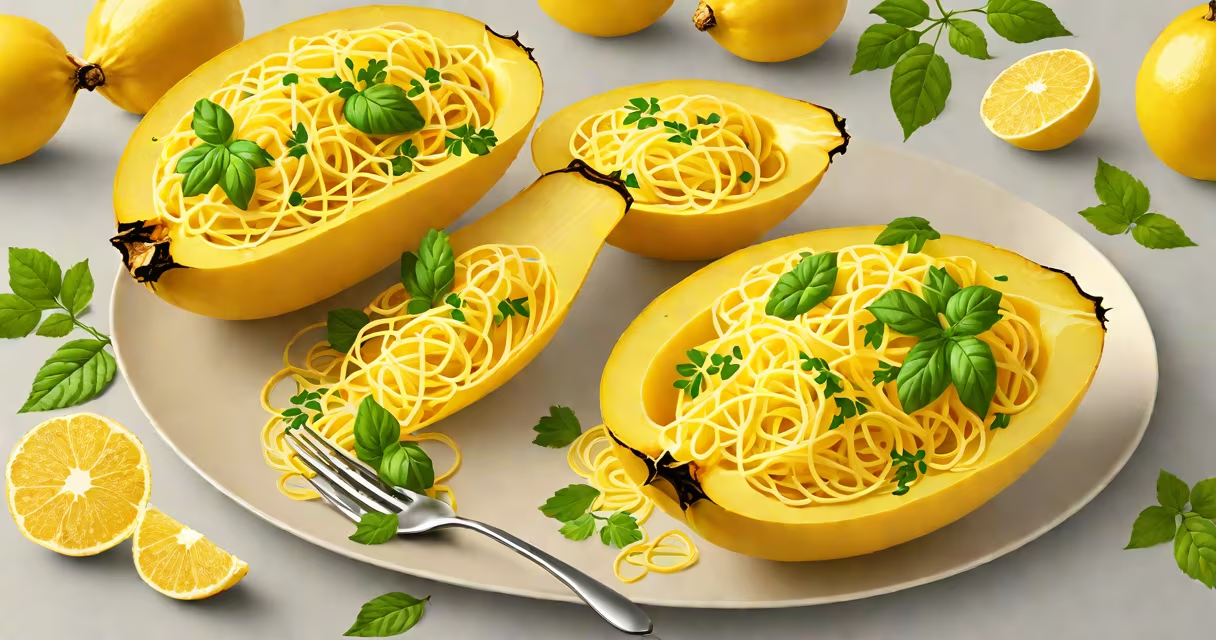
How to make spaghetti squash involves roasting halved squash until the flesh separates into noodle-like strands, then seasoning with butter, herbs, or sauce. The result is a low-carb alternative to pasta that mimics texture and holds dressings well.
Spaghetti squash is a winter squash with a hard outer shell and pale yellow flesh. When cooked, the interior breaks apart into long, thin strands resembling spaghetti. This makes it ideal for grain-free, low-carb, or gluten-free diets. It's not a substitute for actual pasta, but it functions similarly in dishes.
The most common method uses oven baking. Place halved squash cut-side down on a parchment-lined tray, bake at 400°F (200°C) for 45-55 minutes until fork-tender. After cooling slightly, scrape out the strands with a fork. Season with olive oil, salt, pepper, and optional additions like garlic, Parmesan, or pesto.
Why It Works: The Science Behind the Texture
Spaghetti squash gets its stringy texture from long-chain carbohydrates and pectin breakdown during slow roasting. As heat penetrates the flesh, cell walls soften and fibers separate along natural seams. This process takes longer than boiling because moisture evaporates slowly, preventing sogginess.
For consistent results, always cut the squash in half lengthwise and remove seeds. Leaving the skin intact prevents drying out. A 2-pound squash yields about 4 cups of cooked strands. Overcooking leads to mush; undercooking leaves tough fibers.
Using a microwave is faster but less effective. Microwaving for 8-10 minutes on high may cook the center but leave edges underdone. Oven baking ensures even heat distribution and better flavor development through caramelization on the cut surface.
Types and Varieties
Most grocery stores carry standard green-skinned spaghetti squash. Varieties include:
| Type | Color & Shape | Best For | Yield |
|---|---|---|---|
| Standard | Green, oblong | General cooking, pasta alternatives | 3-4 cups cooked strands |
| Orange | Deep orange, rounder | Better sweetness, roasting | 3.5-4.5 cups cooked strands |
| Mini | Small, 1-2 lb | Single servings, quick prep | 1.5-2 cups cooked strands |
Orange varieties have higher sugar content and lower water content, which reduces cooking time by 10-15 minutes. Mini squash are ideal for meal prep and reduce waste. Always check for firmness-soft spots indicate spoilage.
Common Mistakes and Fixes
Overcooking causes the strands to collapse into a paste. Undercooking leaves strings too firm to eat. Test doneness by pressing the flesh with a spoon-it should yield easily. If strands remain fibrous, return to oven for 5-minute increments.
Leaving the squash whole before cutting risks uneven heating. Always slice lengthwise through the stem end. Use a sharp chef's knife or serrated knife. A dull blade slips and increases injury risk. Wear a cut-resistant glove if needed.
A frequent error is skipping the seed removal. Seeds are edible but can harbor mold if left in. Scoop them out with a spoon or melon baller. Roast raw seeds at 350°F for 10 minutes for a crunchy snack.
Real-World Example: Baked Spaghetti Squash with Garlic Butter Sauce
Start with a 2.2-pound green spaghetti squash. Cut in half lengthwise and scoop out seeds. Place cut-side down on a foil-lined baking sheet. Bake at 400°F (200°C) for 50 minutes. Let cool 5 minutes.
Scrape strands with a fork into a bowl. Toss with 2 tablespoons melted butter, 1 minced garlic clove, ¼ teaspoon salt, ⅛ teaspoon black pepper, and 2 tablespoons chopped parsley. Serve warm.
This dish serves 4 people. Total prep time: 15 minutes. Cooking time: 50 minutes. Calories: ~160 per serving. The butter enhances richness and binds flavors. Without fat, the strands taste bland.
When I made this last month, I used leftover roasted chicken and added a splash of lemon juice. The acid brightened the dish and balanced the butter. I served it with a side salad. It was the first time I used spaghetti squash beyond a basic recipe.
What It's Not: Common Confusions
Spaghetti squash is not the same as zucchini noodles (zoodles). Zoodles are spiralized raw zucchini and require no cooking. They're softer and more delicate. Spaghetti squash has a firmer, springier bite and holds up better in sauces.
It's also not a substitute for regular pasta in every context. Spaghetti squash lacks protein and fiber content. A 1-cup serving contains 20 grams of carbs and 2 grams of fiber. Regular spaghetti has 40 grams of carbs and 5 grams of fiber. Choose based on dietary goals.
Some confuse it with other winter squashes like acorn or butternut. Those have dense, sweet flesh and are mashed or pureed. Spaghetti squash is uniquely stringy when cooked. Its name comes from visual similarity to spaghetti, not taste.
Where and When to Use It
Use spaghetti squash in meals where you want a low-carb base. It pairs well with meatballs, marinara, Alfredo, or stir-fry sauces. It absorbs flavors well but doesn't overpower them.
It's popular in ketogenic and paleo diets. According to the Academy of Nutrition and Dietetics, low-carb vegetables like spaghetti squash support blood glucose control. A 2021 study in Nutrients found that replacing refined grains with low-glycemic vegetables improved insulin sensitivity in prediabetic adults.
For meal prep, cook multiple squash at once. Freeze unseasoned strands in portions. Thaw overnight in the fridge. Reheat in a skillet with oil for 2 minutes. Frozen strands retain texture better than canned or pre-cooked versions.
Advanced Tips and Variations
For extra flavor, brush the cut sides with olive oil before baking. This promotes browning and adds crisp edges. Sprinkle with smoked paprika or cumin for a savory twist.
Try stuffing the hollowed-out shells with a mixture of ricotta, spinach, and breadcrumbs. Top with mozzarella and broil for 3 minutes. This turns the squash into a baked appetizer.
For a vegan version, replace butter with olive oil and omit cheese. Add nutritional yeast for a cheesy flavor. Use plant-based butter for richness.
Spaghetti squash can be used in cold dishes. Toss cooled strands with vinaigrette, cherry tomatoes, and feta. Serve chilled as a salad. The strands hold their shape and absorb dressing well.