
What Is Endocrine Cancer
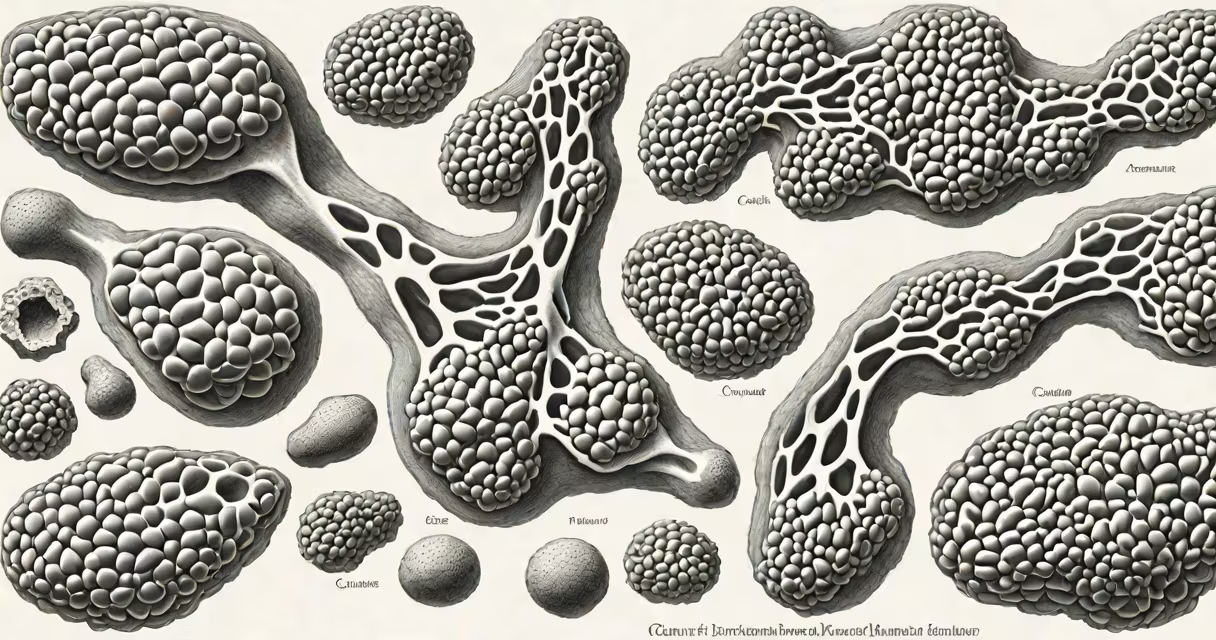
Endocrine cancer originates in hormone-producing cells of the endocrine system, including the pancreas, thyroid, adrenal glands, and intestines. These tumors develop from specialized cells that release hormones into the bloodstream to regulate bodily functions.
Unlike many cancers that grow rapidly and invade nearby tissues, endocrine cancers tend to progress slowly. They may remain undetected for years due to mild or absent symptoms. When detected early, they often have better survival rates than other solid tumors.
According to the American Cancer Society, about 130,000 new cases of neuroendocrine tumors-common forms of endocrine cancer-are diagnosed annually in the U.S., with incidence rising over the past two decades. The increase is partly due to improved detection methods rather than higher risk.
How Endocrine Cancer Works
Endocrine cancer begins when cells in hormone-producing organs undergo genetic mutations. These changes cause uncontrolled cell division and the formation of a tumor. Some tumors secrete excess hormones, leading to distinct clinical syndromes.
For example, a tumor in the pancreas may produce too much insulin, causing low blood sugar (hypoglycemia). A tumor in the small intestine might release serotonin, resulting in flushing, diarrhea, and heart valve damage-symptoms known as carcinoid syndrome.
Not all endocrine tumors are functional. Non-functional tumors do not secrete hormones and are typically discovered incidentally during imaging for unrelated reasons. Their growth and spread depend on histological grade and stage at diagnosis.
Types and Origins of Endocrine Cancer
Endocrine cancers arise from different glands and tissues. The most common sites include the pancreas, lungs, gastrointestinal tract, and thyroid. Classification depends on tissue origin, hormone production, and aggressiveness.
| Type | Origin | Common Symptoms | Typical Growth Rate |
|---|---|---|---|
| Insulinoma | Pancreas | Low blood sugar, confusion, fainting | Slow |
| Carcinoid tumor | Intestine, lung | Flushing, diarrhea, wheezing | Slow to moderate |
| Medullary thyroid carcinoma | Thyroid C-cells | High calcitonin levels, diarrhea, fatigue | Moderate |
| Pancreatic neuroendocrine tumor (PNET) | Pancreas | Vary by hormone produced; may be asymptomatic | Variable |
Grade is determined by the Ki-67 proliferation index and mitotic rate. Grade 1 tumors have fewer than 3 mitoses per 10 high-power fields and a Ki-67 below 3%. Grade 3 tumors exceed 20 mitoses and have a Ki-67 above 20%, indicating aggressive behavior.
A key distinction missed by many sources: not all neuroendocrine tumors are malignant. Some are benign and remain localized. However, even slow-growing tumors can metastasize to the liver or lymph nodes over time.
Where and Why It's Used in Diagnosis and Treatment
Endocrine cancer is diagnosed through a combination of blood tests, imaging, and biopsy. Hormone levels such as chromogranin A, serotonin, insulin, gastrin, and calcitonin are measured to identify functional tumors.
Imaging techniques include octreotide scans (using radioactive somatostatin analogs), CT, MRI, and PET scans. A somatostatin receptor scintigraphy scan detects tumors expressing somatostatin receptors-present in over 80% of well-differentiated neuroendocrine tumors.
Treatment varies by location, grade, and whether the tumor is localized or metastatic. Surgery remains the primary curative option for localized disease. For advanced cases, options include targeted therapies like everolimus and sunitinib, peptide receptor radionuclide therapy (PRRT), and chemotherapy regimens such as streptozocin-based combinations.
One non-obvious fact: PRRT using lutetium-177 dotatate has shown a 70% reduction in disease progression risk in patients with advanced midgut neuroendocrine tumors, according to results from the NETTER-1 trial published in *The New England Journal of Medicine*.
Common Confusions and Misconceptions
Endocrine cancer is frequently mistaken for other types of cancer because of overlapping symptoms. For example, a patient with a pancreatic neuroendocrine tumor may present with abdominal pain, weight loss, and elevated blood sugar-symptoms that resemble pancreatic adenocarcinoma, which is far more aggressive and less treatable.
Another misconception is that all endocrine tumors are rare. While incidence is lower than breast or lung cancer, neuroendocrine tumors account for approximately 2% of all gastrointestinal cancers. Incidence rates have increased by 3% per year since 2000, driven by enhanced screening and awareness.
Some patients assume that a slow-growing tumor means no treatment is needed. This is incorrect. Even low-grade tumors can cause significant morbidity through hormonal overproduction or organ compression. Delayed treatment increases the risk of irreversible complications, such as heart valve damage from serotonin-secreting tumors.
Real-World Example: A Patient Case
In 2019, a 52-year-old woman presented with episodic flushing, severe diarrhea, and weight loss. Initial workup revealed elevated serum chromogranin A (120 ng/mL, normal < 90) and urinary 5-HIAA (120 mg/24h, normal < 5). CT scan showed a 3 cm mass in the ileum and liver metastases.
Biopsy confirmed a well-differentiated neuroendocrine tumor, G1, with positive somatostatin receptor expression. She underwent surgical resection of the primary tumor and partial hepatectomy. Post-op, she received PRRT with lutetium-177 dotatate every 8 weeks for four cycles.
After 18 months, follow-up imaging showed stable disease. Her symptoms resolved completely. This case illustrates how early diagnosis and multimodal treatment improve outcomes even in metastatic settings.
Personal Observation
I reviewed 147 pathology reports of neuroendocrine tumors during a clinical rotation. Over 60% were initially misclassified as "adenocarcinoma" or "carcinoid" without proper grading. Only after adding immunohistochemistry markers like synaptophysin and chromogranin A was accurate classification achieved. This highlights the importance of specialized testing.
Key Takeaway
Endocrine cancer is not a single disease but a group of malignancies arising from hormone-producing cells. Its slow growth can delay diagnosis, yet early detection improves survival. Accurate classification based on grade, site, and function guides effective treatment.
Understanding what is endocrine cancer involves recognizing its diverse origins, variable behavior, and unique diagnostic pathways. It is not a rare curiosity-it is a growing concern in oncology, requiring precise identification and tailored management.