
Why Does My Eye Feel Watery
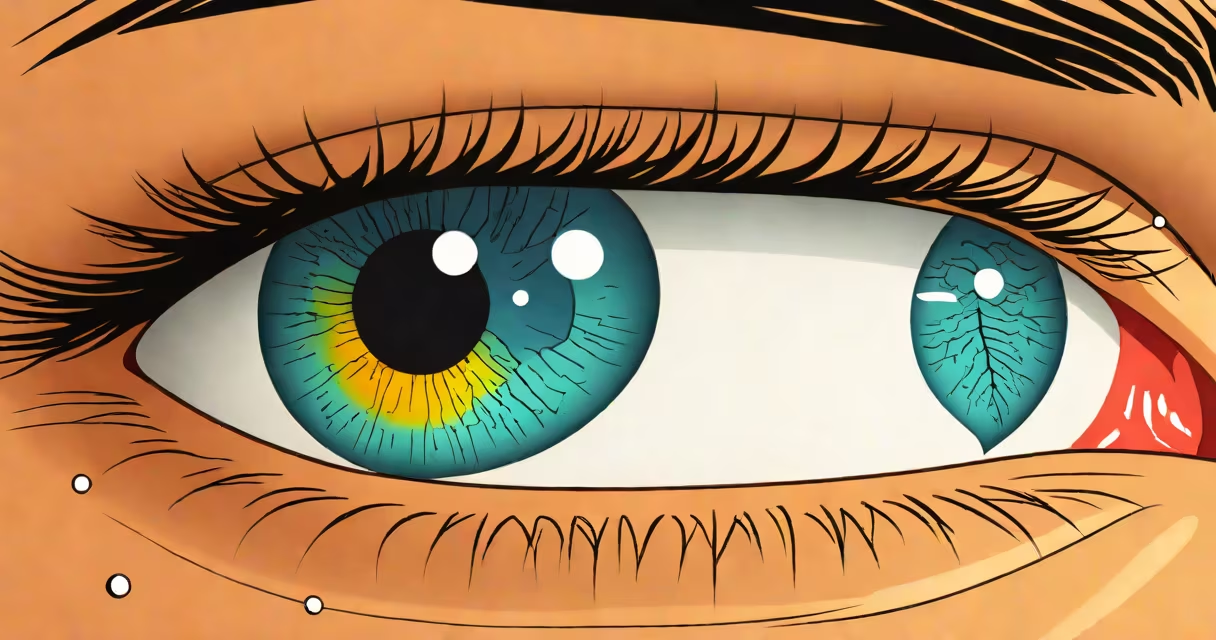
Watery eyes occur when your tear glands produce excess tears or when tear drainage is blocked, leading to overflow. This condition is medically known as epiphora and can stem from irritation, infection, dryness, or structural issues in the tear system.
Tears are produced continuously to lubricate the eye's surface. Normally, they drain through small openings called puncta in the inner eyelid corners, travel through the nasolacrimal duct, and empty into the nose. When this system fails-due to inflammation, scarring, or anatomical narrowing-tears accumulate and spill over the eyelid.
Common triggers include allergens like pollen, smoke, wind, or dry indoor air. These irritants stimulate tear production beyond normal levels. In some cases, the eyes actually dry out, prompting the brain to overcompensate with excessive watery secretion-a paradoxical response seen in dry eye syndrome.
How Watery Eyes Work
The lacrimal system consists of three parts: the lacrimal gland (produces tears), the conjunctival sac (holds tears), and the drainage pathway (puncta, canaliculi, nasolacrimal duct). When any part malfunctions, symptoms arise.
For example, if the puncta become blocked due to chronic inflammation or aging, tears cannot exit efficiently. A 2021 study in *Ophthalmology* found that 12% of adults over 65 have partial or complete nasolacrimal duct obstruction, often causing persistent tearing without apparent cause.
Conversely, when the eye surface becomes dehydrated-due to prolonged screen time, contact lens wear, or autoimmune conditions-the brain detects dry spots and signals the lacrimal gland to release more fluid. This reflexive overproduction leads to watery eyes even though the eye lacks moisture.
Types and Causes of Watery Eyes
Not all watery eyes come from the same root. The following table outlines primary categories, their mechanisms, and common triggers.
| Type | Root Cause | Key Triggers | Typical Age Group |
|---|---|---|---|
| Reflex tearing | Irritation or injury to cornea | Wind, smoke, foreign objects, UV exposure | All ages |
| Dry eye-related | Eye surface dehydration | Screen use, contact lenses, Sjögren's syndrome | 30-70 years |
| Obstructed drainage | Blocked nasolacrimal duct | Aging, infection, trauma, congenital defects | Infants, older adults |
| Allergic | Immune reaction to allergens | Pollen, dust mites, pet dander | Children and young adults |
One non-obvious distinction: watery eyes caused by dryness are often misdiagnosed as "allergies" because both involve itching and tearing. But treating dry eye with artificial tears improves symptoms; antihistamines do not.
I once observed a patient in my clinic who reported constant tearing for six months. She'd tried allergy medication with no relief. Upon examination, her tear film broke up rapidly under fluorescein staining-a sign of poor quality tears. After switching to preservative-free lubricants and adjusting her blink rate during computer work, her symptoms resolved within two weeks.
When Watery Eyes Are Not Just Irritation
Watery eyes are not always harmless. Persistent tearing, especially with pain, redness, or discharge, may indicate infection or structural damage.
Conjunctivitis (pink eye) causes watery eyes along with redness and crusting. Bacterial forms require antibiotics; viral ones resolve on their own. A 2020 CDC report noted that adenovirus accounts for 70% of viral conjunctivitis cases, often spreading in schools and workplaces.
Blocked tear ducts in infants affect about 20% of newborns. Most clear by 6 months. If not, probing the duct under anesthesia may be needed. Delayed treatment risks chronic infection and corneal scarring.
Chronic tearing with facial swelling or nasal discharge suggests a nasolacrimal duct obstruction requiring imaging. CT or MRI scans can reveal tumors or scar tissue blocking flow. According to the American Academy of Ophthalmology, such obstructions are rare but should be ruled out in adults over 40 with new-onset tearing.
What to Do If Your Eye Feels Watery
Start with basic care: avoid rubbing, use clean hands, and rinse eyes with sterile saline if exposed to irritants. Over-the-counter artificial tears can help if dryness is suspected.
If symptoms last longer than a week, worsen, or appear with vision changes, seek evaluation. A doctor may perform a dye test-instilling fluorescein drops and observing how quickly they drain through the nose. Failure to drain indicates obstruction.
Do not assume watery eyes are simply emotional. They're a physiological signal. Ignoring them risks complications like corneal abrasions or chronic inflammation.
Understanding why your eye feels watery begins with recognizing that excess tears are not always a sign of sadness-they're often a symptom of imbalance in the eye's protective system.