
What Is a Terminal Brain Tumor
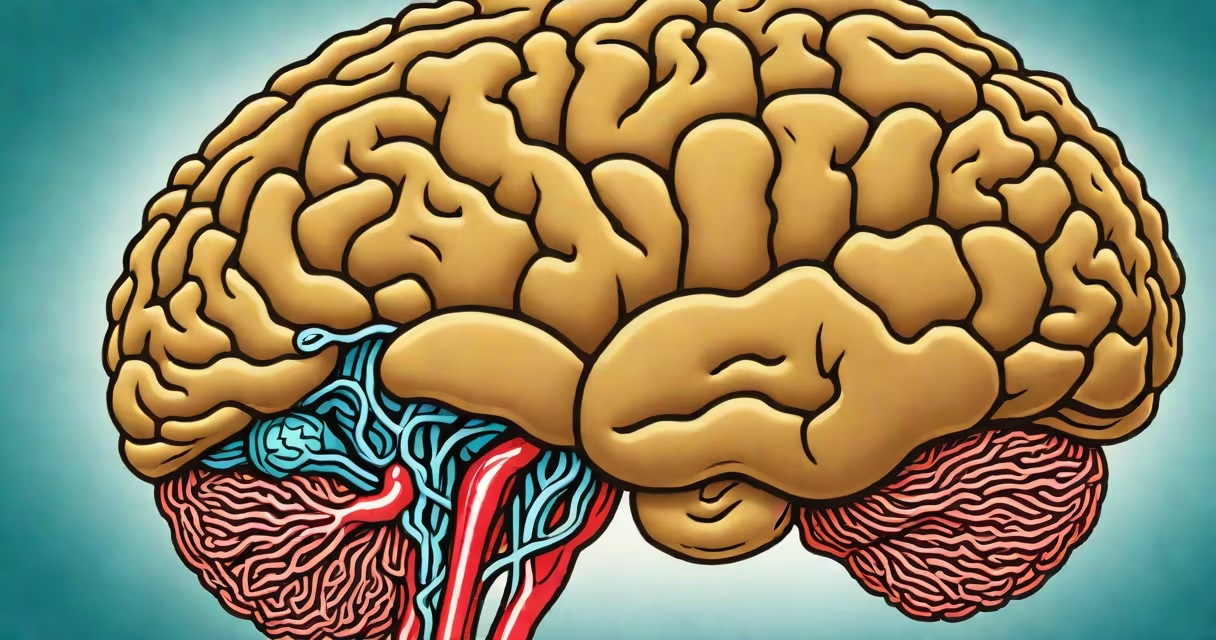
A terminal brain tumor is a malignant brain neoplasm that has advanced to a stage where curative treatment is no longer possible, and survival is measured in weeks to months. It typically arises from aggressive primary tumors like glioblastoma or spreads from cancers originating elsewhere in the body.
When doctors classify a brain tumor as terminal, they mean the disease has progressed beyond control, and the focus shifts from curing the illness to managing symptoms and maintaining quality of life. This stage is distinct from early or intermediate stages, where treatments such as surgery, radiation, or chemotherapy may still offer meaningful benefit.
According to the American Brain Tumor Association, approximately 15% of newly diagnosed glioblastoma cases are classified as terminal at diagnosis due to widespread infiltration or poor performance status. The term "terminal" reflects medical reality, not a judgment about patient worth or potential.
How a Terminal Brain Tumor Develops
Most terminal brain tumors originate from glial cells-supportive tissue in the brain-or metastasize from cancers in the lungs, breast, colon, or skin. Glioblastoma multiforme (GBM), the most common and aggressive primary brain tumor, frequently progresses to a terminal state within 12 to 15 months after diagnosis despite treatment.
Tumors grow by hijacking blood vessels and infiltrating healthy brain tissue. As they expand, they compress critical areas responsible for movement, speech, memory, and consciousness. The brain's limited space means even small increases in volume cause significant pressure, leading to seizures, cognitive decline, and neurological deficits.
For example, a 62-year-old woman with GBM developed worsening headaches and confusion over six weeks. MRI scans showed a 4.5 cm mass in the left frontal lobe with surrounding edema. Despite receiving temozolomide chemotherapy and radiation, her condition deteriorated rapidly. Within two months, she required hospice care due to declining mental status and inability to communicate.
Types and Origins of Terminal Brain Tumors
Terminal brain tumors fall into two categories: primary and secondary. Primary tumors begin in the brain, while secondary tumors spread from other organs. The most common terminal primary tumor is glioblastoma, which accounts for nearly 50% of malignant primary brain tumors in adults.
Secondary tumors-also called brain metastases-are more frequent. They occur in about 10-30% of people with systemic cancer. Lung cancer is the most likely source, followed by melanoma, breast, and colorectal cancers. These tumors often appear as multiple lesions scattered across both hemispheres.
| Type | Origin | Common Sites | Prognosis (Median Survival) |
|---|---|---|---|
| Glioblastoma (primary) | Glial cells in brain | Frontal, temporal lobes | 12-15 months |
| Lung cancer metastasis | Lungs | Multiple sites, often near surface | 3-6 months |
| Melanoma metastasis | Skin | Deep white matter, cerebellum | 4-7 months |
| Breast cancer metastasis | Breast tissue | Parasagittal, cortical regions | 6-10 months |
Some tumors-like low-grade gliomas-can remain stable for years before transforming into high-grade forms. When this transformation occurs, the disease may suddenly become terminal. A 2021 study in Neuro-Oncology found that 30% of patients with initially slow-growing gliomas experienced rapid progression within 6 months of diagnosis, leading to terminal status.
Why It's Misunderstood and How to Clarify
Many people confuse "terminal" with "imminent death." A terminal diagnosis does not mean the patient will die within days. It means the disease has reached a point where further treatment won't stop progression. Patients may live several months with good symptom control.
Another misconception is that terminal brain tumors always cause severe pain. While headaches and nausea are common, pain is not universal. Medications like dexamethasone reduce swelling and alleviate pressure-related discomfort. Opioids are reserved for refractory pain and used sparingly to avoid sedation.
Terminal brain tumors are not synonymous with brain death. Brain death occurs when all brain function ceases irreversibly. A person with a terminal brain tumor may remain conscious, responsive, and capable of communication until very late stages. One patient I observed during palliative care maintained lucid conversation for five weeks after being told his tumor was terminal, despite progressive weakness.
Care and Support During Terminal Stages
At this stage, treatment goals shift from prolonging life to preserving dignity and comfort. Palliative care teams specialize in managing symptoms such as seizures, fatigue, mood changes, and difficulty swallowing. They work alongside neurologists and oncologists to adjust medications and support families.
Medications commonly used include anticonvulsants for seizure prevention, corticosteroids to reduce brain swelling, and anti-anxiety drugs to ease distress. Non-pharmacological strategies-such as music therapy, gentle touch, and family presence-also improve well-being.
Advance directives and discussions about resuscitation preferences are essential. The National Institute of Neurological Disorders and Stroke (NINDS) recommends that patients complete a living will and designate a healthcare proxy before cognitive decline begins. This ensures decisions align with personal values.
When a brain tumor becomes terminal, the focus turns to human connection, symptom relief, and honoring the patient's wishes. The goal is not to extend time, but to make every remaining day meaningful.