
What Is Bile Acid Diarrhea
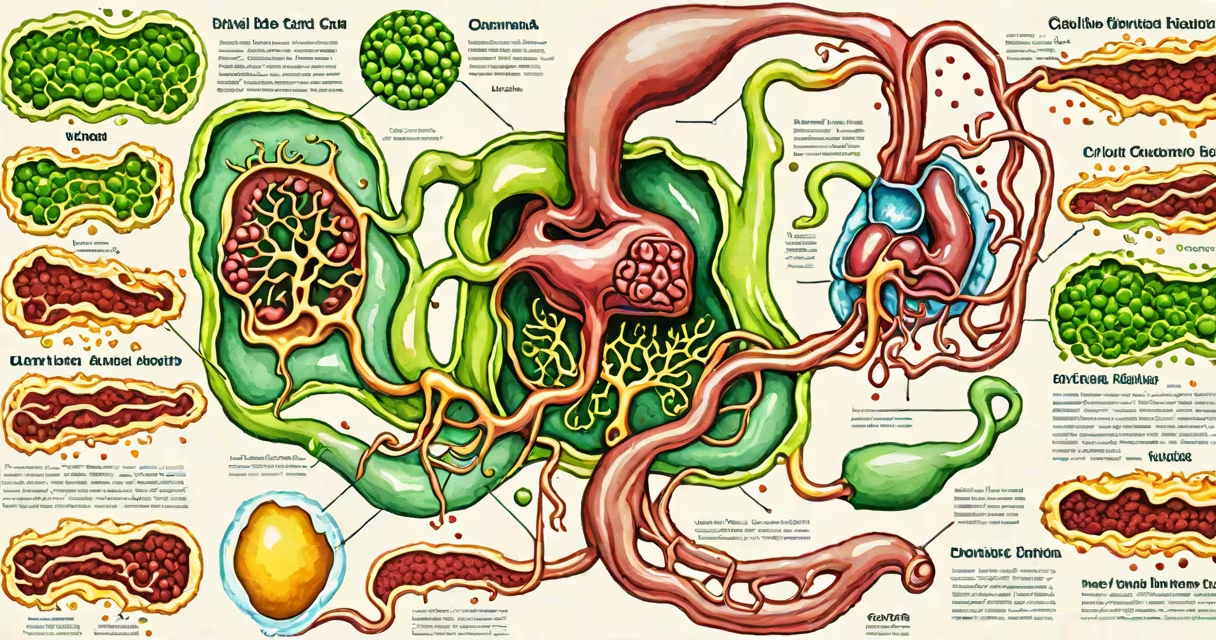
Bile acid diarrhea is a condition where excessive bile acids reach the colon and stimulate water secretion, leading to chronic, watery diarrhea. It occurs when bile acids aren't properly reabsorbed in the ileum, disrupting normal intestinal function.
This disorder is often misdiagnosed as irritable bowel syndrome (IBS) or inflammatory bowel disease. Unlike those conditions, bile acid diarrhea stems from a failure in bile acid recycling, not inflammation or motility issues. The primary symptom is frequent, loose stools, especially after meals, which may persist for months without improvement.
According to the American College of Gastroenterology, bile acid diarrhea accounts for up to 10% of chronic diarrhea cases in adults. It's more common in women and often develops after gallbladder removal, though it can occur without prior surgery.
How Bile Acid Diarrhea Works
Bile acids are produced in the liver and stored in the gallbladder. They're released into the small intestine during digestion to break down fats. Normally, about 95% of bile acids are reabsorbed in the terminal ileum and returned to the liver via the portal vein-a process called enterohepatic circulation.
In bile acid diarrhea, this cycle breaks down. Damage to the ileum-caused by surgery, Crohn's disease, or infection-impairs reabsorption. As a result, unabsorbed bile acids travel to the colon. There, they act as detergents, drawing water into the bowel and increasing gut motility. This leads to urgent, frequent bowel movements.
A 2021 study published in Gastroenterology found that patients with bile acid diarrhea had higher fecal bile acid levels compared to healthy controls. Levels above 100 μmol/g stool were strongly associated with diarrhea symptoms.
Types and Causes
Bile acid diarrhea is classified into two main types based on underlying cause:
| Type | Primary Cause | Prevalence | Common Triggers |
|---|---|---|---|
| Secondary | Ileal dysfunction or damage | ~70% | Gallbladder surgery, Crohn's disease, radiation enteritis |
| Primary | Unknown ileal dysfunction | ~30% | No known structural damage; likely genetic or autoimmune factors |
Secondary bile acid diarrhea most frequently follows cholecystectomy. A 2019 retrospective analysis showed that 15% of patients developed diarrhea within six months of gallbladder removal. The risk increases with age and pre-existing gastrointestinal conditions.
Primary bile acid diarrhea lacks identifiable structural damage. Research suggests it may stem from impaired expression of the ileal bile acid transporter (ASBT). A 2020 study in The Journal of Clinical Endocrinology & Metabolism identified mutations in the SLC10A2 gene (which codes for ASBT) in 12% of patients with unexplained chronic diarrhea.
Where and Why It's Used in Diagnosis
Bile acid diarrhea is diagnosed through a combination of clinical history, symptom patterns, and specialized tests. The gold standard is the SeHCAT scan (selenium homocholic acid taurine), which measures bile acid retention. A retention rate below 10% confirms the diagnosis.
However, SeHCAT is not widely available. In its absence, doctors use the 7-day bile acid test (measuring fecal bile acids), or a therapeutic trial with bile acid sequestrants. A positive response to medication supports the diagnosis.
Patients often undergo multiple tests before receiving a correct diagnosis. One patient reported visiting five gastroenterologists over two years before being correctly diagnosed with bile acid diarrhea after a trial of colesevelam reduced her daily bowel movements from 8 to 2.
Common Misconceptions and Distinctions
Bile acid diarrhea is frequently mistaken for IBS-D (diarrhea-predominant IBS). Both involve frequent loose stools, but IBS-D lacks objective biomarkers. Bile acid diarrhea is a physiological disorder with measurable biochemical abnormalities.
Another key difference: bile acid diarrhea typically presents with urgency and nocturnal symptoms. Patients report needing to use the bathroom immediately after eating, sometimes waking at night. IBS-D tends to have more variable timing and less consistent triggers.
Bile acid diarrhea is not caused by diet alone. While fatty foods can worsen symptoms, the root issue lies in bile acid metabolism. A high-fat meal doesn't trigger diarrhea in healthy individuals because their ileum efficiently reabsorbs bile acids. In affected patients, the same meal overwhelms the system.
One non-obvious fact: bile acid diarrhea can coexist with constipation. Some patients alternate between diarrhea and constipation, a pattern known as mixed-type. This happens when bile acid overload disrupts colonic transit irregularly. Up to 18% of patients with bile acid diarrhea report alternating bowel habits, according to a 2022 cohort study.
Treatment and Management
First-line treatment involves bile acid sequestrants-medications that bind bile acids in the gut and prevent them from stimulating the colon. Common options include cholestyramine, colestipol, and colesevelam.
Colesevelam is preferred due to better tolerability. A randomized controlled trial in Alimentary Pharmacology & Therapeutics showed that 76% of patients on colesevelam experienced significant symptom reduction after four weeks, compared to 41% on placebo.
Dosing varies. Colesevelam is typically started at 625 mg twice daily, adjusted based on response. Side effects include bloating and flatulence, but these usually subside after two weeks. The drug is not absorbed systemically, so it doesn't interfere with fat-soluble vitamins unless taken long-term without monitoring.
For patients who don't respond to sequestrants, newer therapies are emerging. Eluxadoline, approved for IBS-D, shows modest benefit in bile acid diarrhea, though it's not FDA-approved for this indication. Research is ongoing into targeted ASBT inhibitors.
When to Seek Care
If loose stools last longer than four weeks, especially with urgency or nocturnal episodes, consult a gastroenterologist. Chronic diarrhea increases the risk of dehydration, electrolyte imbalance, and weight loss.
Testing should begin with a fecal bile acid assay or a trial of bile acid sequestrants under medical supervision. Avoid self-treating with over-the-counter antidiarrheals-they mask symptoms without addressing the root cause.
Early diagnosis improves outcomes. A 2023 review in Current Opinion in Gastroenterology noted that patients treated within six months of symptom onset had a 70% remission rate, compared to 40% in those diagnosed after two years.
Bile acid diarrhea is a treatable cause of chronic diarrhea. Recognizing it early prevents unnecessary testing and improves quality of life. If you have ongoing loose stools, ask your doctor about bile acid-related causes.