
Why Is My Stool Always Soft
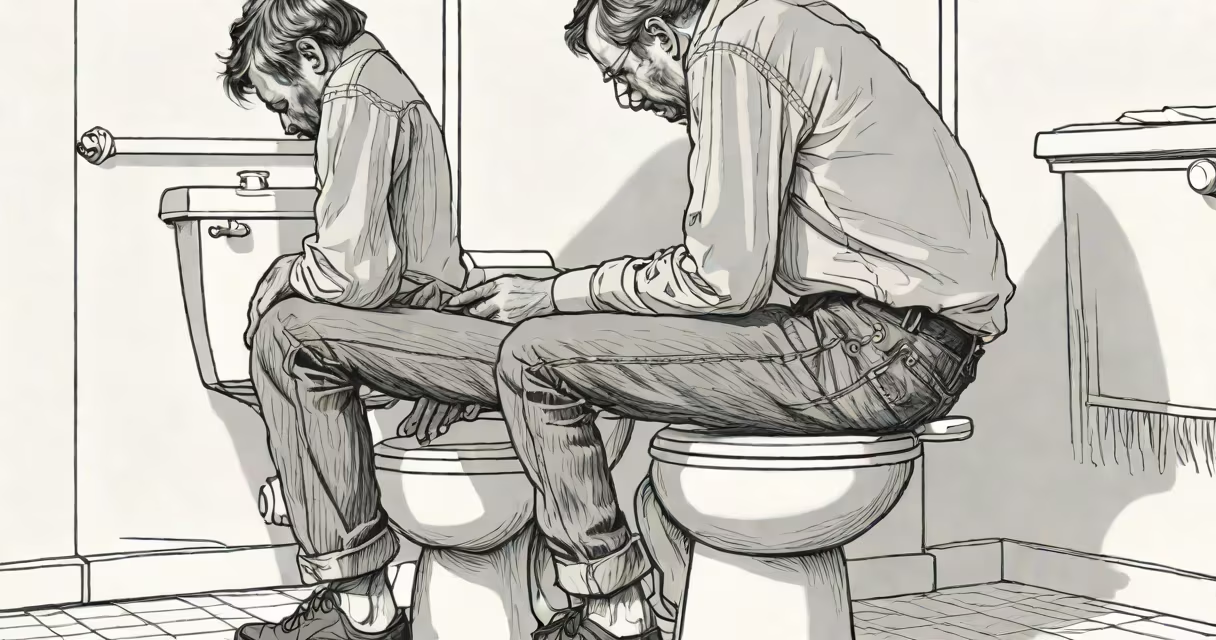
Consistently soft or mushy stool-defined as stool that lacks firmness and often resembles a pudding-like consistency-can result from dietary habits, gut microbiome imbalances, infections, or underlying gastrointestinal conditions such as irritable bowel syndrome (IBS) or inflammatory bowel disease (IBD).
Stool consistency is primarily influenced by water content, fiber intake, and gut motility. The Bristol Stool Scale classifies stool into seven types, with Types 3 and 4 being ideal-formed but soft. Types 5 through 7 represent increasingly loose or liquid stool. Consistently passing Type 5 or higher suggests ongoing soft stool.
When stool remains soft over multiple days, especially with changes in frequency, urgency, or abdominal discomfort, it signals a disruption in normal digestion. This pattern warrants attention, particularly if it persists beyond a few days or interferes with daily life.
How Soft Stool Forms
Soft stool arises when the colon fails to absorb enough water from digested food. Normally, the large intestine reabsorbs water as waste moves through, forming solid stool. When transit time is too fast-due to stress, certain foods, or inflammation-water doesn't have time to be absorbed, resulting in softer output.
High-fiber diets can contribute to soft stool if fiber increases rapidly without adequate hydration. Soluble fiber, found in oats, bananas, and psyllium, absorbs water and forms a gel-like substance that can soften stool. While beneficial for regularity, sudden increases can lead to looser bowel movements.
A study published in Gastroenterology found that individuals with diarrhea-predominant IBS (IBS-D) had faster colonic transit times compared to healthy controls, correlating with increased stool fluid content and reduced stool firmness.
Common Causes of Persistent Soft Stool
Dietary factors are the most frequent cause of soft stool. High intake of fructose (found in fruit juices and sweeteners), lactose (in dairy), or artificial sweeteners like sorbitol and xylitol can draw water into the intestines via osmosis, leading to loose or soft stool.
Infections-bacterial, viral, or parasitic-can temporarily disrupt gut function. For example, Salmonella or Cryptosporidium infections often present with watery diarrhea lasting 3-7 days. Even mild cases may leave residual soft stool for several days after resolution.
Chronic conditions such as celiac disease, ulcerative colitis, and chronic pancreatitis impair nutrient absorption and enzyme production. A 2021 review in The American Journal of Gastroenterology reported that up to 60% of patients with untreated celiac disease experienced frequent soft or loose stools due to malabsorption of fats and carbohydrates.
| Category | Specific Cause | Typical Duration | Red Flag Signs |
|---|---|---|---|
| Dietary | Excess fructose, lactose, or artificial sweeteners | Hours to 2 days after consumption | Diarrhea after eating specific foods |
| Infection | Bacterial (e.g., E. coli), viral (norovirus), parasitic (giardia) | 3-7 days | Fever, blood in stool, severe cramping |
| Chronic Condition | IBS-D, celiac disease, Crohn's disease | Weeks to months | Unintentional weight loss, fatigue, anemia |
One non-obvious factor is medication use. Laxatives, antibiotics, and even some antacids containing magnesium can alter stool consistency. Antibiotics disrupt the balance of gut bacteria, reducing protective species like Lactobacillus and Bifidobacterium, which help regulate water absorption in the colon.
When Soft Stool Isn't Normal
Occasional soft stool is common and usually resolves within 24-48 hours. However, if soft stool occurs daily for more than five days, especially with other symptoms, it may indicate a deeper issue.
Red flags include unintentional weight loss, persistent fatigue, blood in stool, nighttime awakenings due to bowel urgency, or a family history of IBD or colorectal cancer. These warrant evaluation by a gastroenterologist.
I once observed a patient who reported soft stool for six weeks. Initial testing showed no infection or celiac markers. After eliminating high-fructose corn syrup from their diet-common in packaged snacks and sodas-the stool normalized within four days. This case illustrates how subtle dietary triggers can go unnoticed.
What It's Not
Soft stool is not synonymous with diarrhea. Diarrhea involves more than three loose or liquid stools per day and often includes urgency, bloating, or cramping. Soft stool may occur without these features.
Also, soft stool does not necessarily mean poor hygiene or "bad" digestion. Many people maintain excellent health while consistently producing Type 4 or 5 stool. The key is consistency and symptom burden-not just appearance.
Some assume soft stool indicates overeating or poor diet. But a balanced diet rich in fruits, vegetables, and whole grains can still produce soft stool due to high fiber content. The absence of pain or weight loss makes this unlikely to be pathological.
Next Steps and Evaluation
If soft stool persists beyond a week despite dietary adjustments, consult a healthcare provider. Basic tests may include a fecal calprotectin test to screen for intestinal inflammation or a stool culture to rule out infection.
For recurring issues, a gastroenterologist may recommend a hydrogen breath test to assess carbohydrate malabsorption or a colonoscopy to evaluate for structural abnormalities.