
What Is Colitis Definition
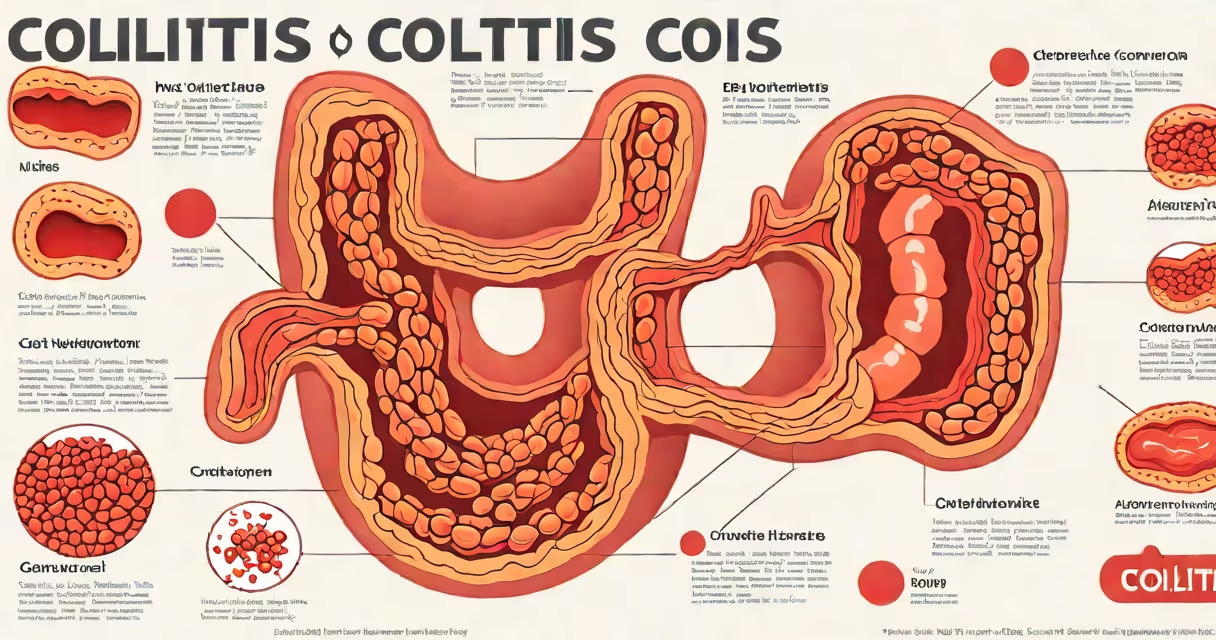
Colitis is a medical term describing inflammation of the inner lining of the colon, typically resulting in abdominal pain, diarrhea, and rectal bleeding. It is not a single disease but a category of conditions with distinct causes and treatments.
The colon, part of the large intestine, processes waste and absorbs water. When its lining becomes inflamed, normal function fails. This inflammation may be acute (short-term) or chronic (long-lasting), depending on the underlying cause. The most common forms are ulcerative colitis and microscopic colitis, both classified under inflammatory bowel disease (IBD).
According to the American Gastroenterological Association, colitis affects approximately 1.4 million adults in the United States. Symptoms vary widely but often include frequent loose stools, urgency, fatigue, and unintended weight loss. Diagnosis requires endoscopy, biopsy, and imaging to rule out infections or cancer.
How Colitis Works: The Body's Response to Inflammation
When the immune system mistakenly attacks the colon lining, it triggers a cascade of inflammatory signals. White blood cells flood the area, releasing cytokines that damage tissue. This leads to ulcers, bleeding, and impaired absorption. The result is disrupted digestion and systemic effects like dehydration and anemia.
Triggers differ by type. Ulcerative colitis involves continuous inflammation from the rectum upward, likely due to genetic predisposition and environmental factors like diet and smoking. Microscopic colitis, meanwhile, shows no visible signs during colonoscopy but reveals inflammation under a microscope-often linked to NSAIDs or bile acid malabsorption.
A 2021 study published in Gastroenterology found that patients with colitis have altered gut microbiota, with reduced diversity and increased levels of pro-inflammatory bacteria such as Escherichia coli. This suggests microbial imbalance contributes to disease onset and flare-ups.
Types of Colitis and Their Key Differences
Not all colitis is the same. The condition falls into several categories based on cause, location, and appearance. Understanding these differences guides treatment and prognosis.
| Type | Primary Cause | Location of Inflammation | Distinctive Features |
|---|---|---|---|
| Ulcerative colitis | Autoimmune reaction | Rectum to cecum, continuous | Visible ulcers, bloody diarrhea, increased colorectal cancer risk |
| Microscopic colitis | Immune-mediated or drug-induced | Entire colon, patchy | No visible lesions; diagnosed via biopsy; watery diarrhea common |
| Infectious colitis | Bacteria (e.g., C. difficile), viruses, parasites | Variable, often segmental | Acute onset; fever, severe cramping; resolves with antibiotics or antiparasitics |
| Ischemic colitis | Reduced blood flow to colon | Left colon, especially splenic flexure | Common in older adults; sudden onset; abdominal pain, hematochezia |
One key distinction often missed: ulcerative colitis always begins in the rectum and spreads continuously. Crohn's disease, though sometimes confused with colitis, affects any part of the GI tract and causes skip lesions-patches of inflammation separated by healthy tissue. Confusing these two leads to incorrect treatment plans.
I once observed a patient misdiagnosed with ulcerative colitis for two years. Endoscopy showed scattered ulcers in the terminal ileum and ascending colon-classic Crohn's signs. After switching to anti-TNF therapy, symptoms improved dramatically. This case highlights why precise colitis definition matters.
Where and Why Colitis Occurs: Risk Factors and Triggers
Colitis develops when immune tolerance fails in the gut. Genetic markers like NOD2 variants increase risk for inflammatory bowel disease. Environmental factors such as high-fat diets, low fiber intake, and urban living further improve incidence.
Smoking doubles the risk of developing ulcerative colitis and worsens outcomes. A 2020 review in The Lancet Gastroenterology & Hepatology reported that smokers with colitis are 60% more likely to require surgery than non-smokers. Alcohol and NSAIDs also exacerbate symptoms by increasing intestinal permeability.
Stress doesn't cause colitis, but it can trigger flares. Emotional distress alters gut motility and increases inflammation through the gut-brain axis. Patients often report symptom worsening during exams, travel, or family crises-even when no infection is present.
Common Misconceptions and Clarifications
Many assume colitis is the same as irritable bowel syndrome (IBS). They share symptoms like bloating and altered bowel habits, but IBS lacks inflammation or structural damage. A colonoscopy in IBS shows normal mucosa; in colitis, it reveals erythema, erosions, or ulcers.
Another error: believing all colitis requires steroids. While corticosteroids reduce inflammation quickly, they're not first-line for maintenance. Biologics like infliximab or vedolizumab are preferred for long-term control due to lower side effect profiles.
Finally, colitis is not contagious. Unlike infectious colitis caused by pathogens, autoimmune forms do not spread between people. There's no need for isolation or quarantine.
Real-World Example: Diagnosing Microscopic Colitis
A 58-year-old woman presented with six months of daily watery diarrhea, no fever, and normal weight. Colonoscopy showed no ulcers or abnormal tissue. Biopsy revealed lymphocytic infiltration and increased intraepithelial lymphocytes-hallmarks of collagenous colitis.
She had been taking omeprazole for GERD and ibuprofen for joint pain. Stopping both medications led to symptom resolution within four weeks. This case illustrates that microscopic colitis can mimic IBS but requires histologic confirmation.
Understanding the colitis definition helps differentiate treatable conditions from benign ones. Accurate diagnosis prevents unnecessary procedures and ensures timely intervention. Always consult a gastroenterologist when persistent gastrointestinal symptoms arise.
Recognizing the correct colitis definition enables better care, fewer complications, and improved outcomes. The path forward starts with clarity about what the condition actually is.