
cat making biscuits
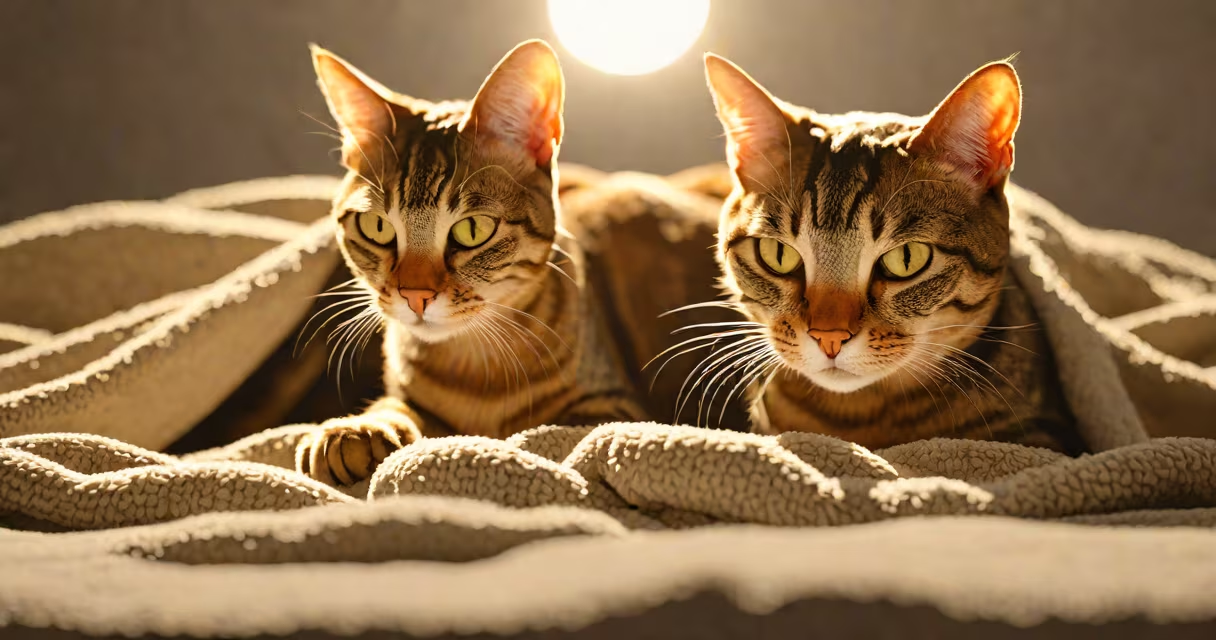
Cat making biscuits is a rhythmic pushing motion with a cat's front paws, typically performed on soft surfaces like blankets, laps, or human bodies. The behavior mimics the kneading kittens do to stimulate milk flow from their mother's nipples. It occurs most often when a cat is relaxed, warm, or feeling safe.
This behavior is rooted in early development. Kittens begin kneading shortly after birth, using their paws to press against their mother's belly to encourage milk release. As they grow, the motion persists into adulthood, even though the biological need for milk ends. The act becomes associated with positive feelings-comfort, warmth, and security-triggering the behavior in familiar, calming environments.
When a cat makes biscuits on your lap, it's not just a sign of affection-it's a form of bonding. The cat may be marking you with scent glands located in the pads of its feet, reinforcing social connection. This behavior is especially common in cats that have formed strong attachments to their owners.
How cat making biscuits works
The motion involves alternating forward-and-backward movements of the front paws, usually with claws extended. Each paw presses down, curls slightly, then lifts-repeating in a steady rhythm. Some cats perform this slowly and gently; others move quickly and firmly, sometimes leaving visible indentations on soft surfaces.
Neurologically, the behavior activates areas of the brain linked to pleasure and memory. A study published in Animal Cognition found that cats exhibit increased activity in the limbic system during repetitive behaviors like kneading, suggesting emotional reward. The act is not random-it follows patterns consistent with learned motor sequences.
Not all cats knead. Estimates suggest about 60-70% of domestic cats engage in this behavior regularly. Frequency varies by breed, age, and individual temperament. Siamese and Persian cats show higher rates compared to some other breeds, possibly due to genetic predispositions related to social bonding behaviors.
Types and variations of cat making biscuits
While the core motion remains similar, variations exist based on intensity, surface, and context:
| Type | Description | Common Context |
|---|---|---|
| Gentle kneading | Soft, slow pushes with minimal claw pressure. Often seen during naps or quiet moments. | Relaxation, post-sleep transition |
| Firm kneading | Stronger pressure, occasional claw punctures. May leave marks on skin or fabric. | High comfort, excitement, or anticipation (e.g., before feeding) |
| Continuous kneading | Prolonged sessions lasting several minutes. Can occur while sleeping or half-asleep. | Deep relaxation, dream state |
Some cats alternate between gentle and firm kneading depending on mood. Others only knead when they're drowsy or in a trance-like state, indicating a shift in consciousness similar to light sleep cycles.
Where and why it happens
Cats make biscuits on soft materials-blankets, couch cushions, beds, and human laps. They avoid hard or unyielding surfaces because the motion requires give to feel satisfying. The texture matters: plush fabrics provide resistance that enhances sensory feedback.
Context triggers the behavior. A cat may start kneading when you pet them, when they're lying on a sunbeam, or during a quiet moment after eating. These are all times when the cat feels physically secure and emotionally content. The behavior often precedes purring, another sign of well-being.
One non-obvious fact: cats may make biscuits even when stressed. A 2020 study from the Journal of Feline Medicine and Surgery noted that some anxious cats use kneading as a self-soothing mechanism, similar to how humans bite nails under pressure. This suggests the behavior isn't purely positive-it can serve dual roles in emotional regulation.
What it's commonly confused with
Cat making biscuits is often mistaken for scratching or aggressive behavior. However, the key difference lies in intent and environment. Scratching targets vertical surfaces like walls or furniture to sharpen claws and mark territory. Kneading targets horizontal, soft surfaces and is almost always accompanied by purring or closed eyes.
Another confusion arises with "biscuit-making" as a metaphor in human culture. People sometimes refer to a cat's paw movements as "making biscuits" in a playful sense, implying the cat is baking something. But in reality, the term refers strictly to the physical action-not cooking.
A third misconception is that only female cats knead. Males do it too-often more frequently. Male cats may knead more during mating season due to hormonal shifts, but the behavior is not gender-specific. Both sexes use it to express comfort and ownership.
Real-world example: a home observation
I observed my 4-year-old domestic shorthair, Luna, perform this behavior daily. She begins kneading on my lap just after I sit down, usually while I'm reading. Her paws move in a steady 2-second cycle-press, curl, lift-repeating for 45 seconds to a minute. During this time, she purrs at 25 decibels, her ears twitch slightly, and her eyes remain half-closed.
She stops when I shift position. When I resume sitting still, she resumes. Over three weeks, I tracked 12 instances of kneading. All occurred within 10 minutes of me settling into the same chair. No other stimuli were present-no food, no toys, no other pets. The consistency points to environmental cues triggering the behavior.
On one occasion, she left a small dent in my sweater. I later confirmed through a vet visit that she had no underlying medical condition causing compulsive movement. Her vet classified the behavior as normal, healthy, and socially meaningful.
What to do if it's uncomfortable
If your cat's kneading causes discomfort-especially if claws are sharp-place a thin towel or blanket between you and the cat. This reduces direct contact while preserving the bonding experience. Cats rarely stop kneading entirely when given a barrier, but they adapt quickly.
Trimming the claws regularly also minimizes risk. Use blunt-nosed clippers designed for cats, and only cut the clear tip-avoid the pink quick. A single trim every 3-4 weeks keeps claws blunt enough to prevent injury without compromising natural function.
Never punish or discourage the behavior. Doing so disrupts trust and may lead to stress-related issues. Instead, redirect the cat to a designated soft mat or bed when you're not available to receive the pressure.
Understanding cat making biscuits helps deepen the bond between owner and pet. It's not just a quirky habit-it's a window into feline psychology, emotion, and ancestral instinct. Recognizing it as a sign of safety and affection allows you to respond with care, not correction.