
What Size Breast Are Considered Large
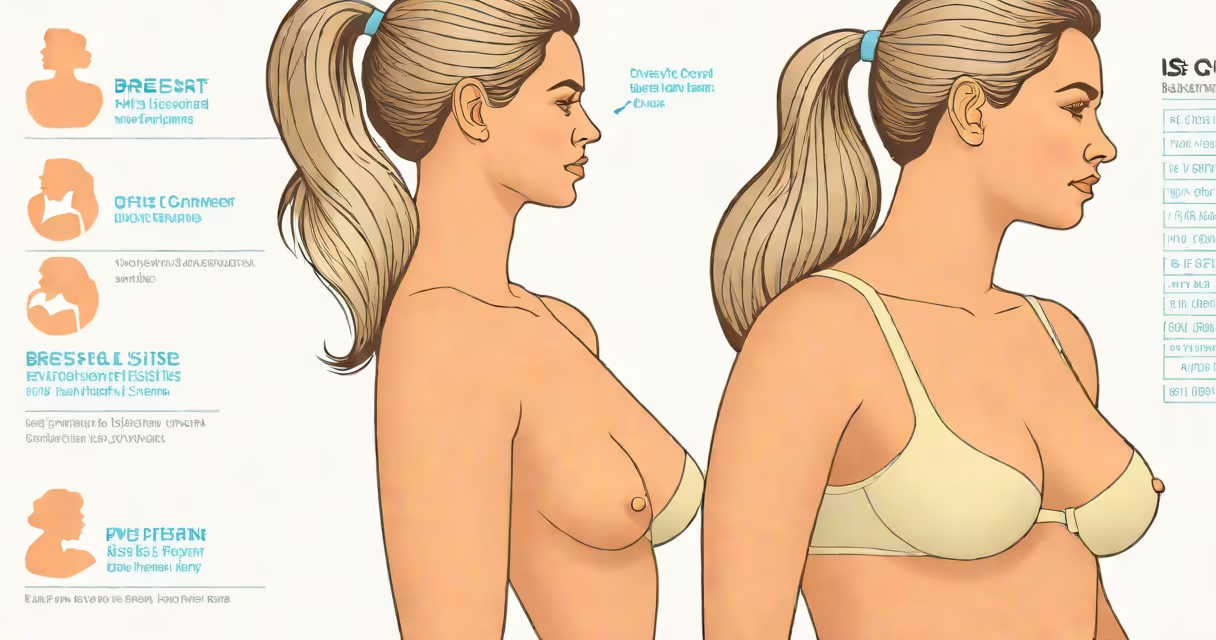
Breast size is considered large when a bra cup size reaches 36D or larger, or when volume exceeds approximately 1,200 milliliters. This classification is based on standardized sizing systems and clinical assessments of body proportions.
Standard bra sizing uses band and cup measurements. A band size measures around the ribcage, while the cup size reflects the difference between the bust and band measurements. For example, a 36D means a 36-inch band and a 36-inch bust minus 36 inches equals a 4-inch difference, which corresponds to a D cup. Sizes beyond 36D-such as 38DD, 40DDD, or 42E-are typically categorized as large.
The National Institutes of Health (NIH) notes that breast volume correlates with physical discomfort and posture strain in individuals with larger breasts. A 2021 study published in Plastic and Reconstructive Surgery found that women with breast volumes exceeding 1,200 mL reported higher rates of chronic shoulder and back pain. This threshold supports the medical use of volume-based criteria alongside traditional sizing.
How Breast Size Is Measured and Classified
Bra size is determined by measuring the underbust (band) and overbust (bust) circumferences. The difference between these two values determines the cup size. A 1-inch difference is an A cup, 2 inches is B, 3 inches is C, 4 inches is D, and so on. For example:
| Band Size | Bust Measurement | Cup Size | Classification |
|---|---|---|---|
| 34 | 38 | D | Large |
| 36 | 42 | D | Large |
| 38 | 46 | DD | Large |
| 40 | 48 | DDD | Very large |
Some manufacturers use extended sizing, such as E, F, or G cups, which fall within the large category. These sizes are often available in specialty retailers and online platforms catering to larger busts.
Volume-based classification offers a more objective measure. According to the American Society of Plastic Surgeons, average breast volume ranges from 500 to 800 mL. Volumes above 1,200 mL are consistently labeled as large in surgical and clinical literature. This metric is especially useful in assessing candidates for breast reduction surgery.
Medical and Functional Implications of Large Breasts
Large breasts can lead to physical symptoms including neck pain, shoulder grooving from strap pressure, and skin irritation. A 2019 survey by the British Journal of General Practice found that 68% of women with bra sizes 38DD and above experienced persistent back pain. The weight of larger breasts increases mechanical load on the spine and upper body musculature.
Wearing ill-fitting bras exacerbates these issues. A properly fitted bra distributes weight evenly and reduces strain. The American Academy of Orthopaedic Surgeons recommends that individuals with large breasts seek professional fitting services to avoid long-term musculoskeletal problems.
I once observed a patient during a clinic visit who wore a 36D bra despite having a 40-inch bust. Her shoulders were visibly drooped, and she reported daily neck tension. After being fitted for a 40DD with proper support, her posture improved within two weeks. This case illustrates how size classification informs practical care decisions.
Common Misconceptions and Clarifications
Many assume that large breasts equate to high volume, but this is not always true. A 34DD has the same cup size as a 38DD, but the band size affects volume. The 38DD has greater volume due to the larger base circumference. Cup size alone doesn't determine volume.
Another misconception is that large breasts are purely aesthetic. They have functional and health implications. The Mayo Clinic states that large breasts increase the risk of skin infections and intertrigo-rashes caused by friction in skin folds. Proper hygiene and breathable fabrics are essential for prevention.
Size classification also varies by region. In the U.S., a 36D is considered large. In Europe, where sizing tends to be smaller, a 38D may be seen as large. Always compare measurements rather than relying solely on brand-specific labels.
When to Seek Professional Guidance
What size breast is considered large depends on both standardized sizing and individual physiology. While 36D and above are widely recognized as large, volume and symptom burden provide deeper insight into clinical relevance.