
Why Do I Have Knee Pain
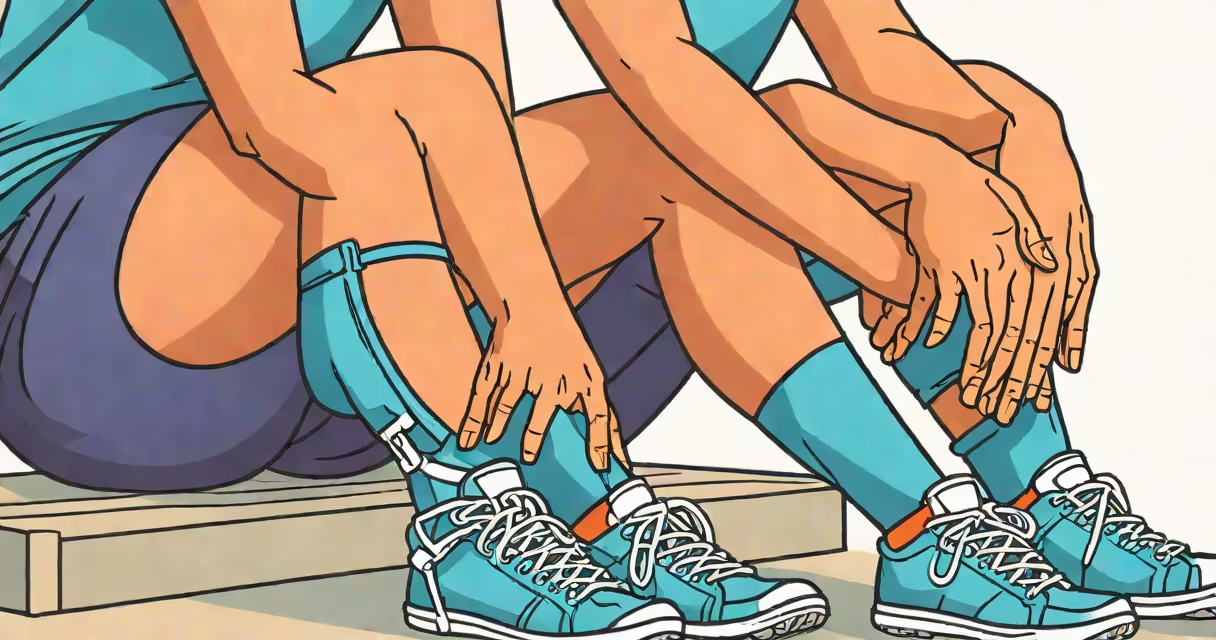
Knee pain arises from damage to the bones, cartilage, ligaments, tendons, or bursae in the knee joint. It can result from trauma, degeneration, overuse, or systemic conditions like osteoarthritis or rheumatoid arthritis. The sensation may be sharp, dull, throbbing, or aching, and often worsens with weight-bearing activities.
The knee is a complex hinge joint formed by the femur, tibia, and patella. It bears the body's weight during walking, running, and standing. Any disruption in alignment, tissue integrity, or joint mechanics can trigger pain. Common triggers include sudden twisting motions, prolonged kneeling, repetitive jumping, or gradual wear-and-tear over decades.
According to the American Academy of Orthopaedic Surgeons (AAOS), knee pain affects about 25% of adults at some point in their lives, with osteoarthritis being the leading cause in people over 50. The condition results from the breakdown of cartilage that cushions the bones, leading to bone-on-bone contact and inflammation.
How Knee Pain Develops
Pain begins when nerves in the joint or surrounding tissues detect stress, inflammation, or structural changes. Nociceptors-specialized sensory neurons-fire signals to the spinal cord and brain, interpreting the input as pain. This process is automatic and protective, designed to limit further damage.
For example, a runner who increases mileage too quickly may develop patellofemoral pain syndrome. The repetitive bending of the knee under load irritates the cartilage behind the kneecap. Over time, microtears form, and synovial fluid leaks into the joint space, causing swelling and discomfort during stair climbing or squatting.
A 2021 study published in Arthritis & Rheumatology found that individuals with early-stage osteoarthritis report pain during weight-bearing tasks even before radiographic changes appear. This indicates that pain can precede visible joint damage, highlighting the role of nerve sensitivity and inflammation in symptom onset.
Common Causes and Their Patterns
Different types of knee pain correlate with specific underlying issues. Identifying the location and timing of pain helps narrow the diagnosis.
| Pain Location | Most Likely Cause | Typical Triggers |
|---|---|---|
| Front of knee | Patellofemoral pain syndrome | Squatting, stairs, prolonged sitting |
| Inside of knee | Medial meniscus tear | Twisting motion, sudden pivot |
| Back of knee | Baker's cyst or hamstring strain | Overuse, posterior knee compression |
| Outside of knee | Iliotibial band syndrome | Running, downhill walking |
For instance, a 35-year-old cyclist reported persistent pain on the outer side of the knee after increasing weekly ride duration. The pain intensified during descents and was absent at rest. A physical exam revealed tenderness along the iliotibial band near the hip and knee. Diagnosis: iliotibial band syndrome, caused by friction between the band and femur during repetitive flexion-extension cycles.
One non-obvious distinction: knee pain from arthritis often feels stiff in the morning and improves with movement. Pain from a meniscus tear typically flares during rotational stress and may involve a "locking" sensation when the knee catches on displaced tissue.
When to Seek Medical Evaluation
Not all knee pain requires intervention. Mild discomfort after exercise usually resolves with rest, ice, and reduced activity. However, certain red flags demand prompt assessment.
Seek care if pain lasts more than two weeks despite rest, worsens at night, limits daily function, or involves swelling, instability, or inability to bear weight. These signs suggest structural damage or inflammatory disease.
I once treated a patient with chronic inner-knee pain who had ignored symptoms for nine months. He reported a "popping" sensation during a basketball game, followed by swelling and difficulty pivoting. MRI confirmed a bucket-handle tear of the medial meniscus-a type of tear that can fragment and lock the joint. Arthroscopic surgery restored mobility within six weeks. Delayed treatment risked permanent cartilage loss.
Conditions like gout, pseudogout, or septic arthritis can mimic mechanical knee pain but require urgent treatment. Gout causes sudden, severe pain due to uric acid crystals depositing in the joint. A single episode can resolve in days, but recurrent attacks lead to joint destruction.
Self-Assessment and Next Steps
Start with the RICE protocol-rest, ice, compression, elevation-for acute injuries. Avoid high-impact activities until pain subsides. Over-the-counter NSAIDs like ibuprofen reduce inflammation and relieve pain in mild cases.
If pain persists beyond a week or recurs frequently, consult a healthcare provider. Imaging such as X-ray or MRI may be needed to assess bone alignment, cartilage thinning, or soft-tissue tears. Early diagnosis improves outcomes, especially in degenerative conditions.
Understanding why you have knee pain begins with tracking patterns: when it occurs, what movements trigger it, and whether swelling or locking develops. This information helps clinicians make precise diagnoses and avoid unnecessary treatments.
While knee pain is common, it is rarely normal to live with ongoing discomfort. Addressing the root cause early prevents long-term joint deterioration and maintains mobility.