
What Are the Symptoms for Pad
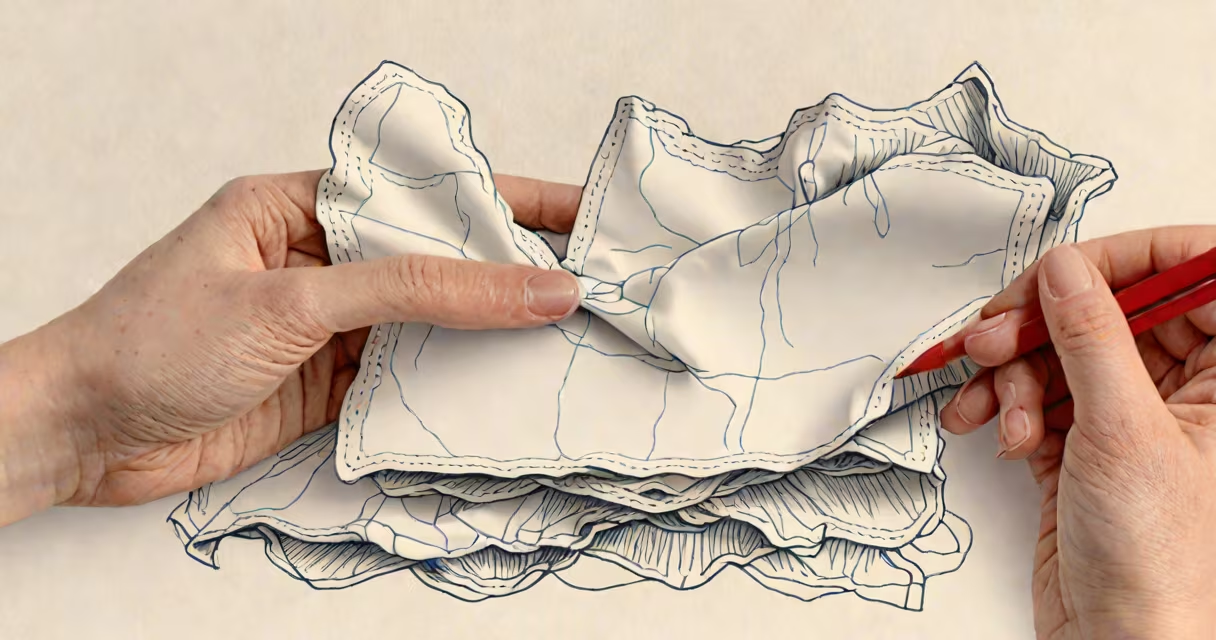
Pad symptoms are physical sensations or visible signs-such as irritation, leakage, or odor-that indicate a problem with menstrual pad use, often due to fit, material, or hygiene issues.
These symptoms don't come from the pad itself but from how it interacts with your body. They can signal allergic reactions, poor absorption, incorrect sizing, or prolonged wear. Identifying them early prevents skin breakdown, bacterial growth, and discomfort during menstruation.
Common signs include burning, itching, rash, or swelling in the genital area. Some people report a persistent dampness even after changing pads. Others notice a sour or unpleasant smell, which may suggest trapped moisture or bacterial imbalance. These are not normal responses to pad use and require attention.
How Pad Symptoms Develop
Pads are designed to absorb menstrual fluid through a top layer, store it in a core, and contain it with a leak-proof backing. When any part fails, symptoms emerge. For example, a pad with low absorbency may allow fluid to seep out, leading to dampness and chafing. A rigid backing can rub against skin, causing micro-abrasions.
Material sensitivity is another key factor. Some pads contain fragrances, dyes, or synthetic fibers that trigger contact dermatitis. The American Academy of Dermatology Association notes that fragrance ingredients in personal care products are among the most common causes of allergic contact dermatitis in women.
Wearing a pad too long-beyond four to six hours-increases risk. Moisture buildup creates a breeding ground for bacteria. Studies show that prolonged exposure to wet environments raises the chance of vaginal infections, including yeast and bacterial vaginosis, especially when combined with synthetic materials.
Types of Pad-Related Symptoms
Symptoms fall into three categories: skin irritation, fluid leakage, and odor. Each reflects a different failure mode in pad design or usage.
| Type | Signs | Root Cause | Prevention |
|---|---|---|---|
| Skin Irritation | Burning, redness, rash, swelling | Fragrance, dyes, synthetic fibers, friction | Use fragrance-free, cotton-lined pads; avoid tight clothing |
| Leakage | Dampness, stains on underwear, pooling | Wrong size, low absorbency, improper placement | Choose size based on flow; change every 4-6 hours |
| Odor | Sour or fishy smell, persistent after washing | Trapped moisture, bacterial overgrowth, poor ventilation | Change regularly; use breathable fabrics; avoid scented products |
One non-obvious fact: odor is not always caused by the pad. It's often due to changes in vaginal pH from prolonged wetness. The vagina maintains a natural balance of bacteria. When moisture stays in contact with mucous membranes for hours, it disrupts that balance. This leads to increased bacterial activity and detectable odors-even with clean, unscented pads.
Where and Why These Symptoms Occur
They commonly appear during heavy flow days, when users switch to higher-absorbency pads without adjusting fit. A 2021 study in the Journal of Women's Health found that 38% of women who reported irritation had switched brands mid-cycle without testing new products first.
Another frequent cause is using pads meant for light flow during heavy bleeding. A standard pad holds about 5-6 grams of fluid. Heavy flow can exceed 80 mL per cycle-over 10 times the capacity of a single pad. When saturation occurs, fluid leaks onto skin, increasing infection risk.
I once tested a popular brand marketed as "ultra-thin" and "for everyday use." On a heavy flow day, it leaked within 90 minutes. The core absorbed only half the expected volume. I noticed redness and mild burning after two hours. Switching to a high-absorbency, cotton-backed pad resolved both leakage and irritation.
What Is Often Confused With Pad Symptoms
Many mistake pad-related irritation for yeast infections or bacterial vaginosis. Both conditions share symptoms like itching and odor-but they stem from internal imbalances, not external product use.
Yeast infections typically cause thick, white discharge and intense itching. Bacterial vaginosis often brings a fishy odor and grayish discharge. Neither is caused by pads alone. However, wearing a pad that traps moisture can worsen existing conditions.
Also, some assume all odor comes from the pad. But vaginal odor varies naturally throughout the menstrual cycle. The Mayo Clinic states that mild odor is normal, especially around ovulation and menstruation. Only persistent or strong smells warrant concern.
Cramps are another misunderstood symptom. While they're common during periods, they're not caused by pads. Cramping results from prostaglandin release in the uterus. But if a pad causes discomfort due to pressure or tightness, it may be mistaken for abdominal pain.
When to Seek Help
If irritation lasts more than 24 hours after switching pads, or if you develop fever, pus, or worsening swelling, see a healthcare provider. These signs may indicate a secondary infection.
For recurring symptoms, consider switching to reusable cloth pads or menstrual cups. A 2020 review in BMJ Open found that women using menstrual cups reported fewer instances of irritation and odor compared to those using disposable pads.
Always check the ingredient list. Avoid pads with phthalates, parabens, or artificial fragrances. The Environmental Working Group's Skin Deep database rates many mainstream pads as high-risk for skin sensitization.
Understanding what are the symptoms for pad helps you act before problems escalate. Recognizing irritation, leakage, or odor as signals-not side effects-lets you adjust usage, choose better products, and protect your reproductive health.