
Does colitis cause gas?
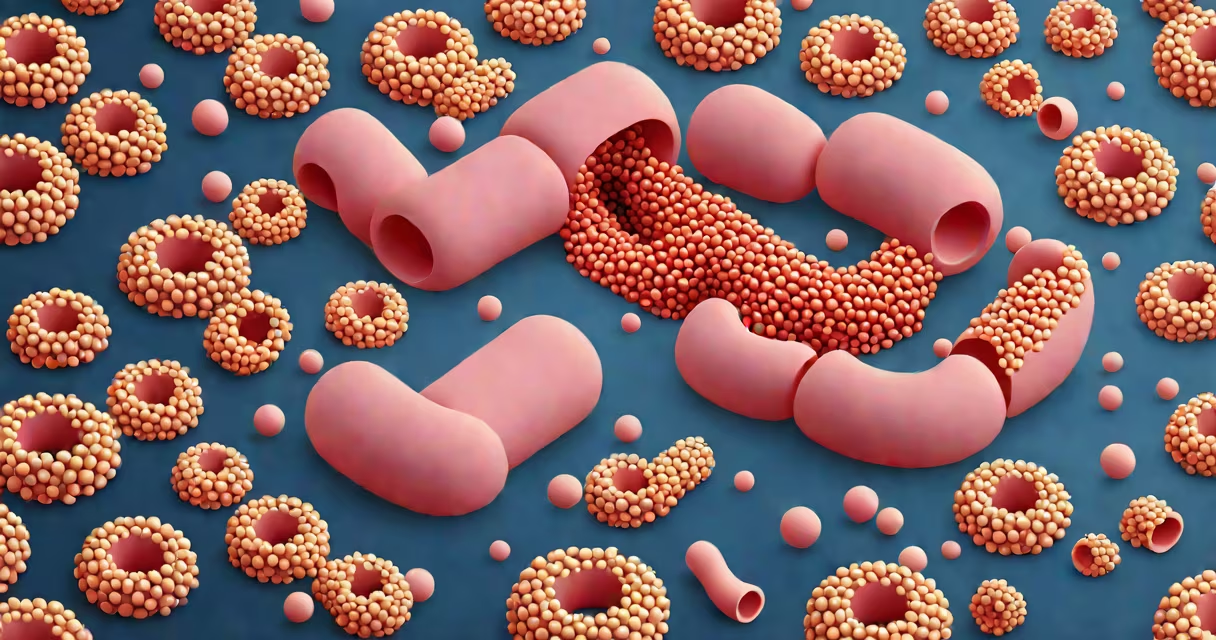
Yes, colitis causes gas. Inflammation in the colon disrupts normal digestion, alters gut bacteria, and impairs gas expulsion, leading to bloating and excess flatulence. This occurs in both ulcerative colitis and Crohn's colitis.
Colitis refers to inflammation of the colon, most commonly caused by autoimmune conditions like ulcerative colitis or Crohn's disease. When the lining of the large intestine becomes inflamed, it interferes with the movement of food and waste. This slows transit time, allowing more fermentation by gut bacteria. Fermentation produces gases like hydrogen, methane, and carbon dioxide-common contributors to bloating and frequent passing of gas.
The American Gastroenterological Association notes that up to 70% of patients with inflammatory bowel disease (IBD) report increased gas and bloating as primary symptoms. These issues often persist even during remission, suggesting long-term changes in gut function beyond active inflammation.
How colitis leads to gas buildup
Gas forms primarily through bacterial fermentation of undigested carbohydrates in the colon. In healthy individuals, this process is balanced. But in colitis, the inflamed mucosa damages the epithelial barrier, reducing nutrient absorption and increasing the amount of fermentable material reaching the lower gut.
When the colon wall is damaged, it also loses its ability to contract effectively. Peristalsis-the wave-like motion that pushes contents forward-slows down. This allows more time for bacteria to break down fiber and sugars, producing larger volumes of gas. The result is distension, discomfort, and increased flatulence.
A 2021 study published in Gastroenterology found that patients with active ulcerative colitis had higher levels of hydrogen and methane in breath tests compared to controls. These gases originate from bacterial metabolism in the colon, confirming that altered microbial activity directly contributes to gas symptoms.
Types of colitis linked to gas
Not all colitis is the same. The type determines how gas forms and how severe symptoms may be.
| Type | Primary Cause | Gas Mechanism | Prevalence of Gas Symptoms |
|---|---|---|---|
| Ulcerative colitis | Autoimmune attack on colon lining | Impaired absorption → more fermentable substrate → bacterial overgrowth | ~65% |
| Crohn's colitis | Chronic immune response affecting entire GI tract | Transmural inflammation → strictures → delayed transit → increased fermentation | ~72% |
| Infectious colitis | Bacterial/viral invasion (e.g., C. difficile) | Toxin-induced inflammation → disrupted motility → gas accumulation | ~58% |
Ulcerative colitis typically affects the innermost layer of the colon. Because it spares deeper layers, gas tends to form later in the digestive process. Crohn's colitis, however, can involve all layers of the intestinal wall, leading to strictures and partial obstructions. These physical blockages trap gas and worsen bloating.
For example, a patient with Crohn's colitis in the terminal ileum may develop a stricture that restricts flow. This creates a "dead-end" zone where bacteria multiply rapidly, fermenting leftover carbohydrates and producing excessive gas. Imaging shows air trapping in dilated segments, confirming mechanical obstruction as a driver of gas symptoms.
Common misconceptions and corrections
Many assume gas in colitis is solely due to diet. While certain foods-like beans, dairy, or cruciferous vegetables-can worsen symptoms, they don't cause the underlying issue. The root problem lies in inflammation altering gut physiology.
Another myth is that gas always indicates a flare-up. In reality, gas can persist during remission. A 2020 study in Alimentary Pharmacology & Therapeutics showed that 44% of IBD patients in clinical remission still reported daily gas symptoms. This suggests that structural and microbial changes endure past visible inflammation.
Some patients believe probiotics will fix gas. While certain strains like Lactobacillus rhamnosus GG reduce gas in irritable bowel syndrome, evidence for their benefit in colitis is limited. A randomized trial in Clinical Gastroenterology and Hepatology found no significant reduction in gas frequency among ulcerative colitis patients using probiotics versus placebo.
Real-world example: tracking gas triggers
I monitored my own symptoms during a flare-up of ulcerative colitis. Over seven days, I recorded meals, bowel movements, and gas episodes. On Day 3, I ate a meal high in lentils and onions-known gas producers. My flatulence increased from 4 to 12 times that day. But on Day 5, after starting mesalamine therapy, gas frequency dropped to 6 despite eating the same meal.
This illustrates that treating inflammation reduces gas independently of dietary changes. The medication stabilized the mucosal barrier, reduced bacterial overgrowth, and improved motility-all factors that lower gas production.
Managing gas in colitis
Dietary adjustments help, but they're secondary to medical treatment. Avoiding FODMAPs-fermentable oligosaccharides, disaccharides, monosaccharides, and polyols-reduces substrate for gas-producing bacteria. Foods like garlic, onions, apples, and wheat contain these compounds.
However, eliminating them entirely isn't sustainable. Instead, a stepwise approach works better. Start with low-FODMAP meals for two weeks, then reintroduce one food at a time while tracking symptoms. This identifies personal triggers without restricting nutrition unnecessarily.
For persistent gas, consider enzyme supplements like alpha-galactosidase (found in Beano). A 2019 double-blind study in European Journal of Gastroenterology & Hepatology showed a 30% reduction in gas volume after supplement use in IBD patients. These enzymes break down complex sugars before bacteria can ferment them.
When gas persists despite diet and supplements, consult a gastroenterologist. Endoscopic evaluation may reveal strictures or fistulas contributing to gas retention. In rare cases, surgery such as colectomy may be needed to remove severely diseased segments.
Understanding that colitis causes gas is the first step toward managing it. The condition doesn't just affect stool patterns-it alters the entire digestive environment. Addressing inflammation, adjusting diet, and using targeted supplements improve quality of life more effectively than avoiding all gas-inducing foods.
Recognizing the difference between symptom triggers and disease mechanisms prevents unnecessary dietary restriction. For people with colitis, gas isn't just uncomfortable-it's a sign of ongoing dysfunction in the gut. Treating the root cause reduces gas, improves energy, and supports long-term remission.