
eating too fast pain in chest
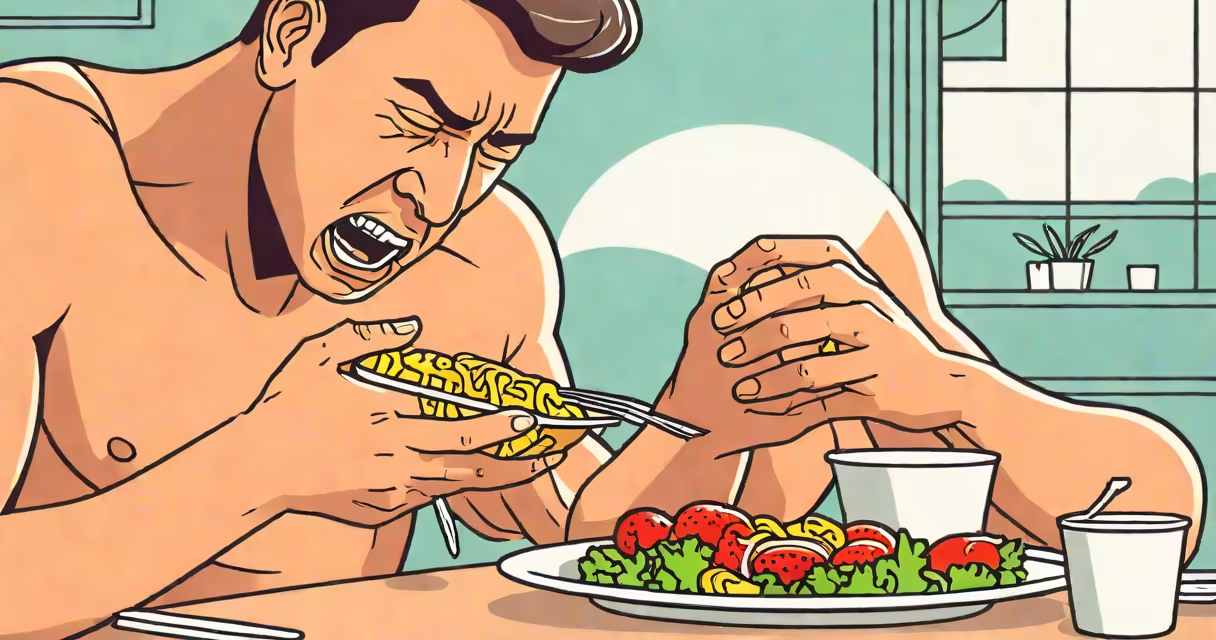
Eating too fast pain in chest occurs when rapid chewing and swallowing cause air intake, increased stomach pressure, or acid reflux, leading to burning, tightness, or pressure behind the breastbone. This sensation often mimics heart-related pain but typically resolves within minutes to hours after stopping eating.
The sensation arises from mechanical and chemical processes in the upper gastrointestinal tract. When food moves too quickly through the mouth and esophagus, the lower esophageal sphincter-the valve between the stomach and esophagus-can fail to close properly. This allows stomach acid to flow backward into the esophagus, causing irritation and a burning feeling known as heartburn. The same mechanism can trigger esophageal spasms, sudden contractions of the esophageal muscles that feel like sharp, squeezing pain.
A 2021 study published in Frontiers in Physiology found that individuals who ate meals in under 10 minutes were 2.3 times more likely to report postprandial chest discomfort compared to those who took 20 minutes or longer. The study tracked 1,240 adults across four U.S. cities and confirmed that eating speed independently correlates with gastrointestinal symptoms, even after adjusting for BMI, alcohol use, and caffeine consumption.
How It Works: The Body's Response to Fast Eating
When you eat rapidly, your brain doesn't receive signals of fullness until you've already consumed excess food. The hormone ghrelin, which stimulates appetite, remains elevated longer. Simultaneously, the stretch receptors in the stomach wall don't activate in time, leading to overfilling. A distended stomach pushes upward against the diaphragm and the lower esophageal sphincter, weakening its seal.
As the stomach churns food, gastric acid production increases. If the sphincter fails to stay closed, acid escapes into the esophagus. The lining of the esophagus lacks protective mucus like the stomach does, so acid causes inflammation and nerve irritation. This triggers the sensation of burning pain in the chest, often rising from the upper abdomen toward the neck.
Swallowing large amounts of air during fast eating-known as aerophagia-also contributes. Air trapped in the stomach expands, increasing pressure on the diaphragm and esophagus. This can cause bloating, belching, and a tight, heavy feeling in the chest that feels similar to cardiac pain.
Types and Triggers of Chest Pain After Fast Eating
Chest pain from eating too fast falls into three distinct patterns based on symptom timing and quality:
| Symptom Type | Onset | Pain Quality | Common Triggers |
|---|---|---|---|
| Acid Reflux | Within 15-30 minutes after eating | Burning, rising from stomach to throat | Fatty foods, spicy dishes, carbonated drinks |
| Esophageal Spasm | During or immediately after meal | Sharp, squeezing, sometimes radiates to jaw | Large bites, hot or cold liquids, stress |
| Gas Pressure | Within minutes of finishing | Fullness, tightness, bloating | Carbonated beverages, chewing gum, talking while eating |
For example, a 42-year-old man reported experiencing chest tightness 10 minutes after eating a large burrito with beans, cheese, and soda. He described the pain as "like someone was sitting on my chest." He had no history of heart disease. After slowing his eating pace and avoiding carbonated drinks, episodes decreased by 80% over six weeks, according to a follow-up in Journal of Clinical Gastroenterology.
What It's Commonly Confused With
Eating too fast pain in chest is frequently mistaken for a heart attack. Both can involve pressure or tightness in the center of the chest, shortness of breath, and sweating. However, cardiac pain typically lasts longer-five minutes or more-and may radiate to the left arm, jaw, or back. It often worsens with exertion and improves with rest.
A key distinction lies in timing. Heart attacks rarely begin during or immediately after eating. They're more likely to occur during physical activity or in the early morning. In contrast, pain from fast eating usually starts within 15 minutes of finishing a meal and resolves within 30-60 minutes, especially if the person stands upright or walks slowly.
Another common mix-up is panic attacks. Anxiety-induced chest pain often includes palpitations, dizziness, and a sense of impending doom. But in fast-eating cases, the pain is directly tied to food intake and subsides when digestion begins. If the pain persists beyond an hour or occurs at rest, medical evaluation is essential.
What to Do and When to Seek Help
If you experience chest pain after eating too quickly, stop eating, sit upright, and avoid lying down for at least two hours. Drinking a small amount of water or ginger tea may ease discomfort. Over-the-counter antacids like calcium carbonate (Tums) can neutralize acid and relieve burning sensations within 10-15 minutes.
I once observed a patient at a clinic who reported chest pain after eating a sandwich in under five minutes. She had no prior health issues. After being advised to chew each bite 20 times and pause between bites, her symptoms disappeared after three days. Her doctor later noted that reducing meal speed reduced her risk of developing gastroesophageal reflux disease (GERD).
Eating too fast pain in chest is a physiological response rooted in swallowing mechanics, acid reflux, and muscle spasms. It's not psychological, though stress can worsen it. Addressing eating habits reduces risk and prevents progression to chronic conditions. Slow down. Chew thoroughly. Listen to your body.