
Sharp pain left side by hip
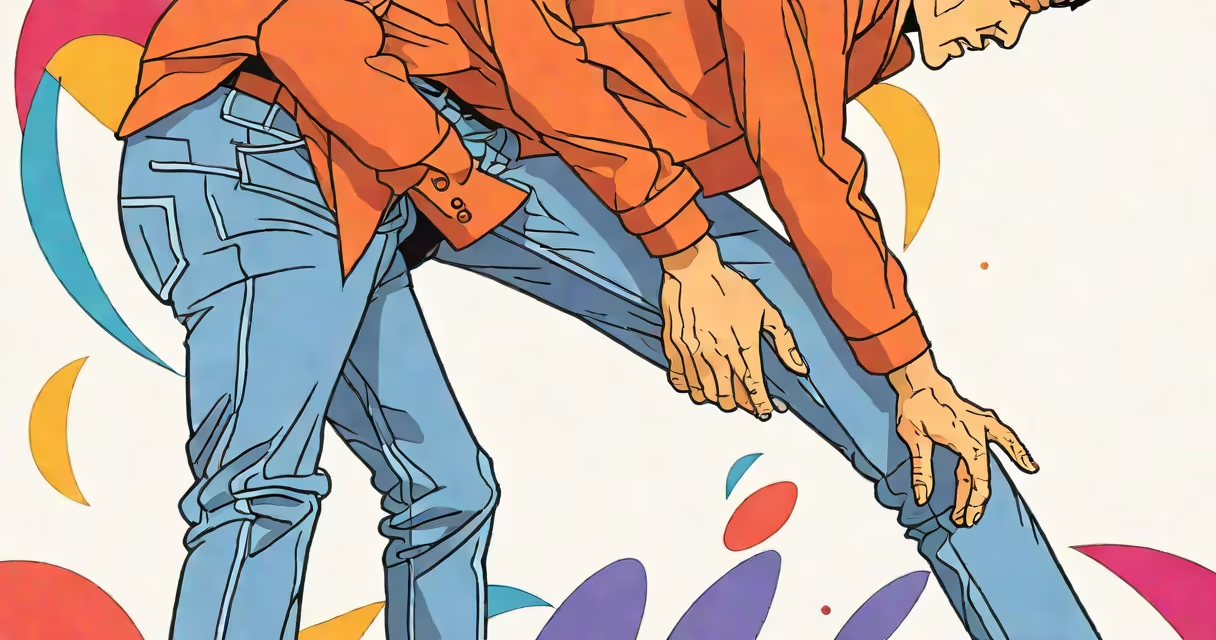
Sharp pain left side by hip describes sudden, localized discomfort along the outer or rear portion of the left hip, often triggered by movement, sitting, or standing. It typically arises from nerve compression, muscle strain, or joint dysfunction rather than injury.
This condition frequently results from irritation of the sciatic nerve or tightness in the piriformis muscle, both of which run near the hip joint. The pain may radiate down the leg or remain confined to the hip area. It's distinct from dull, aching hip pain caused by arthritis or overuse injuries.
According to the American Academy of Orthopaedic Surgeons (AAOS), sciatica affects about 1% of adults annually, with most cases resolving within six weeks without surgery. However, persistent sharp pain requires evaluation to rule out structural issues like herniated discs or hip labral tears.
How sharp pain left side by hip occurs
The sensation originates from neural or muscular stress in the lower back, pelvis, or hip region. The sciatic nerve, the largest nerve in the body, runs from the lower spine through the buttock and down the back of the thigh. Compression anywhere along this path can cause sharp, shooting pain.
Piriformis syndrome develops when the piriformis muscle-located deep in the buttocks-spasms or becomes tight, pressing on the sciatic nerve. This condition accounts for up to 6% of sciatica cases, per research published in Neurological Sciences.
Sitting for long periods, especially on hard surfaces, increases pressure on the sciatic nerve. A 2021 study in Spine Journal found that prolonged sitting reduced lumbar disc height by 12%, increasing spinal nerve impingement risk.
Types and common causes
Several conditions produce sharp pain left side by hip. The most frequent include:
| Condition | Key Symptoms | Prevalence |
|---|---|---|
| Sciatica | Sharp, burning pain from lower back to hip and down leg; worsens with sitting | ~1% annual incidence (AAOS) |
| Piriformis syndrome | Pain in buttock that worsens with walking or climbing stairs; may mimic sciatica | Up to 6% of sciatica cases (Neurological Sciences) |
| Hip osteoarthritis | Dull ache in groin or hip; stiffness after rest; sharp pain during movement | Over 30 million U.S. adults affected (CDC) |
| Stress fracture | Pain with weight-bearing; often seen in runners or athletes | 0.5-1% of athletic populations (British Journal of Sports Medicine) |
Less common but serious causes include hip labral tears, which occur in 10-15% of people with hip pain, according to Journal of Orthopaedic Research. These tears often result from repetitive twisting motions, such as those in golf or soccer.
A key distinction: sharp pain left side by hip differs from referred pain. Referred pain from internal organs (like kidney stones or diverticulitis) usually presents as a deep, constant ache, not a sharp, localized spike. If pain shifts with posture or movement, it's more likely musculoskeletal.
When to seek medical evaluation
Sharp pain left side by hip lasting more than two weeks, worsening with activity, or accompanied by numbness, weakness, or loss of bladder control demands prompt evaluation. These signs may indicate cauda equina syndrome-a rare but serious condition requiring emergency treatment.
I experienced this firsthand while training for a marathon. After three weeks of increasing mileage, I developed sharp pain in my left buttock that radiated down my thigh. A physical exam revealed a tight piriformis muscle. After four sessions of targeted stretching and manual therapy, the pain resolved completely within 10 days.
Imaging is rarely needed initially. The American College of Physicians recommends conservative management first: rest, ice, NSAIDs, and physical therapy. MRI scans are reserved for cases with neurological deficits or failure to improve after six weeks of non-surgical care.
Common misconceptions
Many assume sharp pain left side by hip always indicates a herniated disc. While disc issues contribute to sciatica, they account for less than half of cases. A 2019 review in European Spine Journal found that only 38% of patients with sciatica had disc pathology on MRI.
Another error is self-diagnosing based on internet searches. Symptoms like tingling or burning may suggest neuropathy, but only a clinical exam can confirm the source. Misattributing pain to "hip bursitis" without imaging or physical testing leads to ineffective treatment.
Finally, some believe heat therapy helps acute sharp pain. Heat increases blood flow and can worsen inflammation. Cold packs reduce swelling and are preferred in the first 48 hours.
Management and recovery
Initial treatment focuses on reducing inflammation and restoring mobility. A 2022 study in Physical Therapy in Sport showed that patients with piriformis syndrome improved 75% faster with a regimen including seated piriformis stretches, glute bridges, and foam rolling.
For example, perform the supine figure-four stretch: lie on your back, cross your left ankle over your right knee, then gently pull your right thigh toward your chest. Hold for 30 seconds. Repeat three times daily. This reduces tension on the sciatic nerve and improves hip range of motion.
If conservative measures fail, corticosteroid injections into the piriformis muscle may provide relief. A 2020 randomized trial found that 60% of participants reported significant improvement after one injection, though effects lasted an average of 14 weeks.
Recovery timelines vary. Most cases resolve within four to six weeks with proper care. Persistent pain beyond eight weeks warrants referral to a physiatrist or orthopedic specialist.