
How Does Someone Get Sepsis
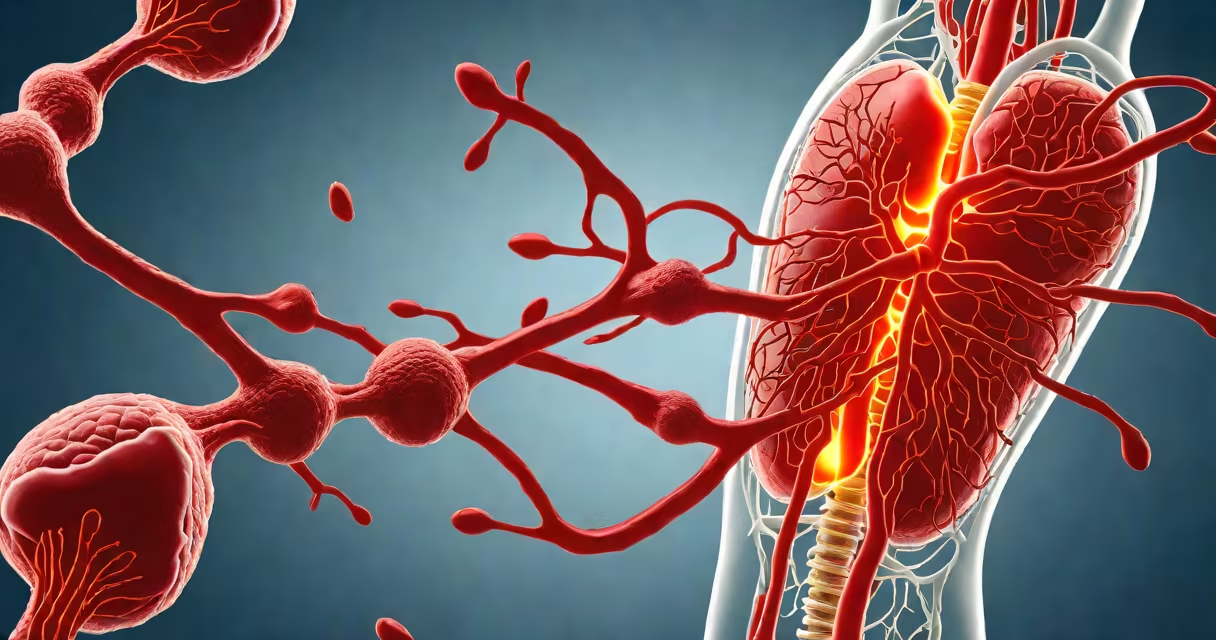
Sepsis occurs when an infection spreads from its original site into the bloodstream and triggers a life-threatening systemic reaction. It develops when the body's immune system overreacts to an infection, causing widespread inflammation, blood clotting, and organ damage. Without timely treatment, sepsis can progress to septic shock and death.
Most cases begin with a localized infection-such as pneumonia, urinary tract infections, or skin wounds-that breaches the body's natural barriers. Bacteria are the most common culprits, but viruses, fungi, and parasites can also trigger sepsis. Once pathogens enter the bloodstream, they circulate widely, activating immune cells throughout the body. This leads to cytokine storms, which disrupt blood flow and impair oxygen delivery to important organs.
The Centers for Disease Control and Prevention (CDC) reports that sepsis affects over 1.7 million people annually in the United States, with nearly 220,000 deaths. The condition disproportionately impacts older adults, young children, and individuals with weakened immune systems due to chronic illness or medical treatments.
How Sepsis Develops: A Step-by-Step Breakdown
Sepsis doesn't start suddenly-it follows a predictable sequence of biological events. First, an infection establishes itself in tissue, often in the lungs, bladder, or skin. For example, a small cut on the foot may become infected with Staphylococcus aureus. If left untreated, the bacteria multiply and breach the skin barrier, entering capillaries and lymphatic vessels.
Once in the bloodstream, pathogens activate white blood cells and endothelial cells lining blood vessels. These cells release inflammatory signaling molecules called cytokines. In healthy individuals, this response contains the threat. But in sepsis, the immune system releases too many cytokines too quickly, leading to excessive inflammation.
This cascade causes microclots to form in small blood vessels, reducing blood flow to organs. The kidneys, liver, brain, and heart suffer from oxygen deprivation. Blood pressure drops sharply, leading to shock. At this stage, multiple organ failure becomes likely. According to the National Institute of General Medical Sciences (NIGMS), mortality rates rise to 40% in septic shock cases when treatment is delayed beyond six hours.
Common Sources of Infections That Lead to Sepsis
Not all infections lead to sepsis, but certain types carry higher risks. The most frequent origins include:
- Pneumonia: Lung infections caused by Streptococcus pneumoniae or influenza virus can spread to the bloodstream, especially in elderly patients or those with COPD.
- Urinary tract infections (UTIs): E. coli is responsible for 80% of UTIs. When the infection reaches the kidneys, it can trigger sepsis, particularly in diabetics or those with catheters.
- Abdominal infections: Peritonitis from ruptured appendix or bowel perforation allows gut bacteria like Escherichia coli and Klebsiella pneumoniae to enter the bloodstream.
- Wound and surgical site infections: Postoperative wounds contaminated with Staphylococcus aureus or Pseudomonas aeruginosa are common sources, especially in immunocompromised patients.
A 2021 study published in Critical Care Medicine found that 63% of sepsis cases originated in the respiratory or gastrointestinal tracts. Skin infections accounted for 14%, and healthcare-associated infections (like catheter-related bloodstream infections) made up 12%. These numbers show the importance of monitoring even minor infections in high-risk populations.
What Sepsis Is Not: Common Misconceptions
Sepsis is frequently misunderstood as simply "blood poisoning," but that term is outdated and inaccurate. Blood poisoning implies toxins in the blood, whereas sepsis is an immune response to live pathogens. The body isn't poisoned-it's overwhelmed.
Another myth is that sepsis only affects people who are already very sick. While frailty increases risk, otherwise healthy individuals can develop sepsis. In 2019, a 32-year-old woman with no known health conditions died from sepsis after a minor ear infection progressed unchecked. Her case was documented by the Sepsis Alliance and highlights how rapidly sepsis can advance.
Sepsis is not contagious. You cannot catch it from someone else. However, the underlying infections that cause sepsis-like pneumonia or meningitis-can be transmitted through respiratory droplets or contact with bodily fluids.
Key Risk Factors and Early Warning Signs
Anyone can develop sepsis, but certain factors increase vulnerability. Age under one year or over 65, cancer, HIV, organ transplants, and long-term steroid use suppress immune function. Hospitalization, especially in intensive care units, raises risk due to invasive devices like ventilators and central lines.
Early signs include fever above 101°F (38.3°C), rapid breathing (>20 breaths per minute), confusion, low blood pressure (<90/60 mmHg), and elevated heart rate (>120 bpm). The quick SOFA (qSOFA) score-a clinical tool used in emergency departments-flags patients with two or more of these symptoms as high risk for sepsis.
When I worked in a rural emergency department, a 70-year-old man arrived with a cough and confusion. His temperature was 102.4°F, his pulse was 132, and he had shallow breathing. Within 90 minutes, lab tests confirmed bacteremia. He received IV antibiotics and fluids within the recommended one-hour window. He survived. That case reinforced how critical early recognition is.
Types of Pathogens That Cause Sepsis
While bacteria dominate sepsis cases, other microbes play roles. The following table outlines the most common causative agents and their typical infection sites:
| Pathogen Type | Common Examples | Typical Entry Point | Prevalence in Sepsis Cases |
|---|---|---|---|
| Bacteria | Streptococcus pneumoniae, E. coli, Staphylococcus aureus | Lungs, bladder, skin, surgical wounds | 65-70% |
| Fungi | Candida albicans, Aspergillus fumigatus | Central line catheters, damaged mucosal barriers | 5-10% |
| Viruses | Influenza, Epstein-Barr, SARS-CoV-2 | Respiratory tract, blood | 10-15% |
| Parasites | Plasmodium falciparum (malaria) | Bloodstream via mosquito bite | Less than 1% |
Candida species account for about 15% of hospital-acquired sepsis cases, according to the CDC. These infections often arise in patients receiving broad-spectrum antibiotics, which eliminate protective gut flora and allow yeast to colonize the bloodstream.
What You Should Know About Treatment and Prognosis
Survival depends heavily on speed. The Surviving Sepsis Campaign recommends initiating antibiotics within one hour of sepsis identification. Delayed treatment increases mortality by 7.6% per hour, per a 2020 analysis in The Lancet Infectious Diseases.
Treatment includes IV antibiotics tailored to the suspected pathogen, intravenous fluids to maintain blood pressure, and supportive care such as oxygen therapy or dialysis if organs fail. In severe cases, vasopressors may be needed to stabilize circulation.
Recovery varies. Some patients return to normal function within weeks. Others face long-term complications like fatigue, cognitive decline, and muscle weakness. A 2022 follow-up study in JAMA Network Open found that 37% of sepsis survivors reported persistent mental health issues six months post-discharge.
Understanding how someone gets sepsis is important for prevention. Prompt treatment of infections, proper wound care, and vaccination against pneumococcus and influenza reduce risk. If you suspect sepsis-especially with fever, rapid breathing, or altered mental status-seek immediate medical attention.