
What Is Commodity Trading
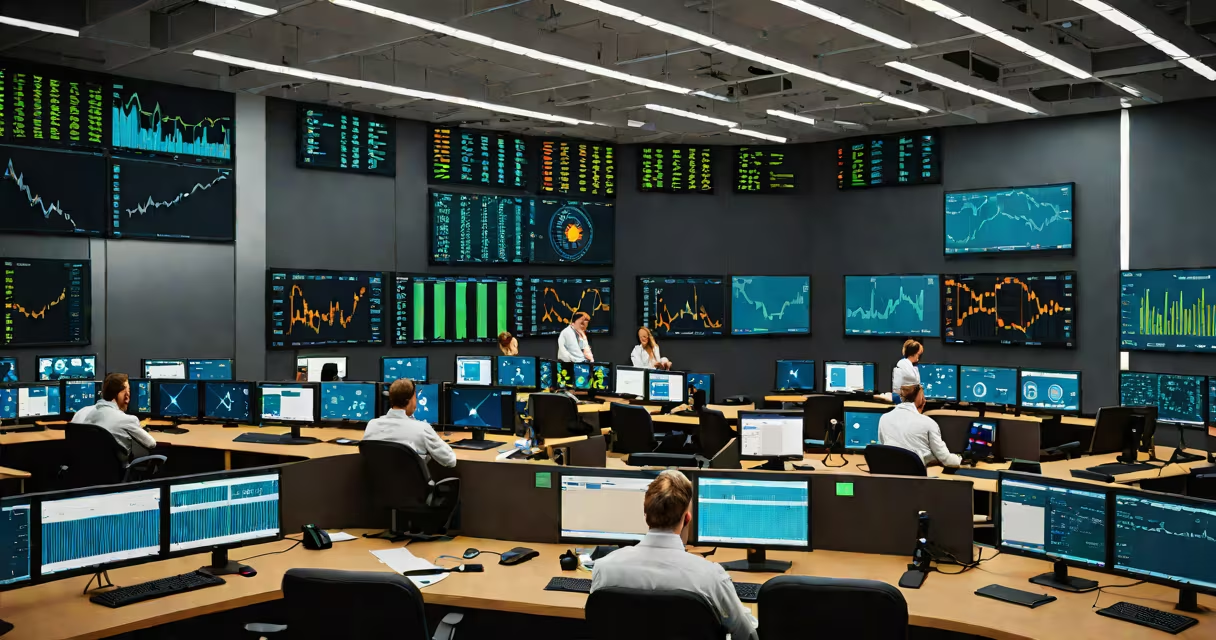
Commodity trading is the buying and selling of raw materials-such as crude oil, gold, wheat, and natural gas-either for immediate delivery (spot markets) or at a future date via standardized contracts (futures markets). Traders use these instruments to hedge against price changes or speculate on market movements.
Physical commodities are essential inputs for manufacturing, energy, and food production. Their prices fluctuate based on supply, demand, weather, geopolitical events, and economic policies. Commodity trading allows participants to manage exposure to these fluctuations or profit from them.
Major exchanges like the Chicago Mercantile Exchange (CME) and Intercontinental Exchange (ICE) standardize contracts for trading. These contracts define quantity, quality, delivery location, and settlement method. The process operates globally, with London, New York, and Singapore serving as key hubs.
How Commodity Trading Works
Trading happens in two primary forms: spot markets and derivatives markets. In spot markets, goods are exchanged for cash within days of agreement. For example, a farmer may sell 5,000 bushels of corn at $6.20 per bushel for delivery in five days. The transaction settles quickly, and ownership transfers immediately.
Futures markets involve contracts to buy or sell a specific amount of a commodity at a set price on a future date. A bakery might enter a contract to buy 10,000 pounds of wheat at $7.50 per bushel in three months. If wheat prices rise to $8.20, the bakery profits from locking in the lower rate. If prices fall, it pays more than current market rates-but avoids uncertainty.
These contracts trade on regulated exchanges. Daily mark-to-market adjustments ensure both parties meet margin requirements. Failure to maintain margins triggers a margin call, requiring additional funds to cover losses.
Types of Commodities and Markets
Commodities fall into four broad categories: energy, metals, agricultural products, and livestock. Energy includes crude oil, natural gas, and gasoline. Precious metals like gold and silver are traded for investment and industrial purposes. Agricultural commodities include corn, soybeans, coffee, and sugar. Livestock covers cattle and hogs.
| Type | Examples | Primary Market | Key Influences |
|---|---|---|---|
| Energy | Crude oil, natural gas, heating oil | CME, ICE | Geopolitical tensions, OPEC decisions, weather patterns |
| Metal | Gold, silver, copper | COMEX, LME | Inflation, central bank policy, industrial demand |
| Agricultural | Wheat, corn, soybeans, coffee | CBOT, Euronext | Weather, harvest yields, export bans |
| Livestock | Cattle, hogs | Chicago Mercantile Exchange | Disease outbreaks, feed costs, seasonal demand |
Derivatives such as options and swaps allow traders to take positions without owning the underlying asset. An option gives the right, but not the obligation, to buy or sell at a set price. Swaps exchange cash flows based on commodity price changes.
Why People Trade Commodities
Producers and consumers use commodity trading to hedge against price volatility. A coffee roaster might buy futures contracts to lock in bean prices for the next year. This protects against rising costs due to droughts or political instability in Brazil or Colombia.
Investors trade commodities for diversification. Unlike stocks, commodity prices often move independently of equities. During inflation, gold tends to rise while bonds fall. According to the World Bank, gold prices increased 12% in 2022 amid rising interest rates and global uncertainty.
Speculators aim to profit from short-term price swings. They analyze macroeconomic indicators, supply chain disruptions, and technical charts. A trader might go long on crude oil futures if data shows declining U.S. inventories and rising refinery demand. If prices rise, they close the position for a gain.
Common Misconceptions and Clarifications
Many assume commodity trading is only for large institutions. While banks and hedge funds dominate volume, retail traders access markets through brokers offering leveraged accounts. Platforms like Interactive Brokers and TD Ameritrade provide access to futures and ETFs tied to commodities.
Another misconception is that commodities always rise during inflation. While gold often acts as a store of value, other commodities like oil can spike due to supply shocks. In 2022, oil prices surged past $120 per barrel after Russia's invasion of Ukraine disrupted exports. Yet, high oil prices hurt consumer spending and contributed to recession fears.
Not all commodity trades result in physical delivery. Over 90% of futures contracts are closed out before expiration. Traders settle gains or losses in cash rather than receiving barrels of oil or tons of wheat. The CME Group reports that only about 1% of crude oil futures contracts lead to actual delivery.
Real-World Example: A Farmer's Hedging Strategy
In September 2023, a Midwestern corn farmer expected to harvest 50,000 bushels in November. Current market prices were $5.20 per bushel. To protect against a potential drop in value, he sold 10 December corn futures contracts at $5.35 per bushel.
By November, corn prices had fallen to $4.80 per bushel. The farmer delivered his crop at the lower market rate. However, his futures position gained $0.55 per bushel ($5.35 - $4.80), totaling $27,500 in profit. After accounting for transaction fees, he netted a $25,000 gain on the futures side, offsetting part of the loss in the physical sale.
This strategy protected his income despite falling prices. Without hedging, his revenue would have dropped by $210,000. The trade illustrates how commodity futures serve as insurance against adverse price movements.
Personal Experience and Practical Insight
I once observed a small grain elevator in Iowa where farmers gathered monthly to discuss local harvest estimates and futures pricing. One farmer explained how he'd lost money in 2018 by ignoring futures signals. He waited until harvest to sell, only to find prices collapsed after a record yield. Since then, he uses a simple rule: sell 30% of projected output in the spring using nearby futures contracts.
That practice stabilized his income. In 2022, even with a 15% drop in corn prices, his net return remained flat. He didn't predict the market-he simply reduced exposure to surprise drops.
Key Distinctions You Should Know
Commodity trading is not the same as stock trading. Stocks represent ownership in companies. Commodities are physical assets or their derivatives. A company's earnings affect stock prices. Weather, supply chains, and central bank policy affect commodities.
Also, not all commodity-related investments are direct. Exchange-traded funds (ETFs) like SPDR Gold Shares (GLD) track commodity prices without requiring futures contracts. These are accessible to individual investors and trade like stocks.
Finally, commodity trading doesn't require physical storage. Most traders never see the product. A trader who buys a December crude oil futures contract doesn't need a tanker. Settlement occurs in cash based on the difference between the contract price and the final market price.
Understanding what is commodity trading begins with recognizing it as a mechanism for managing risk and capturing returns in a volatile global economy. It serves industries, governments, and individuals alike. a portfolio manager adjusting for inflation, the tools exist to act with clarity.