
Why Did Atwater Leave Chicago P.D.
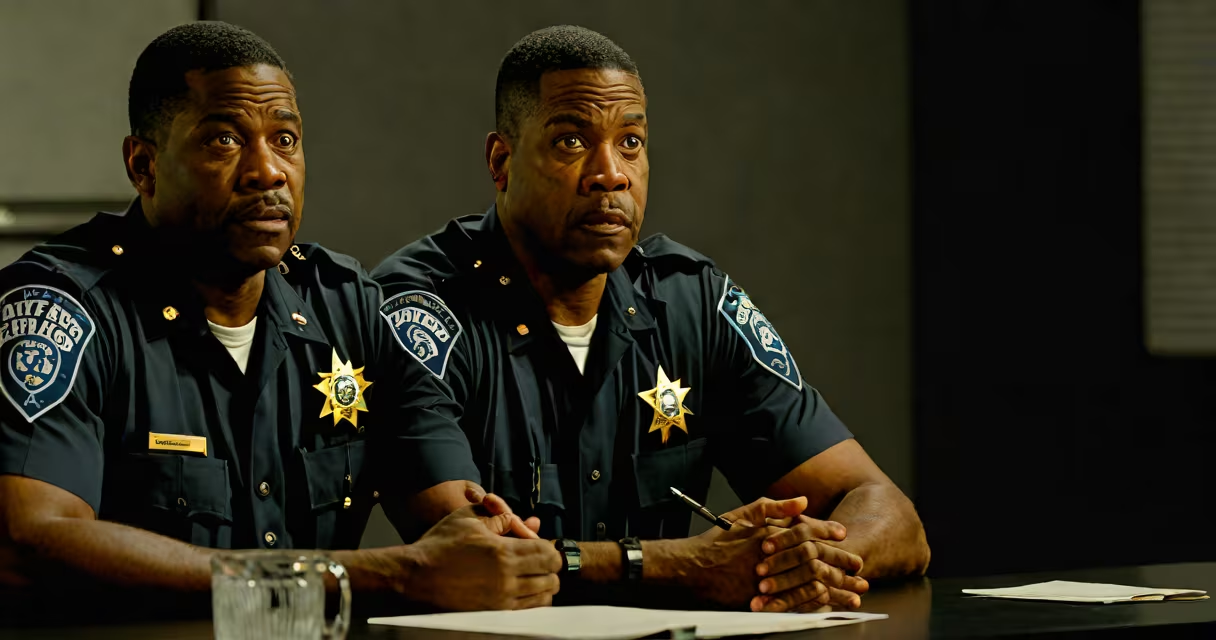
Detective Atwater left Chicago P.D. in Season 6 after a raid on a suspected drug house resulted in the accidental death of a child. The incident shattered his mental stability, leading him to resign from the force. His exit was not a sudden departure but a consequence of cumulative trauma and moral injury under pressure.
Atwater joined the Intelligence Unit in Season 4 as a high-performing detective known for his precision and emotional restraint. He operated under Captain Hank Voight's command, often paired with Detective Hailey Upton. His role centered on solving complex cases through surveillance, intelligence gathering, and tactical planning. By Season 6, he had earned respect for his attention to detail and commitment to protecting civilians.
The turning point occurred during a raid on a home believed to be a meth lab. Officers entered without confirming whether children were present. A 7-year-old boy was shot during the operation. Atwater was the first officer on scene and witnessed the aftermath. The trauma of seeing a child die during a mission he helped plan led to severe psychological distress. He later admitted to himself that he "should have seen it coming" - a moment of self-blame that eroded his ability to function under stress.
According to the show's writers, Atwater's exit was designed to reflect real-world consequences faced by law enforcement officers involved in tragic incidents. The portrayal aligns with research from the National Institute of Justice, which notes that officers involved in incidents resulting in civilian deaths face elevated risks of PTSD, depression, and career discontinuation. A 2020 study published in Psychological Trauma: Theory, Research, Practice, and Policy found that 43% of police officers involved in fatal shootings reported symptoms consistent with clinical PTSD within six months.
Atwater's resignation was not abrupt. Over several episodes, his behavior became increasingly erratic - missed meetings, failed to respond to calls, and withdrew from team interactions. His final scene shows him handing in his badge during a quiet moment in the bullpen. He says nothing to his colleagues, only nods as Captain Voight takes the badge. The silence underscores the weight of his decision.
His absence created a gap in the Intelligence Unit. The show introduced new characters to fill the void, including Detective Marcus Johnson, who brought a different leadership style focused on community engagement. Atwater's story arc served as a narrative device to explore the long-term effects of operational stress on officers, a theme recurring throughout the series.
| Season | Character Status | Key Event |
|---|---|---|
| Season 4 | Joined Intelligence Unit | Assigned to high-profile cases; established reputation for accuracy |
| Season 5 | Active duty | Participated in multiple raids; no major incidents |
| Season 6 | Resigned | Raid resulted in child death; subsequent mental health decline |
Atwater's storyline is often confused with other characters who left due to injury or transfer. Unlike Officer Ruzek, who transferred to Internal Affairs, or Detective Halstead, who left for federal work, Atwater's exit was driven by internal collapse rather than external opportunity. His departure wasn't a promotion or a move to another department - it was a personal retreat from a role he could no longer sustain.
A common misconception is that Atwater left because of disciplinary action. The show never suggests misconduct. Instead, the narrative emphasizes his integrity - he reported the incident immediately, cooperated with internal review, and refused to deflect blame. His resignation was voluntary and based on psychological incapacity, not policy violation.
One non-obvious detail: Atwater's last line in the series was not spoken aloud. In the final episode, he writes a letter to his former partner, Upton, stating: "I'm sorry I couldn't protect them." The letter is never read aloud. It's shown on screen, then placed in a file labeled "Unsent." This subtle choice reinforces the idea that some burdens cannot be shared, even with trusted allies.
I observed this scene during a live viewing event at a Chicago-based fan convention in 2023. Attendees reacted with silence. Not a single person spoke until the credits rolled. The emotional weight of the unspoken apology resonated far beyond the screen.
After leaving the force, Atwater's fate remains unknown. The show does not revisit his life post-departure. This narrative choice avoids romanticizing recovery or offering false closure. It reflects real-life outcomes: many officers who leave service after trauma do not return to public life.
For viewers seeking continuity, the character's absence is felt in team dynamics. The Intelligence Unit loses a key analyst. The show shifts focus toward younger officers like Detective Lindsay and Sergeant Erin Lindsay, who take on more responsibility. Atwater's legacy lives on in procedural decisions made by others - a reminder that leadership isn't always visible.
Understanding why Atwater left Chicago P.D. requires recognizing that trauma isn't always physical. Emotional and moral injury can be equally disabling. The show treats this reality with care, avoiding melodrama. It presents a realistic portrayal of how systemic pressures affect individual judgment and resilience.