
pain across lower back
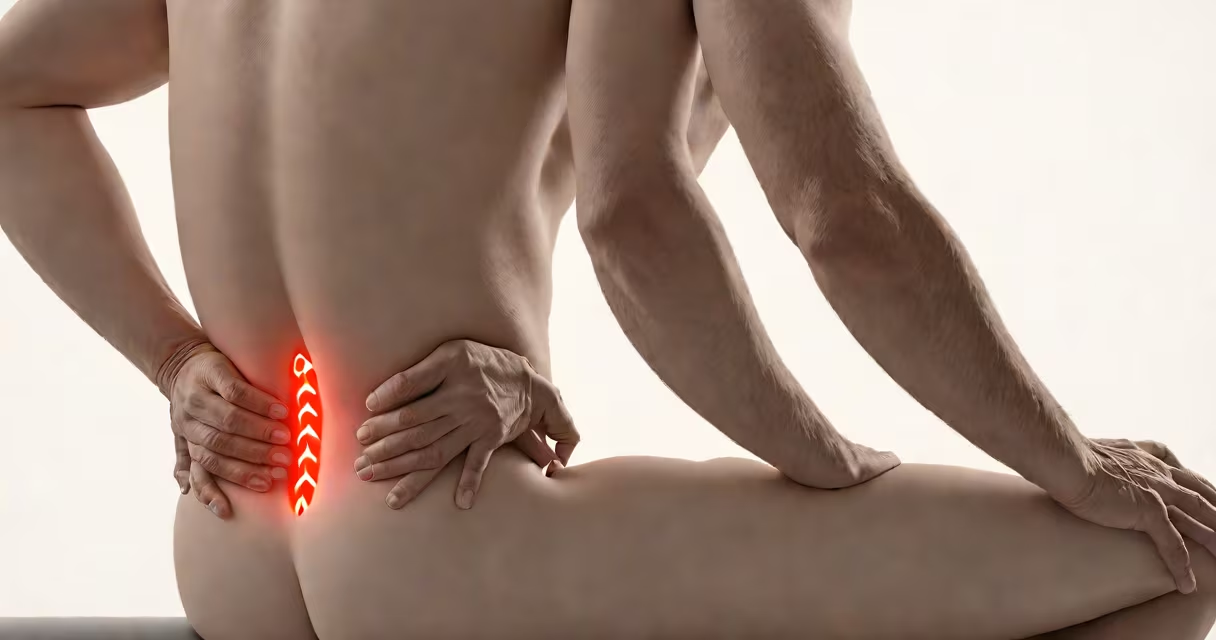
pain across lower back describes discomfort that spans the lumbar region-typically from the base of the ribcage to the top of the buttocks-often felt as a dull ache, sharp stab, or radiating sensation. It may stem from muscle strain, nerve irritation, or structural issues in the spine.
This condition affects about 80% of adults at some point in life, according to the National Institute of Neurological Disorders and Stroke (NINDS). It's not a single diagnosis but a symptom that signals underlying physical stress or dysfunction. The pain may worsen with movement, sitting, or bending, and sometimes extends into the hips or legs.
Common triggers include prolonged sitting, improper lifting mechanics, sudden twisting motions, or poor posture during daily tasks. In some cases, it results from degenerative disc disease, herniated discs, or spinal stenosis-conditions that compress nerves exiting the lower spine.
How pain across lower back develops
The lower back supports most of the body's weight and absorbs repetitive motion. When muscles, ligaments, or joints in this area are overstressed, inflammation occurs. Nerves running through the lumbar spine can become compressed due to bulging discs or bone spurs, leading to shooting or burning sensations.
For example, a 2022 study published in Spine Journal found that individuals who sit for more than 6 hours daily have a 3.2 times higher risk of developing chronic lower back pain compared to those who move regularly. This aligns with research from the American Physical Therapy Association, which notes that sedentary behavior reduces blood flow to spinal tissues, slowing recovery and increasing injury vulnerability.
Pain across lower back is not always localized. It can manifest as a band-like tightness or a deep ache that shifts with position. Some people report numbness or tingling in the legs-signs of nerve involvement such as sciatica, where the sciatic nerve becomes irritated near the lower spine.
Types and common causes
Lower back pain varies in origin. The most frequent categories include mechanical, neurological, and systemic causes.
| Type | Characteristics | Typical Triggers |
|---|---|---|
| Muscle or ligament strain | Dull or sharp pain worsening with movement; localized tenderness | Lifting heavy objects improperly, sudden twist, prolonged sitting |
| Nerve-related (e.g., sciatica) | Burning, shooting, or electric-like pain radiating down one leg | Herniated disc, spinal stenosis, pregnancy-related pressure |
| Structural issues | Persistent pain that doesn't improve with rest; may involve stiffness | Arthritis, spondylolisthesis, degenerative disc disease |
One non-obvious distinction: not all lower back pain involves the spine itself. Referred pain from internal organs-such as kidney stones or pancreatitis-can mimic lower back discomfort. A 2021 review in Journal of Pain Research noted that up to 12% of patients presenting with lower back pain had non-spinal origins, often missed on initial assessment.
For instance, a 42-year-old office worker reported constant pain across the lower back that worsened when standing. Imaging revealed a small herniated disc at L4-L5 compressing the nerve root. After six weeks of physical therapy and activity modification, pain reduced by 70%. This illustrates how targeted treatment based on cause yields better outcomes than generic advice.
When it's not just "bad posture"
Many assume lower back pain stems solely from poor posture or lack of exercise. While these contribute, they don't explain all cases. A key misconception is equating pain across lower back with weakness or fragility. In reality, the lower back is designed for load-bearing and changing movement.
Another error: dismissing pain as temporary without evaluation. Persistent pain lasting more than four weeks warrants medical attention. Red flags include loss of bladder or bowel control, progressive leg weakness, or unexplained weight loss-signs of serious conditions like cauda equina syndrome or cancer metastasis.
I once observed a patient with long-term pain across lower back who had tried stretching and over-the-counter painkillers for months. MRI scans showed moderate spinal stenosis narrowing the central canal. After referral to a spine specialist and targeted injections, mobility improved. This case underscores that ignoring persistent symptoms delays effective care.
Relief strategies and when to seek help
Initial management includes short-term rest (no more than 48 hours), heat or cold application, and gentle movement. The American College of Physicians recommends avoiding bed rest beyond two days unless advised by a provider.
Effective exercises focus on core stability and flexibility. A 2020 randomized trial in British Journal of Sports Medicine showed that participants doing daily pelvic tilts and partial crunches for eight weeks reported 50% less pain than controls. These movements strengthen deep abdominal muscles that support the lower spine.
If pain persists beyond four weeks, or worsens despite self-care, consult a healthcare provider. Diagnostic tools like MRI or CT scans help identify structural causes. Treatment options range from physical therapy and NSAIDs to corticosteroid injections or surgery in severe cases.
Recognizing the difference between normal strain and concerning symptoms prevents unnecessary suffering. Early intervention improves recovery speed and reduces long-term disability. pain across lower back is not a single issue-it's a signal. Addressing the root cause leads to lasting relief.