
What is serratia
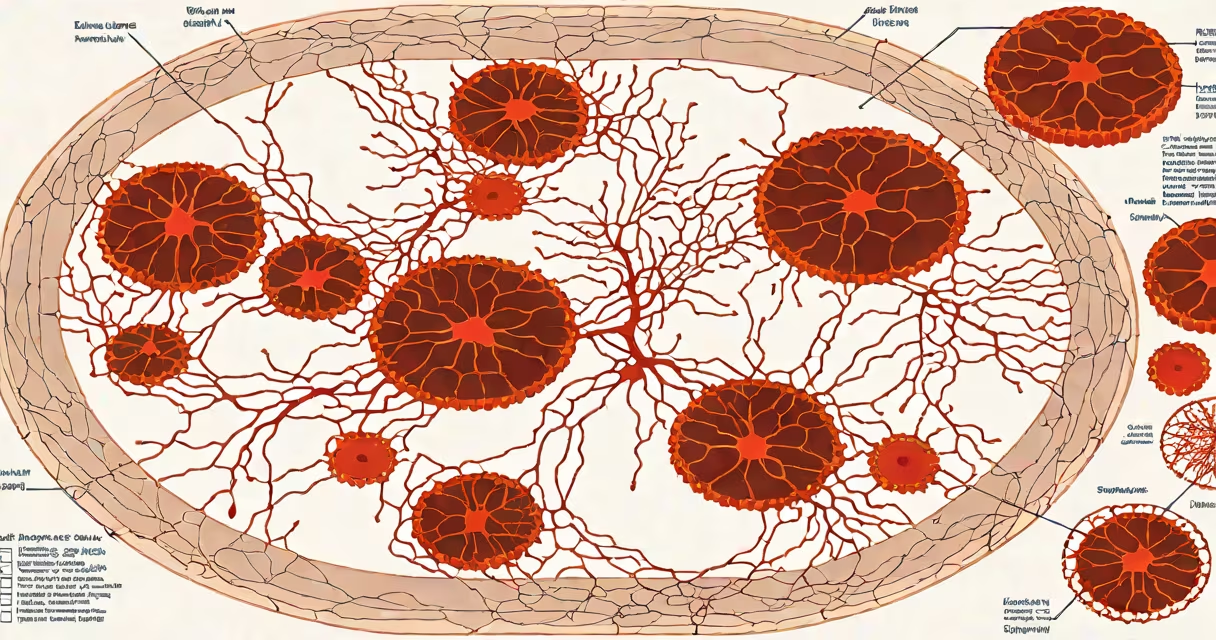
Serratia is a genus of Gram-negative, rod-shaped bacteria commonly found in soil, water, and the gastrointestinal tracts of humans and animals. Some species, particularly Serratia marcescens, cause opportunistic infections in healthcare settings, especially among hospitalized or immunocompromised individuals.
These bacteria are notable for their ability to produce a red pigment called prodigiosin, which gives colonies a distinctive pinkish-red color under standard lab conditions. This trait makes them easy to identify in clinical microbiology labs, though not all strains produce the pigment.
While most Serratia species are harmless in healthy people, they pose significant risks in medical environments. They are increasingly associated with multidrug-resistant infections, complicating treatment and increasing patient mortality rates.
How serratia works in the body
Serratia enters the human body through contaminated medical devices, such as catheters or ventilators, or via ingestion of tainted food or water. Once inside, it can colonize mucosal surfaces and invade tissues, especially in individuals with weakened immune systems.
The bacteria evade host defenses using several mechanisms. They produce enzymes like proteases and lipases that degrade host proteins and membranes. They also form biofilms on medical implants, shielding themselves from both antibiotics and immune cells.
A 2021 study published in Antimicrobial Agents and Chemotherapy found that Serratia marcescens isolates from ICU patients showed resistance to at least four classes of antibiotics, including fluoroquinolones and third-generation cephalosporins. This resistance profile limits treatment options.
Types and characteristics
There are over 20 recognized species within the Serratia genus, but only a few are clinically relevant. The most common pathogenic species include:
| Species | Common habitat | Associated infections | Resistance profile |
|---|---|---|---|
| Serratia marcescens | Soil, water, hospital surfaces | UTIs, pneumonia, wound infections, sepsis | High resistance to ampicillin, cefazolin; variable to carbapenems |
| Serratia liquefaciens | Human gut, environmental samples | Rarely pathogenic; occasional bloodstream infections | Moderate resistance to penicillins |
| Serratia fonticola | Water sources, hospital plumbing | Emerging cause of catheter-associated UTIs | Resistant to multiple beta-lactams |
Among these, Serratia marcescens is the most frequently isolated from clinical specimens. It thrives in moist environments, making sinks, drains, and humidifiers in hospitals ideal breeding grounds.
One non-obvious fact: Serratia marcescens was historically used in early microbiology teaching labs due to its vivid red pigment. Its presence in student experiments led to accidental contamination of hospital rooms during the 1960s and 1970s, contributing to outbreaks of nosocomial infections.
Where and why serratia is used in medicine and research
Despite its role as a pathogen, Serratia is used in controlled laboratory settings. Researchers study it to understand bacterial motility, biofilm formation, and antibiotic resistance mechanisms.
For example, Serratia marcescens is used in model systems to study quorum sensing-the process by which bacteria coordinate behavior based on population density. Its flagellar motility allows scientists to track movement patterns in response to chemical gradients.
In environmental microbiology, Serratia species are used to assess microbial contamination in water supplies. Their presence in drinking water systems triggers public health alerts due to their potential to cause illness.
Common misconceptions and confusions
Many people confuse serratia with other Gram-negative rods like Escherichia coli or Klebsiella pneumoniae. While all three can cause similar infections-such as urinary tract infections or sepsis-they differ in growth requirements and antibiotic susceptibility.
For instance, E. coli typically grows well on MacConkey agar with lactose fermentation (producing acid and yellow colonies), whereas Serratia marcescens ferments lactose weakly or not at all, resulting in colorless or pale colonies. This difference is critical in diagnostic labs.
Another misconception: Serratia is not airborne. It spreads primarily through direct contact with contaminated surfaces or medical equipment. A 2019 outbreak in a neonatal intensive care unit traced to contaminated hand sanitizer bottles demonstrated that transmission occurred via touch, not inhalation.
Real-world example: A hospital outbreak
In 2018, a U.S. hospital reported six cases of Serratia marcescens bloodstream infections over three weeks. All patients had central venous catheters inserted during surgery. Environmental swabs revealed high levels of Serratia on sink drains near patient rooms.
Investigation showed that staff were not following proper disinfection protocols between patient uses. After switching to a chlorhexidine-based cleaning solution and installing antimicrobial faucet covers, infection rates dropped to zero within 60 days.
This case illustrates that what appears to be a rare bacterial infection is often preventable through basic hygiene and infrastructure maintenance.
Final thoughts on what is serratia
What is serratia? It is a group of Gram-negative bacteria capable of causing serious infections, especially in vulnerable populations. While generally benign in nature, its presence in healthcare facilities demands strict monitoring and control.
Understanding serratia's behavior, resistance patterns, and transmission routes is essential for infection prevention teams and clinicians managing complex cases. Early detection and adherence to sterile techniques remain the most effective defenses against this resilient microorganism.